Newport’s folk audience had a definition of authenticity
In 1965, folk music was more than a sound. For many listeners, its acoustic instruments and unadorned performances signaled closeness to tradition and to the people whose songs artists carried forward. At the Newport Folk Festival, that expectation shaped what an audience thought a folk performer should be. Bob Dylan had become a defining figure in the scene, so his shift to an electric guitar felt to some fans like a challenge to the scene’s values—not just a change in volume.
An electric guitar changed the meaning of the performance
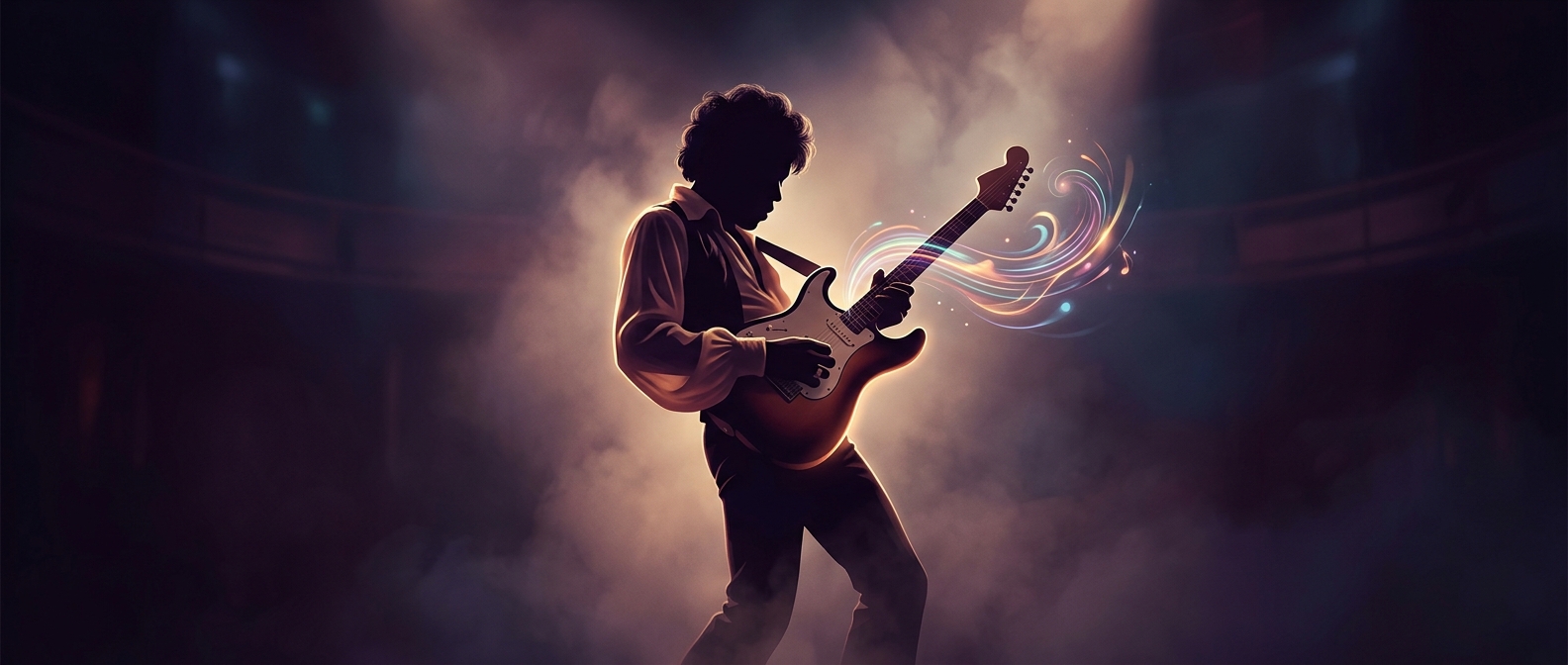
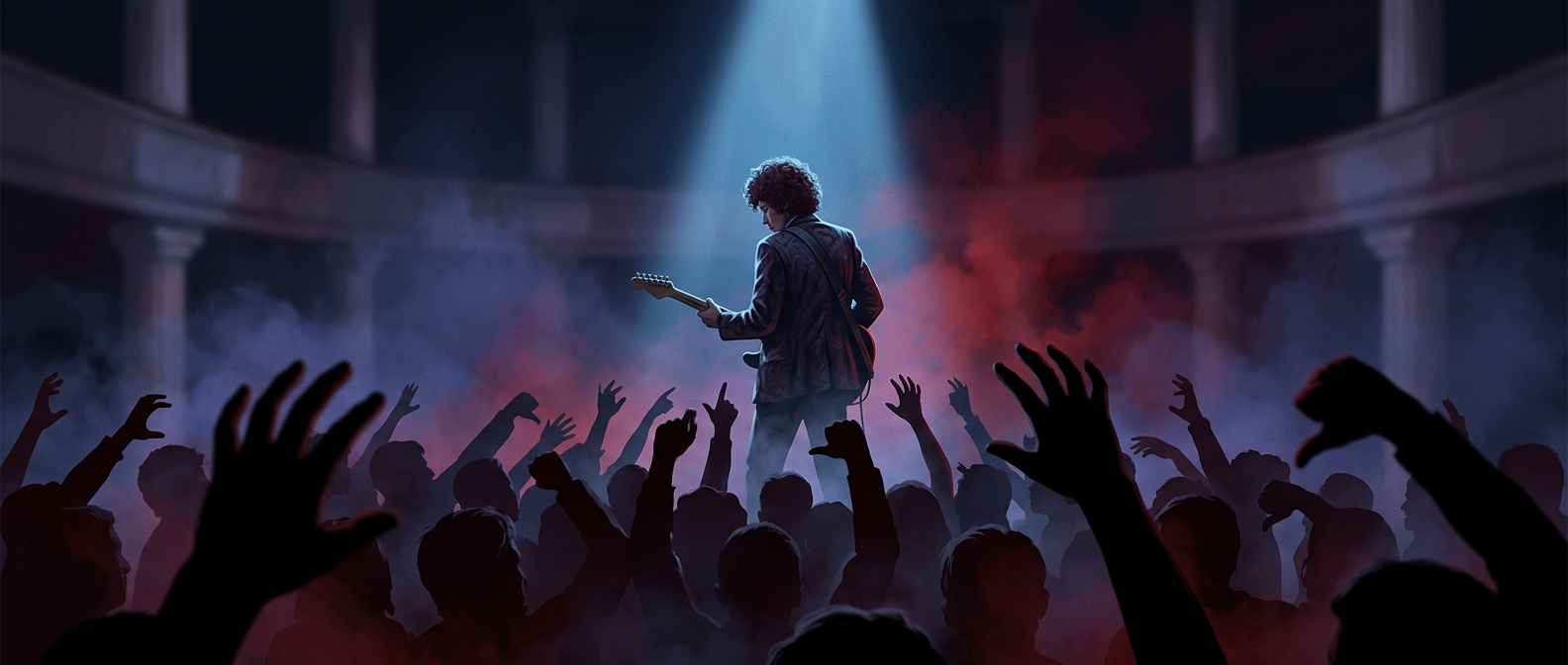
Dylan walked onstage with a Fender Stratocaster and played with an electric band. The amplified sound stood apart from the acoustic sets many festivalgoers expected. Some booed; others welcomed the change. Their response exposed a disagreement already built into folk music: Was the tradition something performers should preserve in a familiar form, or could they use new sounds to make it speak to the present?
That argument also involved the relationship between artist and audience. Fans who had embraced Dylan as a voice of folk protest could hear the electric performance as a departure from the intimate, communal style they associated with the music. For Dylan, however, changing his sound did not have to mean abandoning the songs’ concerns. The same message could be carried by instruments that made it sharper, louder, and more contemporary.
The boos became part of the story
The incident is often remembered as a clean break between acoustic folk and electric rock, but the audience was not of one mind, and the boos did not speak for everyone at Newport. What made the moment endure was that a single performance made a cultural dispute audible: whether tradition stays alive by guarding its boundaries or by letting artists cross them. At Newport, the electric guitar did more than alter the sound; it forced the audience to decide what, exactly, it believed folk music was.