A mismatch in sound—and audience
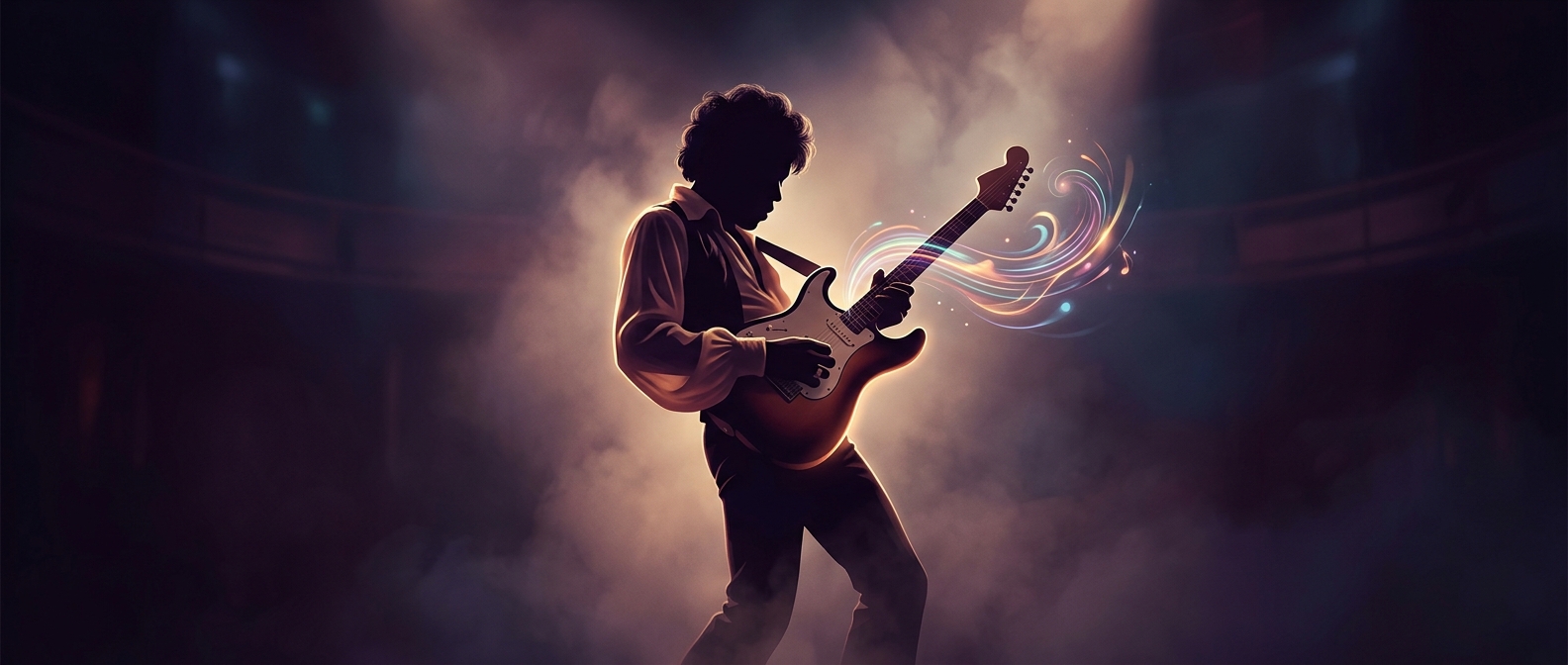
In the summer of 1967, Jimi Hendrix joined a short stretch of The Monkees’ U.S. concert tour as its opening act. The pairing put a guitarist known for turning amplifiers into part of the performance in front of crowds drawn largely by the Monkees’ television fame and catchy pop songs. For many young fans, Hendrix’s distorted guitar, feedback—the deliberate use of an amplifier’s high-pitched squeal—and sexually suggestive stage gestures were a startling change of pace.
The reaction was not simply that Hendrix played louder. His set challenged the expectations of a concert audience that had come to see a polished teen-pop act. Some fans booed, and he left the tour after only a handful of performances.
A brief, unlikely opening act
The tour’s lineup reflected a moment when pop boundaries were shifting quickly. Hendrix had made a strong impression in Britain and was building a reputation in the United States, while The Monkees were among the country’s most visible pop groups. Putting them together offered Hendrix access to large audiences, but an opening slot gave him little time to win over listeners who might not have chosen his music themselves.
The contrast made the arrangement memorable: the same performance style that could astonish rock fans could feel alien to a crowd expecting familiar songs and television-friendly charm. Hendrix was not merely warming up the audience; he was asking it to accept a different idea of what a pop concert could be.
The reaction became part of the story
Hendrix’s departure did not mean the tour had failed for The Monkees, or that the pairing changed their music. It showed how unevenly a new sound could land when it was placed before an audience with different expectations. For Hendrix, the brief stint remains an unusually vivid episode in his early American rise: one of rock’s most adventurous performers appeared before a crowd that, in many cases, had come for something else.