When a bad review became a matter of honor
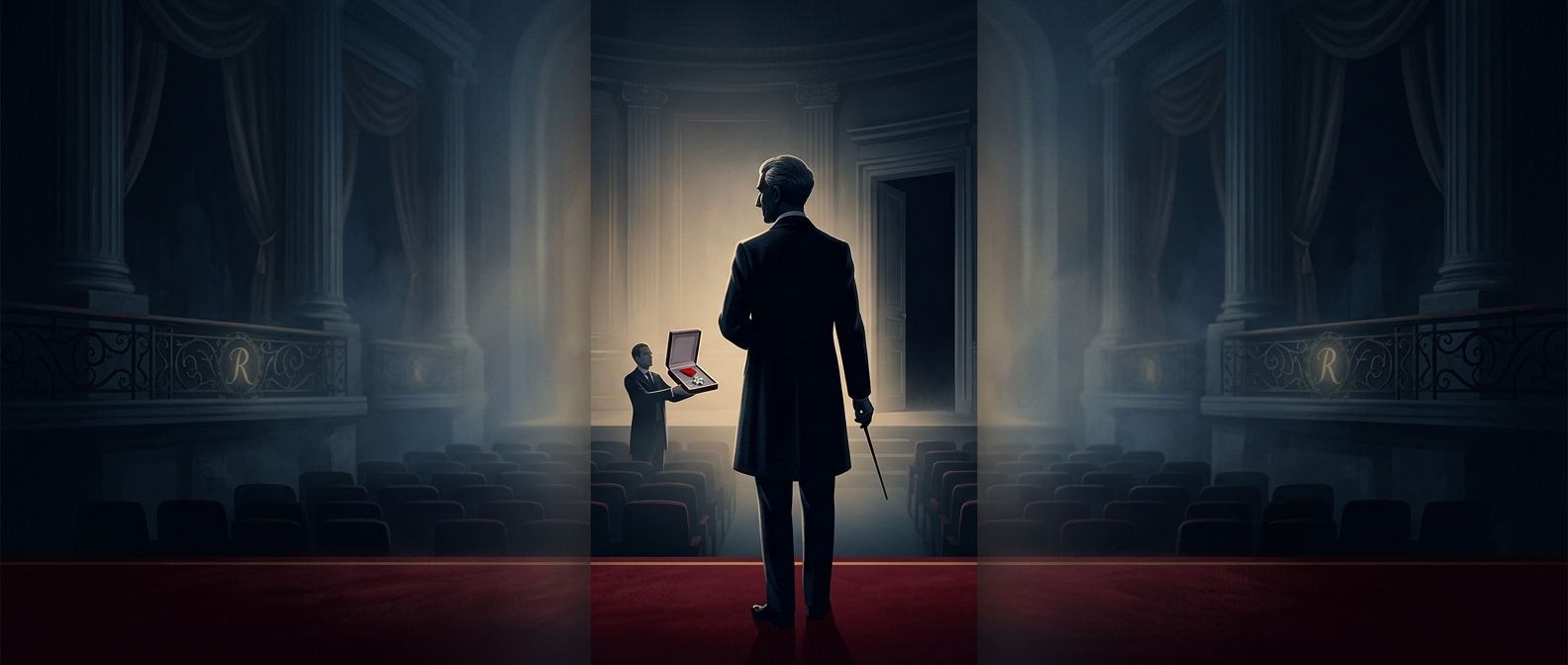
In nineteenth-century Europe, a public insult could be treated as an injury to a person’s honor, not merely an unpleasant opinion. That attitude reached the concert world, where a pianist’s reputation could shape invitations, audiences, and standing among fellow musicians. A sharply worded attack on someone’s playing or artistic character could therefore feel like a challenge beyond the page.
The ritual behind the swords
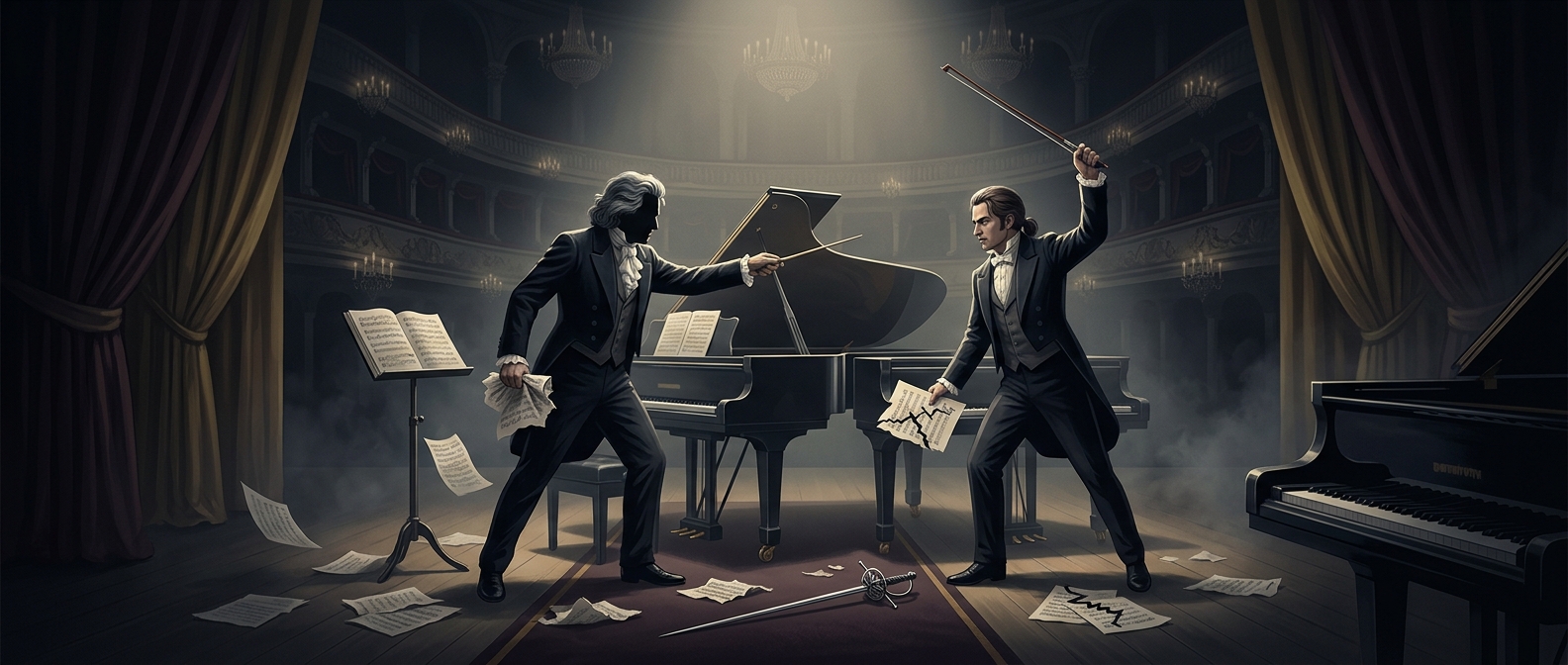
A duel was a formal, usually arranged confrontation meant to answer an affront according to codes of honor. In some disputes involving piano virtuosos, tempers moved from print or personal argument to a sword challenge. The point was not to settle whether one interpretation was musically correct; it was to respond to a perceived insult in a culture where refusing a challenge could itself be seen as dishonorable.
That distinction matters: a review did not automatically lead to a fight, and a duel was not a normal part of music criticism. It took a personal quarrel, an escalation, and a willingness to follow the conventions of the day. The unusualness is precisely what makes these episodes memorable: the debate over taste could become a test of reputation—and, at times, a physical risk.
Criticism with consequences
The episode reveals how closely artistic identity and public standing were linked. A critic’s words could do more than shape a listener’s opinion; they could be taken as a direct affront by the performer being judged. In that world, the distance between a review and a sword challenge was not a metaphorical one.