A Night Climb on the Capitoline Hill
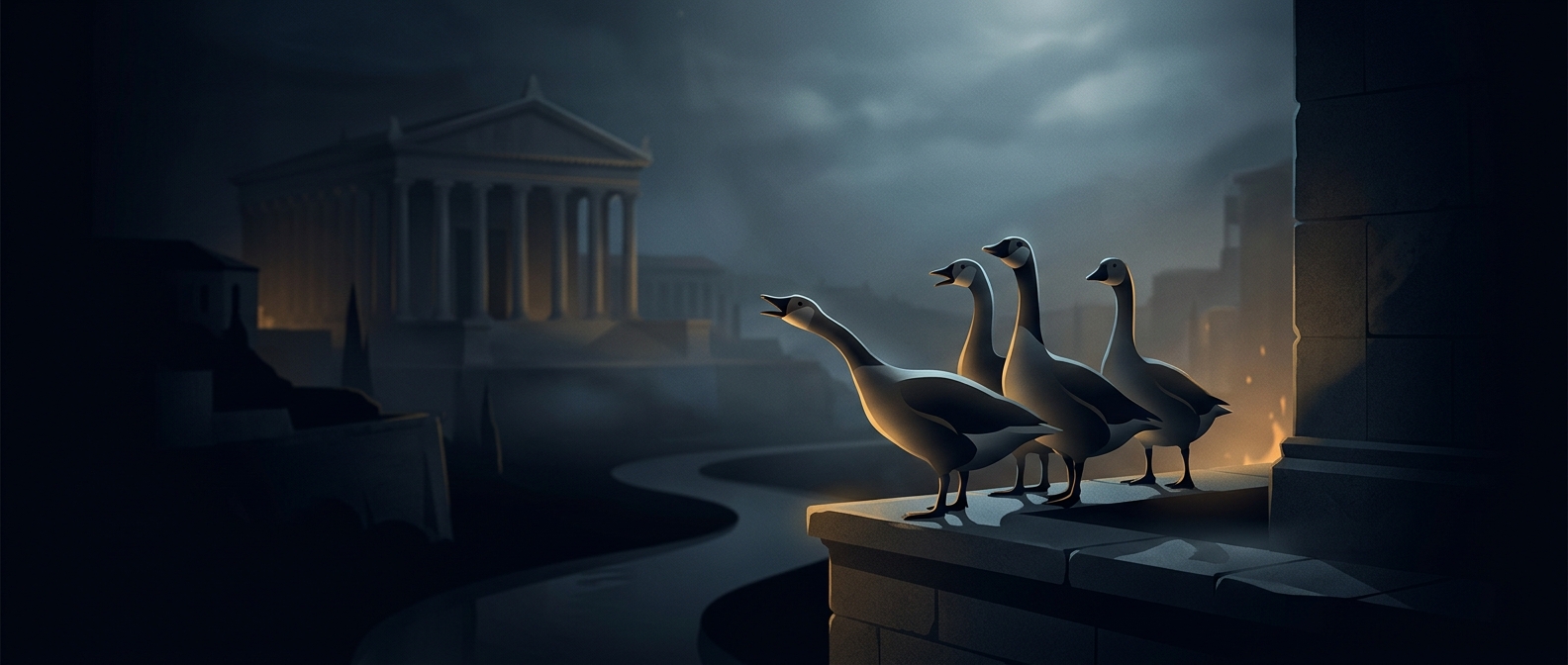
In the traditional Roman account, the geese sounded their alarm during the Gallic attack on Rome, usually dated to 390 BCE. The invaders had already taken much of the city; the Romans still holding out were concentrated on the Capitoline Hill, a steep, defensible rise above the center of Rome. At night, Gallic fighters tried to climb its rocky slope quietly, hoping to reach the defenders before anyone noticed.
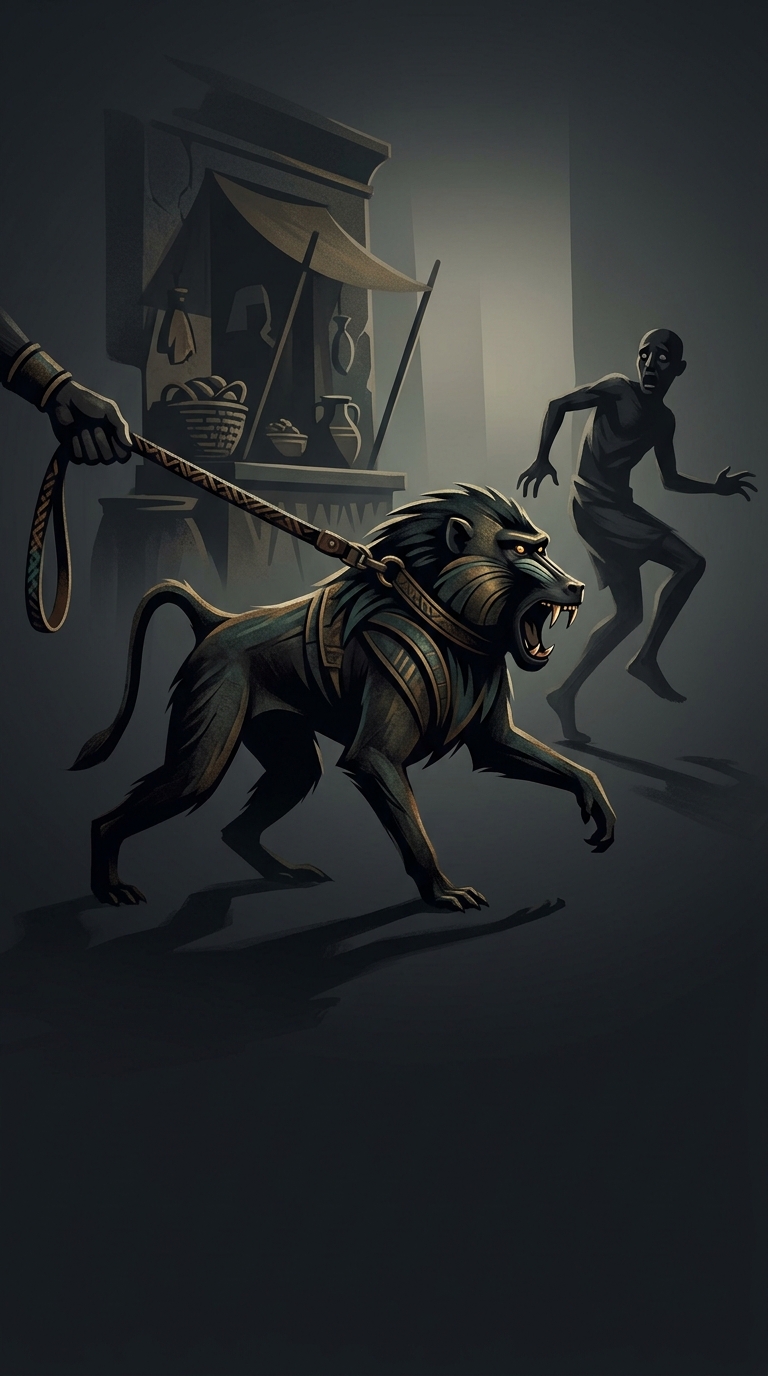
The guard dogs did not raise an alarm. The geese did. Their loud, sudden calls woke the Roman defenders, who rushed to the edge and drove the climbers back. The birds did not prevent Rome’s capture or end the conflict on their own. In the story, they helped protect the last stronghold from a surprise attack.
Why Geese Made Such Effective Lookouts
Geese are alert, social birds, and a disturbance can set off noisy calls that carry through the dark. Unlike a sentry who might be exhausted or focused on one approach, a flock reacts instinctively when something comes close. On a quiet night, that racket could give defenders the few crucial moments needed to wake, arm themselves, and respond.
The Romans also associated geese with Juno, a major goddess whose sanctuary stood on the Capitoline. That connection gave the episode meaning beyond battlefield luck: the birds were remembered as guardians of a sacred place as well as practical alarms.
A Rescue Remembered as a Warning
Rome’s later telling of the episode made the contrast memorable: the trained guard dogs failed, while the sacred birds sounded the alert. The geese became a symbol of vigilance—and of how a defense can depend on noticing danger before it reaches the walls. In the story, a flock’s clamor turned a quiet climb into an exposed one.