The insect resin behind early records
Before “vinyl” became a catchall word for a record, many discs were made with shellac, a hard resin produced by tiny lac insects. The insects secrete the material on tree branches; it can be collected, processed, and molded. That made it a useful ingredient for manufacturing sturdy, rigid discs at a time when plastic records had not yet taken over.
From tree branches to a spinning disc
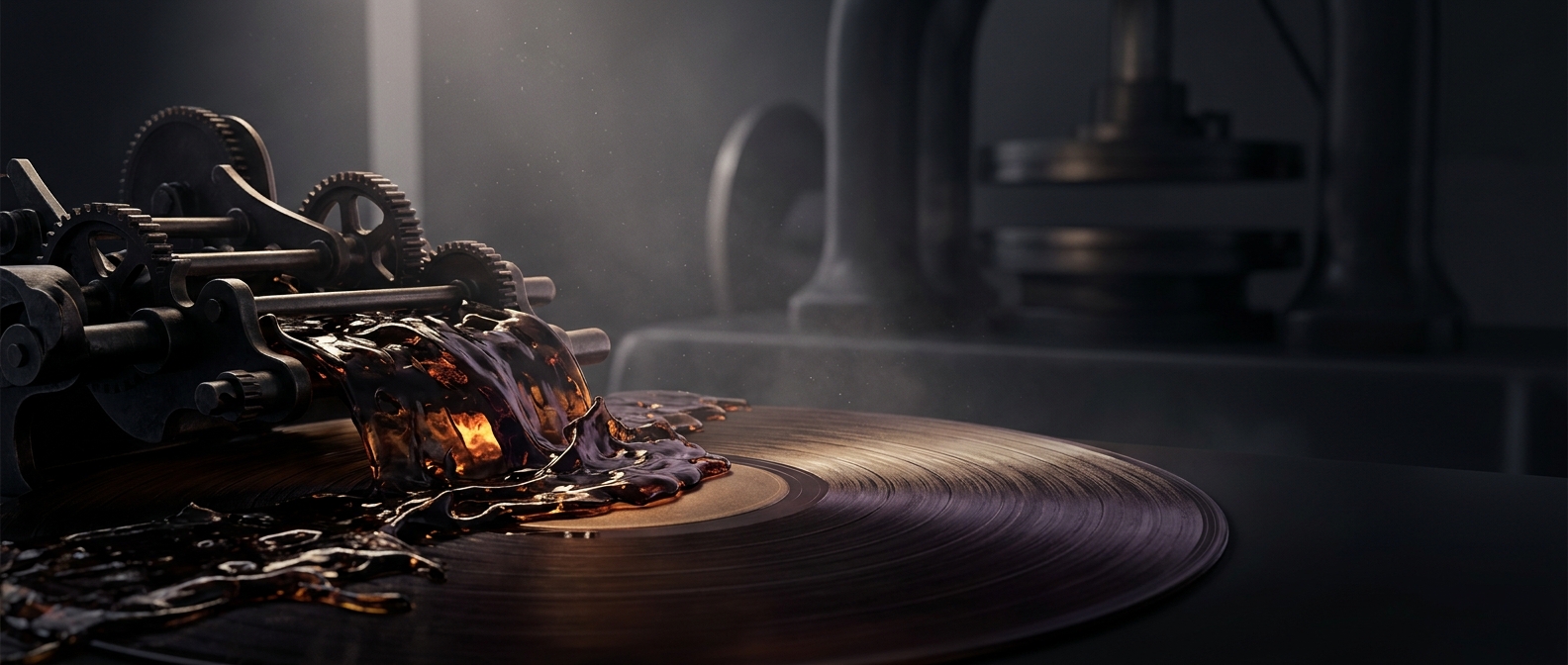
Shellac was not usually the record’s only ingredient. Manufacturers combined it with other materials to create a compound that could be pressed into a disc and hold the fine grooves that encode sound. During playback, a stylus traced those grooves, turning their tiny side-to-side movements into vibrations that could be amplified as music.
The material also shaped the listening experience. Shellac discs were relatively brittle, so they could crack if dropped or handled carelessly. Their grooves and playback needs differed from those of later vinyl records, meaning a record player made for one format was not automatically suited to the other.
Why the name “vinyl” can mislead
“Vinyl record” now often means any record, but vinyl and shellac are different materials. The older shellac format was eventually displaced by records made from plastic, which were more durable and better suited to longer-playing discs. The shift changed not just what records were made of, but also how people stored and played music.
So the surprising link between an insect and recorded music is a material one: lac insects supplied resin that became part of the compound pressed into early discs. A fragile record on a shelf could have begun as a secretion on a tree.