The panic was larger in headlines than in real life
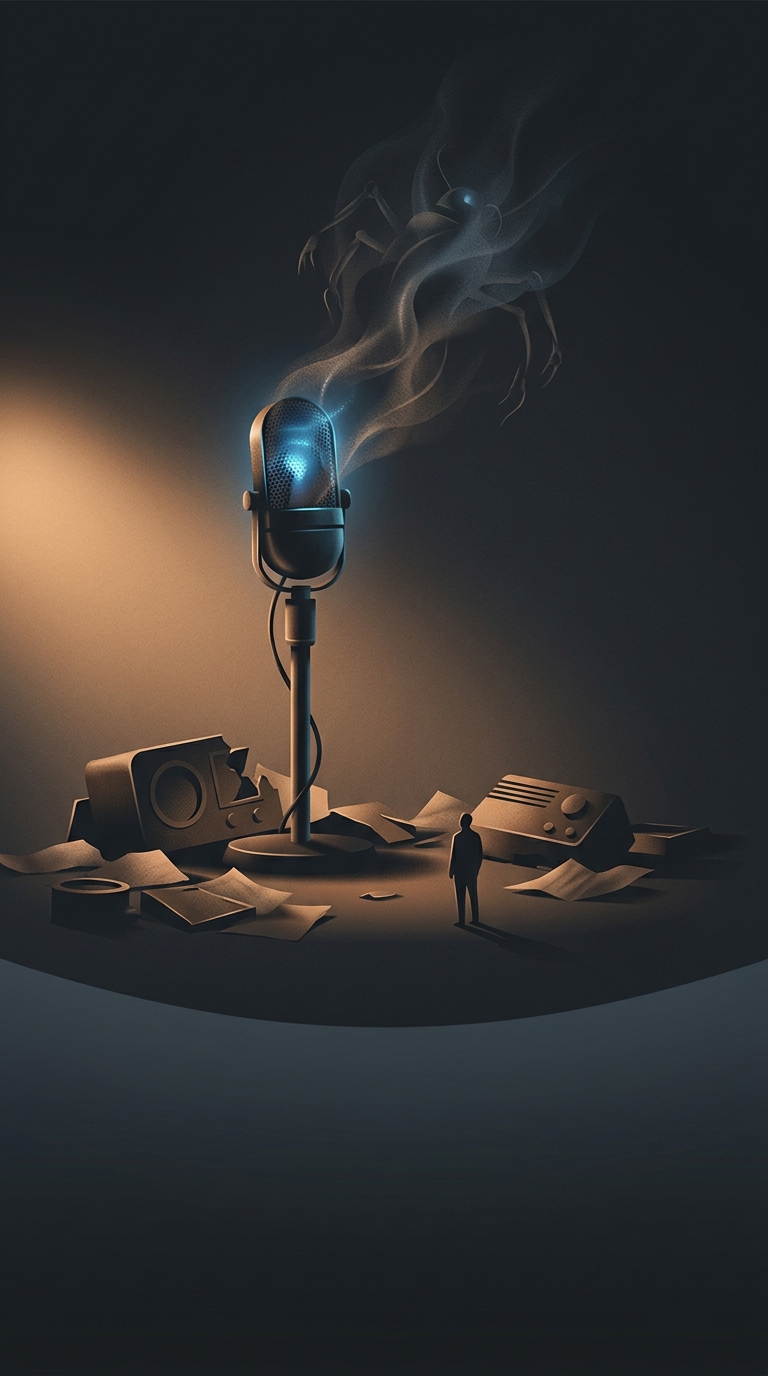
Orson Welles’s 1938 radio adaptation of The War of the Worlds used the style of breaking news: music was interrupted by reports of a strange object and an imagined Martian invasion. Some listeners who tuned in late mistook the drama for real events. But the familiar story of a nation plunged into mass panic is not supported by the evidence.
There were calls to police and broadcasters, and some people were frightened or confused. Yet contemporary accounts often turned scattered reactions into a sweeping emergency. The broadcast had announced that it was a dramatization, and the program repeated that information; listeners who heard those notices knew they were hearing fiction.
Why the story grew so quickly
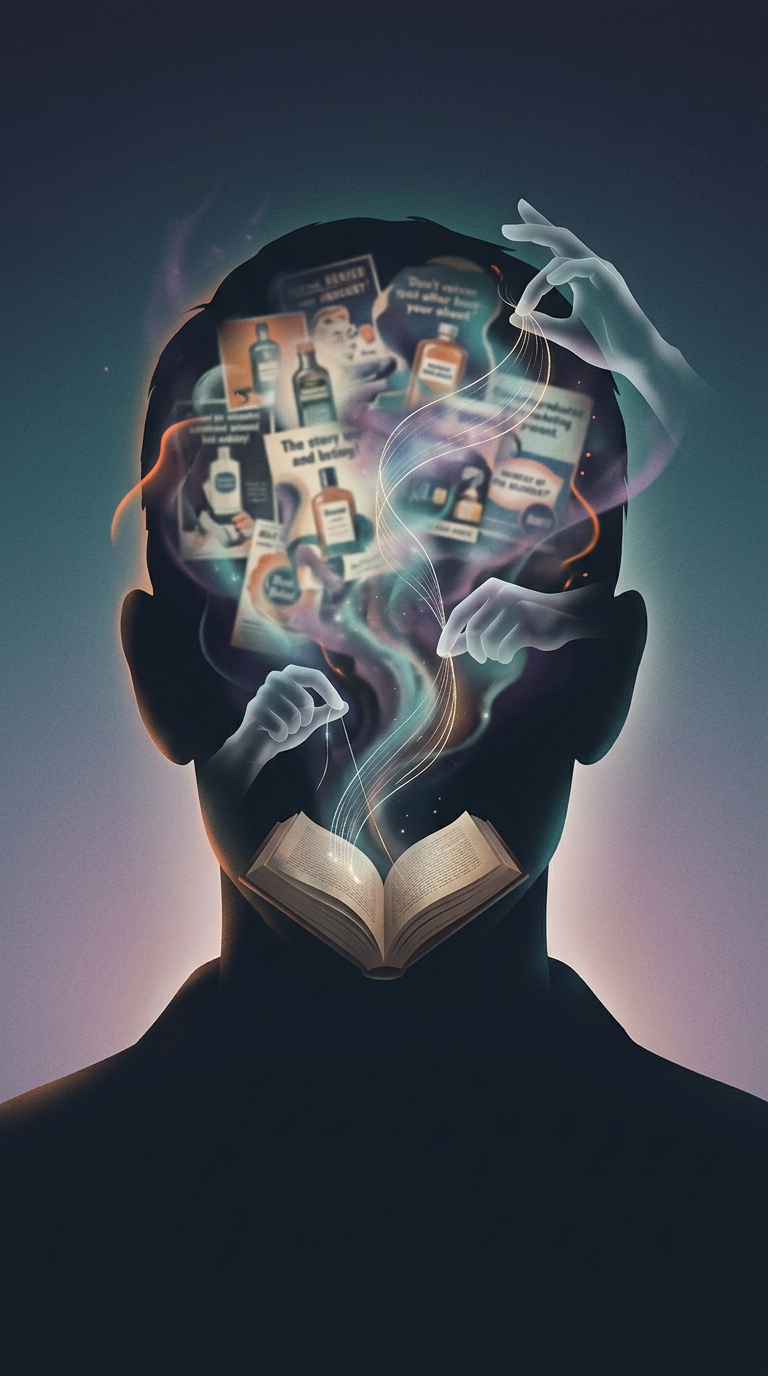
Newspapers helped make the broadcast a national sensation the next day. Radio was drawing audiences and advertising away from print, and newspaper coverage had an incentive to portray the new medium as irresponsible and dangerous. Reports and anecdotes about frightened listeners could be presented as proof that radio news was too powerful to trust.
That does not mean every newspaper account was fabricated or that nobody believed the performance. The format was deliberately realistic, and a listener who missed the introduction could encounter it as a string of urgent bulletins. The crucial distortion was turning real but limited confusion into the image of nationwide hysteria.
The lasting consequence
The broadcast became famous partly because the panic story was more memorable than the uneven, ordinary reactions to the program itself. It is a useful reminder that media effects can be exaggerated by the media reporting on them: a few alarming incidents, repeated as evidence of a public crisis, can become the accepted story even when they do not describe what most people experienced.