Why Viking helmets grew horns in the popular imagination
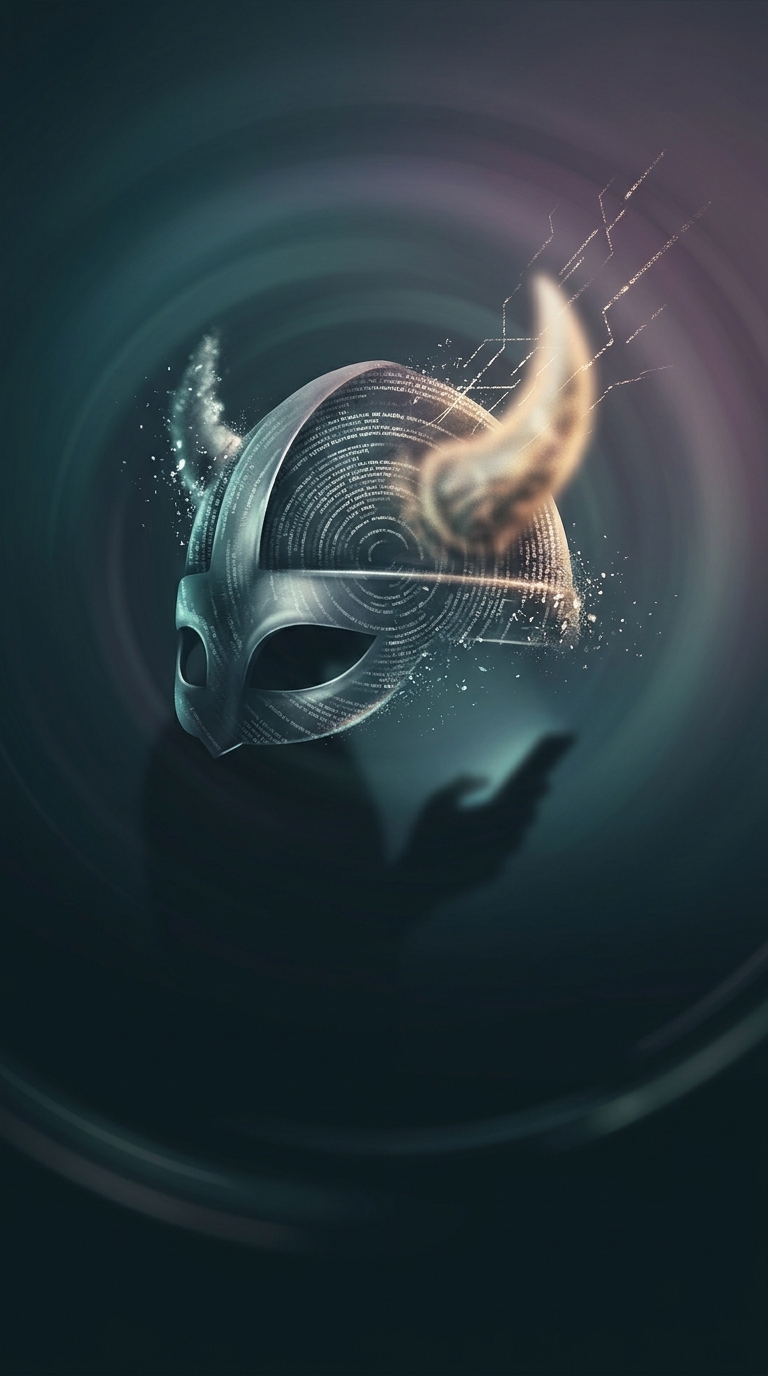
The familiar horned helmet belongs more to modern theater than to Viking battlefields. The best-known version took shape in the 19th century, when artists and costume designers outfitted Norse characters for operas and illustrations. Horns made a warrior instantly recognizable from a distance and gave the costume a dramatic, ancient look. That image spread through later stage productions, books, and popular culture until it came to seem like a historical fact.
Archaeological evidence tells a different story. Viking-age helmets are rare, but the examples and fragments that survive show practical designs, not the sweeping horns of modern depictions. One well-preserved helmet found at Gjermundbu in Norway has a rounded iron cap and a face guard. It is built to protect its wearer, not to make a theatrical silhouette.
Why horns would have been a poor choice in combat
A helmet’s job is to shield the head and help a fighter survive blows. Large projections could catch on weapons, clothing, or nearby obstacles, giving an opponent something to grab or wrench. They would also add weight and make movement more awkward. In a close fight, a dramatic outline would be less useful than a secure fit and solid protection.
Horns did appear on some objects from much earlier periods in northern Europe, including ceremonial headgear. But those finds do not establish that Viking warriors wore horned helmets into battle. The familiar image is a later blend of ancient motifs and modern costume design—a vivid example of how a theatrical choice can become so memorable that it overwrites the evidence.