River Routes Made Ships Part of the Cargo
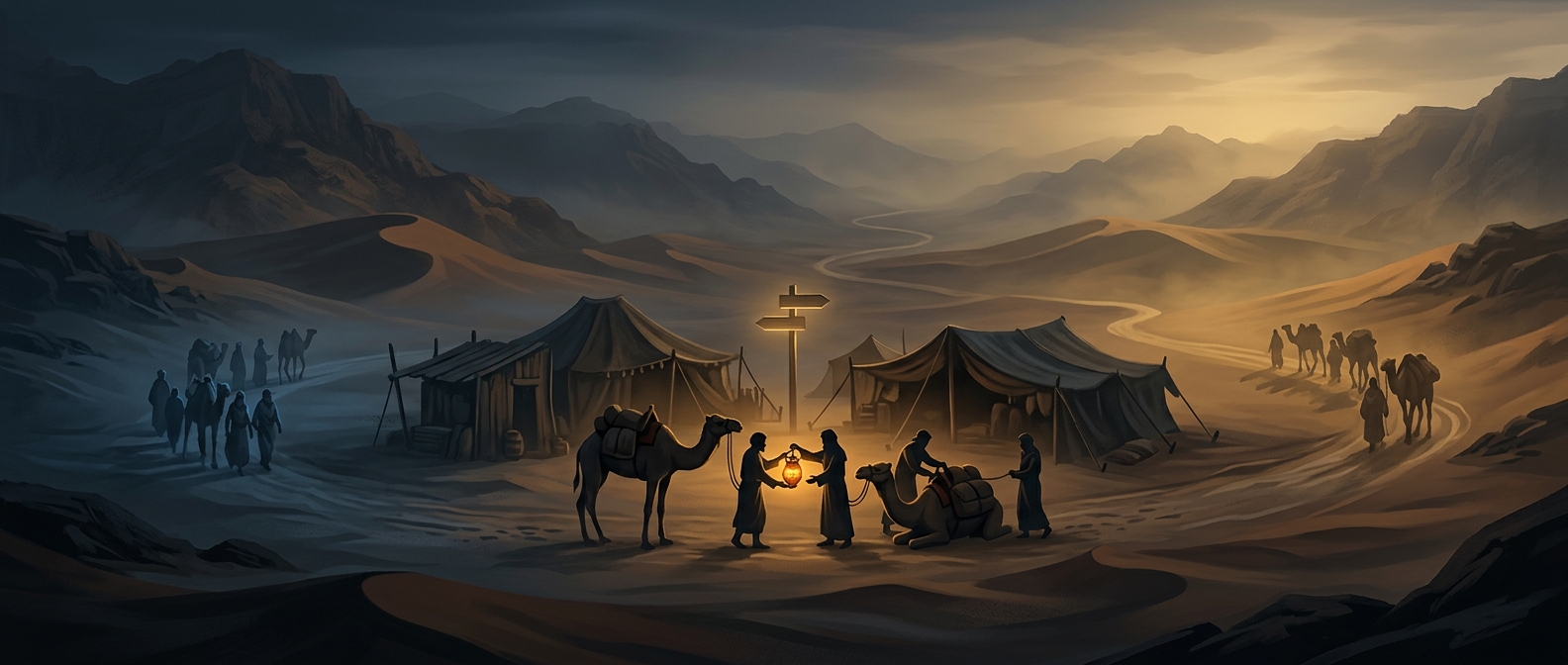
Norse travelers moving through eastern Europe could use rivers as highways, but the waterways did not form one continuous, safe passage. Rapids, shallow stretches, and watershed divides—the high ground separating rivers that flow in different directions—could interrupt a journey. At those points, crews had to unload or lighten their vessels and haul them over land, a practice called portage.
The work was less like dragging a fully laden warship across a road than solving a practical transport problem with the boat available. River craft could be rowed and, where needed, carried or hauled over short stretches. The route linking the Baltic with the Black Sea followed the Dnieper; another major corridor ran down the Volga toward the Caspian. These were connected parts of a wider network, not a single river passage between the Dnieper and Volga.
Why the Hard Labor Paid
Portages cost time and muscle, but they let merchants bypass dangerous or impassable water and reach markets otherwise separated by long distances. Norse traders and their local partners carried goods along these routes toward Byzantine lands and the Islamic world. The cargoes varied; furs, enslaved people, wax, and other commodities appear in accounts of northern trade. Amber was also valuable, but it was not the only—or necessarily the defining—payment for eastern goods.
Silver dirhams, coins minted across the Islamic world, traveled north through these commercial networks. Their arrival mattered because silver could be weighed, exchanged, and reused far from the markets where the coins were first made. Finds of dirhams in northern Europe testify to the reach of that trade, though they do not by themselves tell us exactly what each coin bought.
A Network, Not Just a Viking Feat
The routes depended on more than strong backs: crews needed local knowledge, supplies, boats suited to rivers, and access to settlements where goods could be exchanged. Norse merchants were one part of a larger system linking communities across eastern Europe. Later, some Scandinavians served the Byzantine emperor as Varangian guards, but that military role should not be confused with every merchant voyage.
The striking detail is how commerce could turn a river’s dead end into a land crossing: when the water stopped carrying the boat, people took over the job.