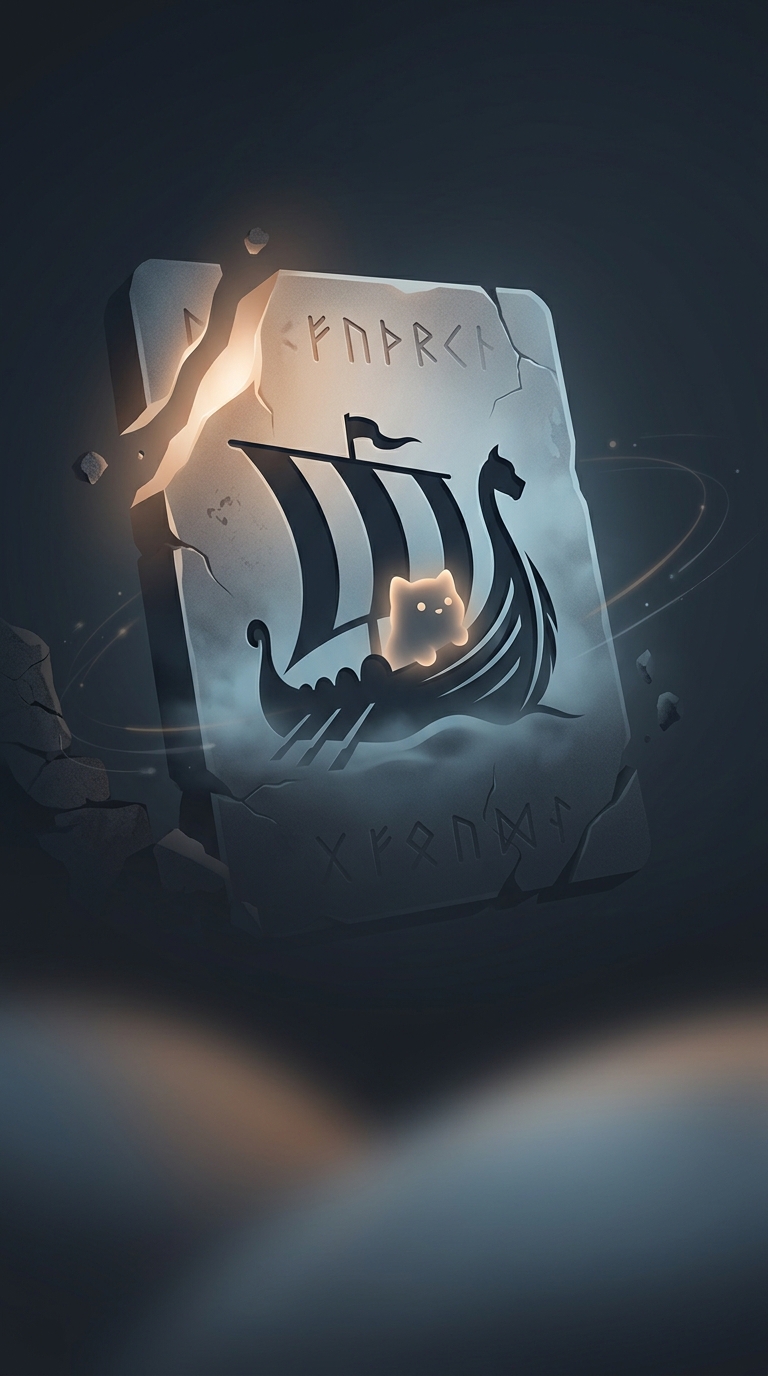
A small hunter aboard a Viking ship
The unexpected shipmate was a cat. A cat could earn its place at sea by hunting mice and rats, which threatened stored food and could gnaw through useful materials. On a voyage where supplies mattered, a predator that fed itself could help protect what the crew depended on.
Why cats suited life at sea
Rodents were more than a nuisance: they could spoil provisions and multiply in cramped storage spaces. A cat’s quiet, persistent hunting offered a practical countermeasure without taking much room or requiring the crew to spend food feeding it. Cats also lived alongside people at home, so bringing one aboard was not an exotic experiment; it extended a familiar relationship into a dangerous setting.
Ships varied in purpose and design, and not every Viking vessel would have carried a cat. But the pairing makes practical sense wherever crews carried food on long journeys. The image of a formidable raider sharing a ship with a small feline hunter is charming; the cat’s real contribution was helping keep the voyage’s provisions intact.