The battlefield turned reverence into hesitation
The story of Pelusium hinges on a difference between having a weapon and being able to use it. Egyptian soldiers facing Persian troops could attack, but if sacred animals were in the path of their weapons, every shot or spear thrust carried a second risk: harming an animal their religion treated with reverence. Even a brief pause or a poorly aimed attack could give advancing opponents an advantage.
Cats were especially associated with Egyptian religious life, including the goddess Bastet. That did not mean every Egyptian would respond identically, or that cats were the only animals considered sacred. The tactic’s force came from making defenders confront a moral and religious constraint in the middle of combat, when there was little time to resolve it.
Why the tactic could matter
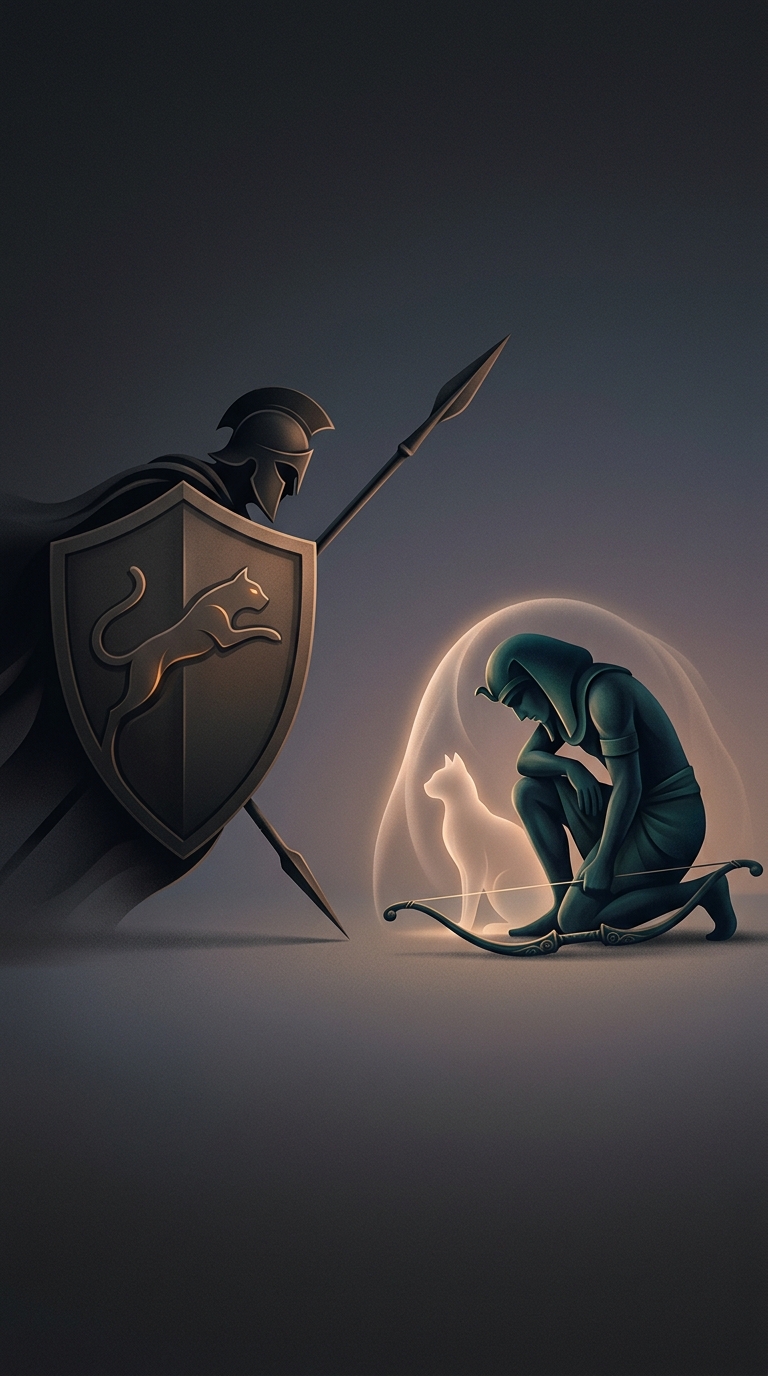
A battlefield depends on coordinated action. If some soldiers hesitate, avoid certain targets, or worry about where their weapons will land, the formation becomes less effective. The Persian approach described in the story exploited that hesitation: the animals were not simply symbols but obstacles that made ordinary fighting choices more complicated. Painted cats on shields could reinforce the same pressure, while live animals made the danger immediate.
The account is best understood as a striking explanation of how Persian forces supposedly used Egyptian religious commitments against them, not as proof that every soldier refused to fight. Its memorable point is the tactical one: a belief can shape what an army is willing to do, and on a crowded battlefield, even a moment of restraint can change who controls the ground.