A battlefield weapon built around scent
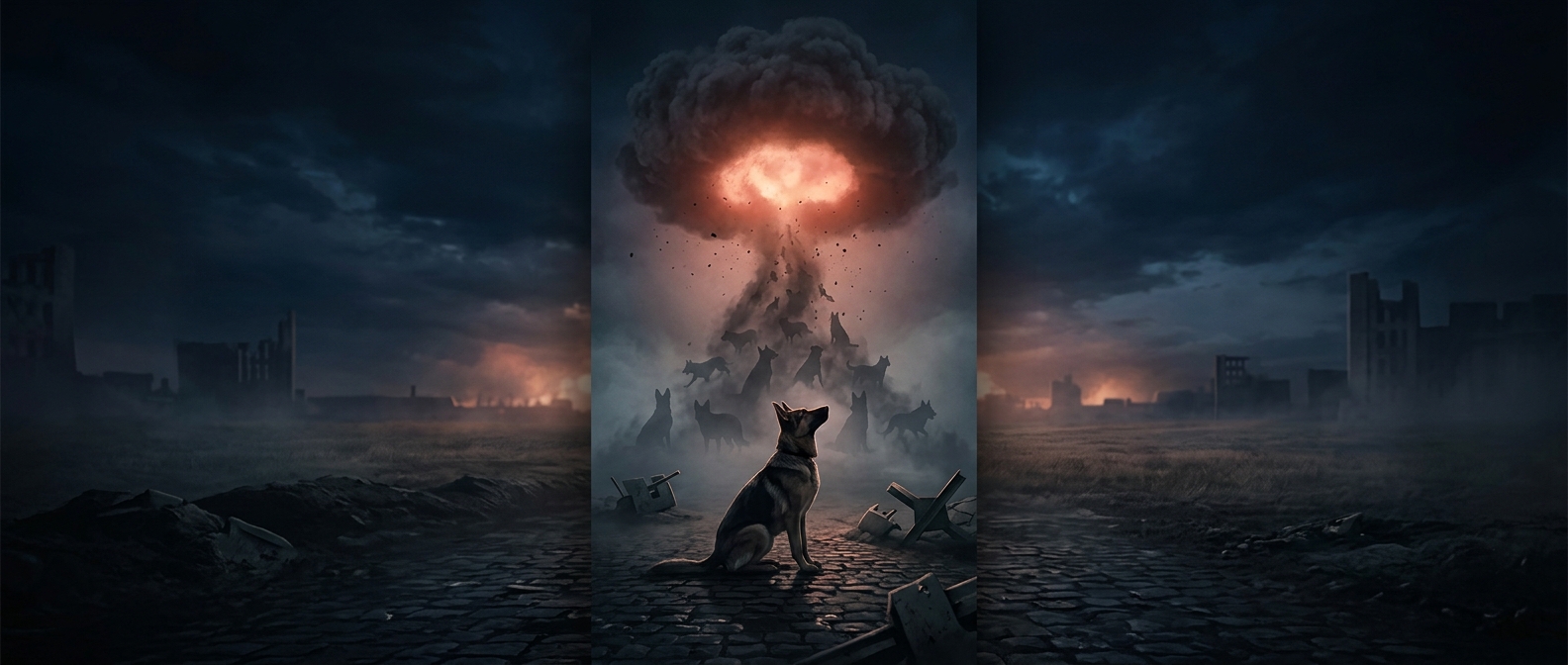
During World War II, the Soviet military trained dogs to carry explosives beneath enemy tanks. The method relied on a simple trigger: a charge attached to the dog could detonate when a lever on its back was pressed as it squeezed under a vehicle. The dog was not expected to return; the attack was meant to destroy the tank and kill the animal as well.
But the training created a dangerous association. Dogs practiced around Soviet tanks, which commonly used diesel engines. German tanks often used gasoline engines, producing a different smell. In the confusion and noise of combat, some dogs reportedly sought out the familiar scent of Soviet vehicles instead of the unfamiliar ones they were supposed to attack.
When training became a liability
That reversal exposed the weakness of using a living animal as a delivery system: the weapon depended on the dog navigating a chaotic battlefield and responding to cues exactly as trained. A dog that hesitated, panicked, or chose the wrong tank could endanger the force that had sent it.
The program did not make dogs reliable tank-killers. Its most telling lesson was how a seemingly useful training shortcut—familiarize animals with friendly equipment so they learn to approach tanks—could point them toward the wrong target. In battle, the difference between a friendly and enemy vehicle was not just a matter of markings; to these dogs, it could be a matter of smell.