Itter Castle’s unlikely defenders
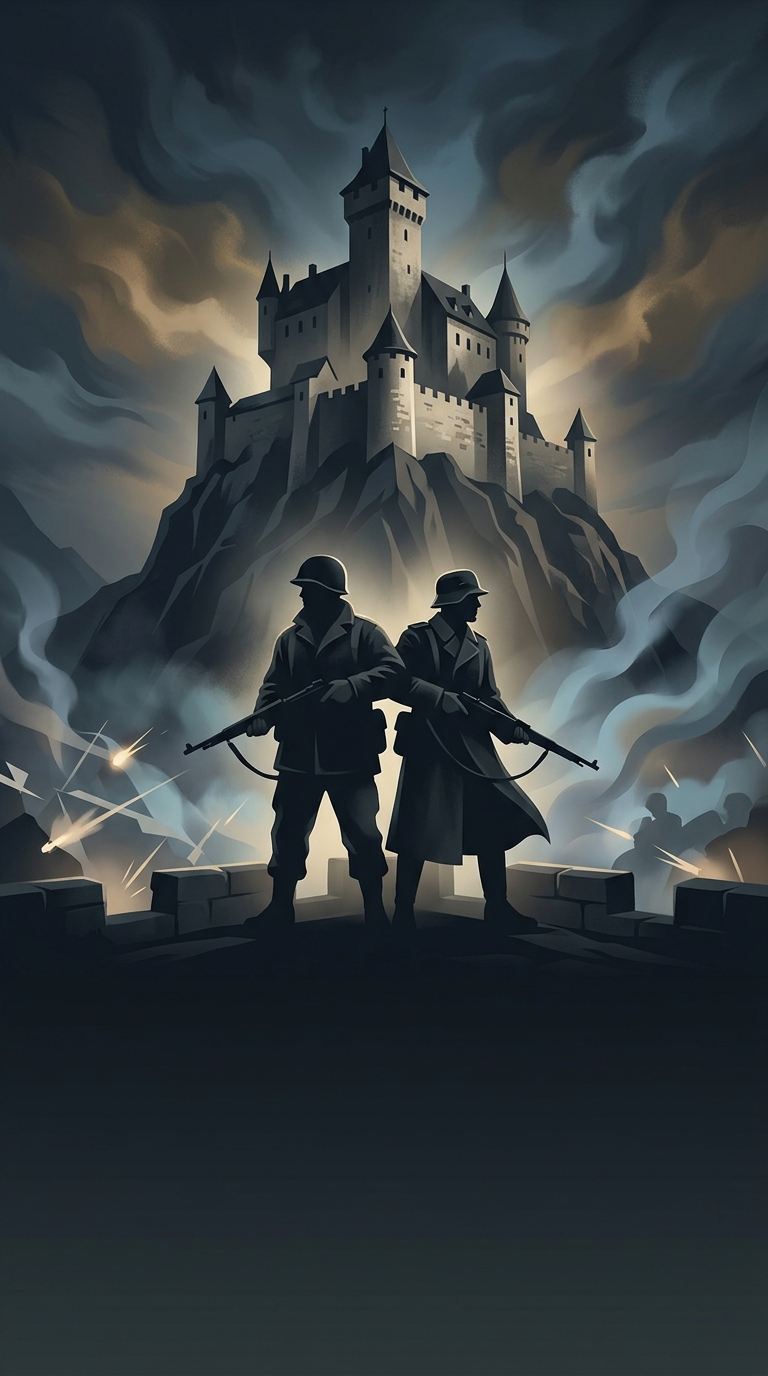
In May 1945, as Nazi Germany was collapsing, a small group of American soldiers and German troops defended Itter Castle in Austria against an attack by the Waffen-SS. The castle held prominent French prisoners, among them former officials and military leaders. When the assault began, some of the prisoners joined the defense, turning a guarded residence into a hastily assembled fighting position.
The alliance was born from an immediate threat, not a shared cause. The German soldiers at the castle had broken with the SS, while the attacking force remained determined to prevent the prisoners from being freed. With the war’s command structure disintegrating, the defenders had to decide quickly whom they could trust—and whether they could hold the building until help arrived.
A castle becomes a strongpoint
Itter’s stone walls offered shelter, but they could not make a small defense force secure. The defenders had limited people and ammunition, and the SS attack put pressure on the castle’s approaches. The French prisoners were not simply bystanders: several took up weapons and helped resist the assault alongside the American and German soldiers.
The episode is often remembered as a striking reversal of wartime roles. Yet it was also a practical act of cooperation under fire: men who had recently been enemies fought together because the SS posed a more immediate danger. Their common ground lasted for the crisis, without erasing the conflicts that had brought them there.
The stakes of the final days
The defense of Itter shows how the war’s last days could scramble political and military loyalties. As Nazi authority fractured, a uniform alone no longer told the whole story of whom a soldier would obey. At this castle, survival depended on a fragile coalition—Americans, German troops who had turned against the SS, and French prisoners—holding one position together long enough for the balance of force to change.