A small injury became a political exhibit
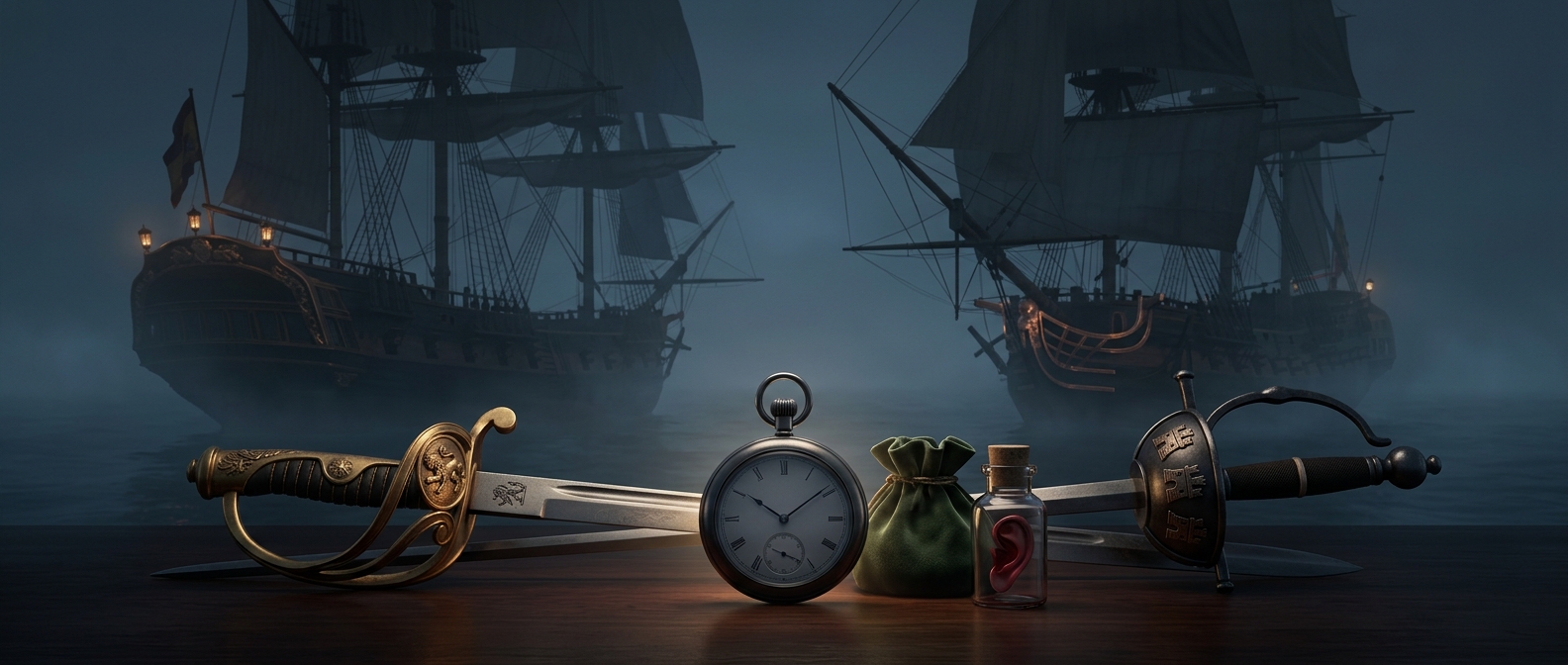
In 1731, Spanish officials boarded the British merchant ship Rebecca and injured its captain, Robert Jenkins. Jenkins later said one of them had cut off his ear. Years afterward, he appeared before the British Parliament with the severed ear as evidence of Spanish treatment of British sailors.
The injury mattered not because it created Britain’s grievances, but because it made them tangible. Complaints about ship searches and maritime violence could sound like a distant dispute over rules. A captain displaying a mutilation gave Parliament a stark example that was easy to remember—and useful to politicians demanding a tougher response to Spain.
The dispute behind the name
Britain and Spain had been contesting control of trade in the Caribbean and nearby waters. Spanish authorities tried to enforce restrictions on foreign commerce in their American colonies, while British merchants sought opportunities to trade there, legally or otherwise. Spanish patrols searched British vessels they suspected of violating those rules; British sailors and merchants saw such searches as harassment and a threat to their livelihoods.
That conflict produced repeated complaints and diplomatic strain. Jenkins’s story helped turn a collection of incidents into a public argument for war, but it was not the sole cause. Commercial rivalry, disputes over Spain’s right to inspect ships, and competition for influence in the region had been building for years.
From testimony to war
In 1739, Britain declared war on Spain. The conflict became known as the War of Jenkins’ Ear, a name that makes one man’s injury sound like the whole explanation. In reality, the ear served as a vivid symbol for a much broader struggle over who could trade, patrol, and exercise power across the Atlantic.
Its political force came from that compression: one portable piece of evidence could stand in for years of contested searches and commercial frustration. The name endured even as the war’s stakes reached far beyond Jenkins himself.