The Thumb Ring Was an Archer’s Equipment
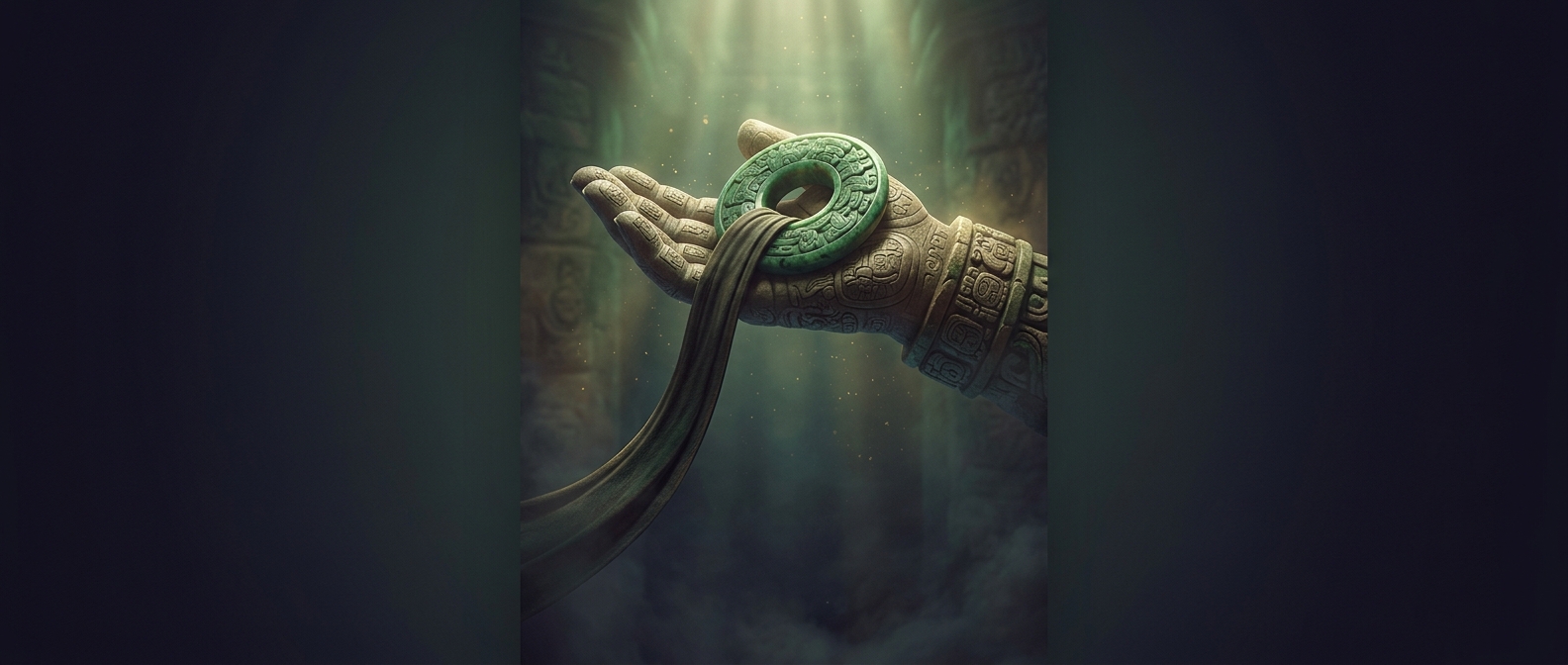
The ring in question is an archery thumb ring, traditionally worn on the thumb used to draw a bowstring. In the thumb-draw technique, the archer hooks the string with the thumb and locks it in place with the fingers. A ring made of a hard material shields the thumb from the string’s pressure and gives it a smoother surface to release from.
That protection mattered especially to mounted archers. Drawing and releasing a powerful bow repeatedly could hurt the thumb; on horseback, the archer also needed a technique that worked reliably without relying on the three-finger draw common in some other archery traditions. Thumb rings were used across parts of Asia, including Persia, though the simple “sniper” description makes them sound like modern precision-shooting gear. They were tools for archery, not a special device for sniping.
From Practical Tool to Wearable Object
Because a thumb ring sits on the hand, it could be decorated as well as functional. Rings made for archery might be carved or embellished, and some could serve as signs of status or personal taste. Over time, the form also became familiar as jewelry, detached from the demanding mechanics of drawing a bow.
So the modern ring’s connection to ancient warfare is real, but its original advantage was quite specific: it helped an archer draw a bowstring with the thumb while reducing wear and improving release. A small ring could make repeated shots more comfortable—and, in the hands of a trained archer, more dependable.