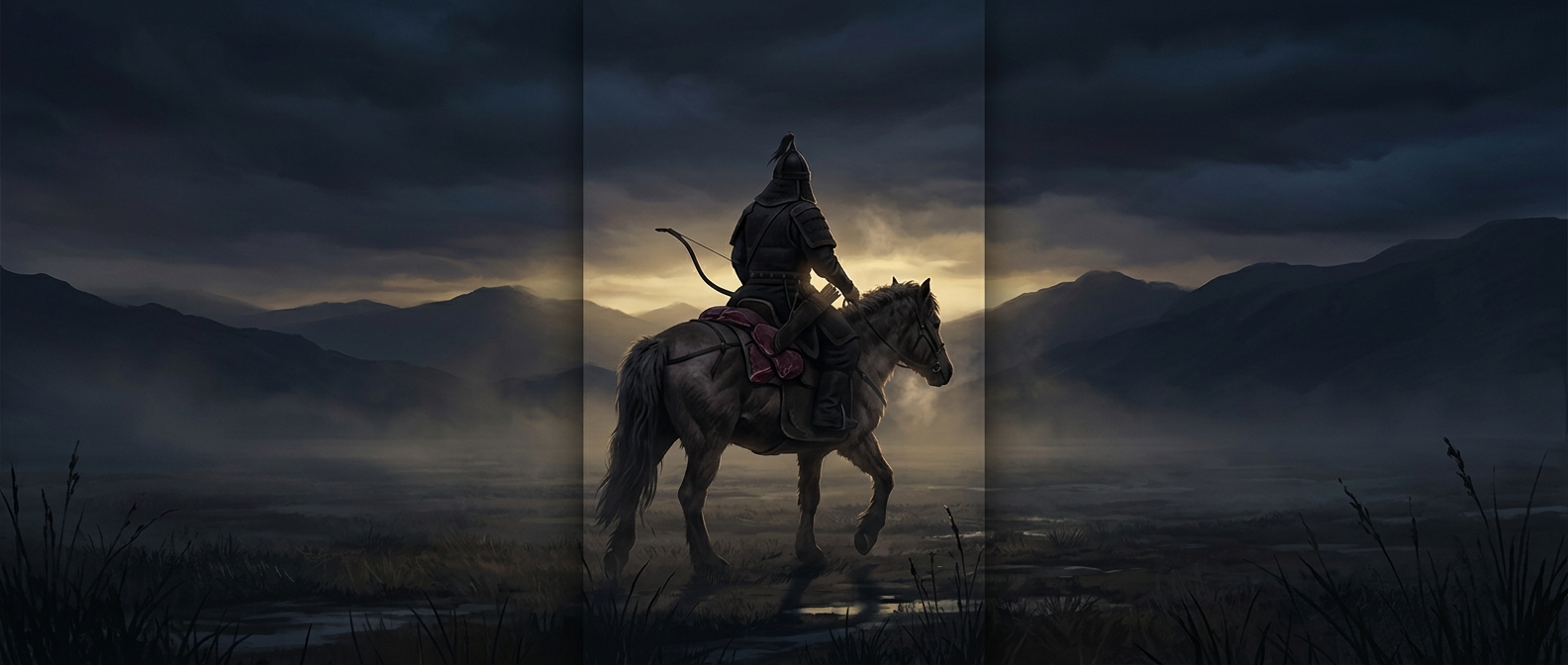
A Mustache Built to Look Like a Threat
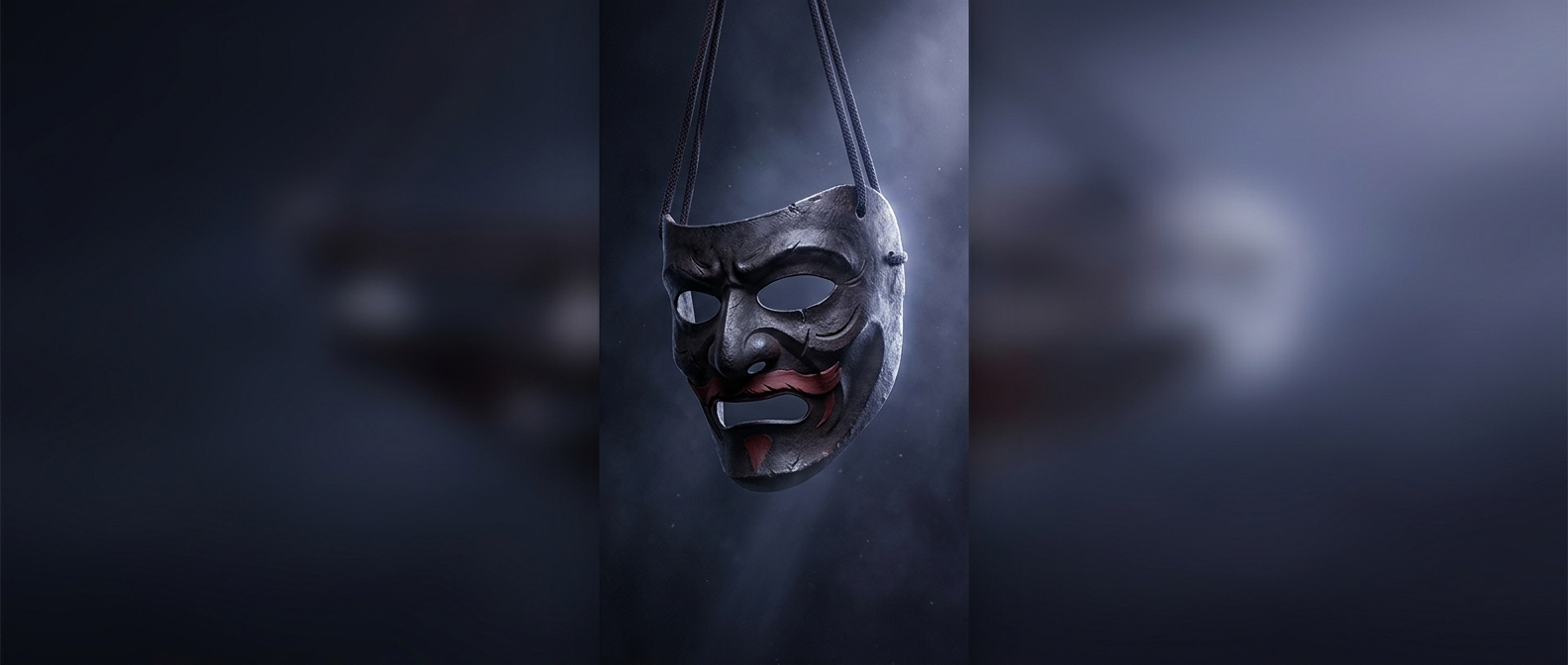
A riveted iron mustache was more than decoration: it made a protective face covering look like a human face with an exaggerated, aggressive expression. At close range, that mattered. A mask could hide its wearer’s features, while the heavy brows, nose, and mustache gave opponents a fixed face to confront—one that seemed stern even when its wearer was silent.
The mustache also made the mask visually distinctive. Because it was attached as raised metal rather than painted on, it stood out in changing light and remained part of the armor’s shape. Its rivets secured the feature to the mask, turning ornament into a durable piece of construction.
Protection and Presence in the Same Object
A face mask could shield vulnerable parts of the head, but coverage came with tradeoffs: metal over the face could restrict vision, breathing, or communication. Adding a bold facial feature did not solve those problems. Instead, it gave the armor a second function. The mask protected the wearer while presenting an intimidating image to anyone facing him.
That image should not be mistaken for proof that every opponent was frightened, or that the mustache alone determined a battle. Its purpose was to shape the encounter at the most immediate level: before a warrior spoke or struck, the mask made his face part of his equipment. The result was protection that could also project menace.