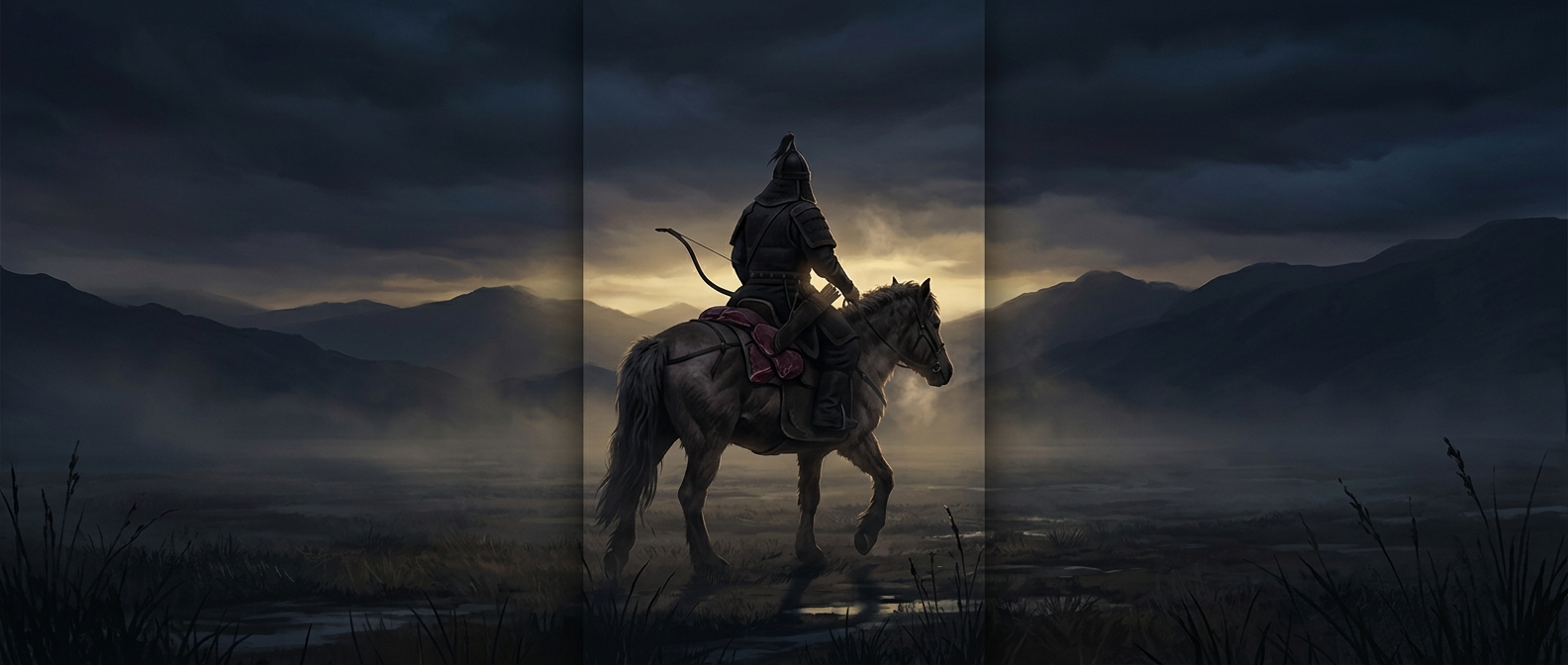
A saddle could double as a moving food pack
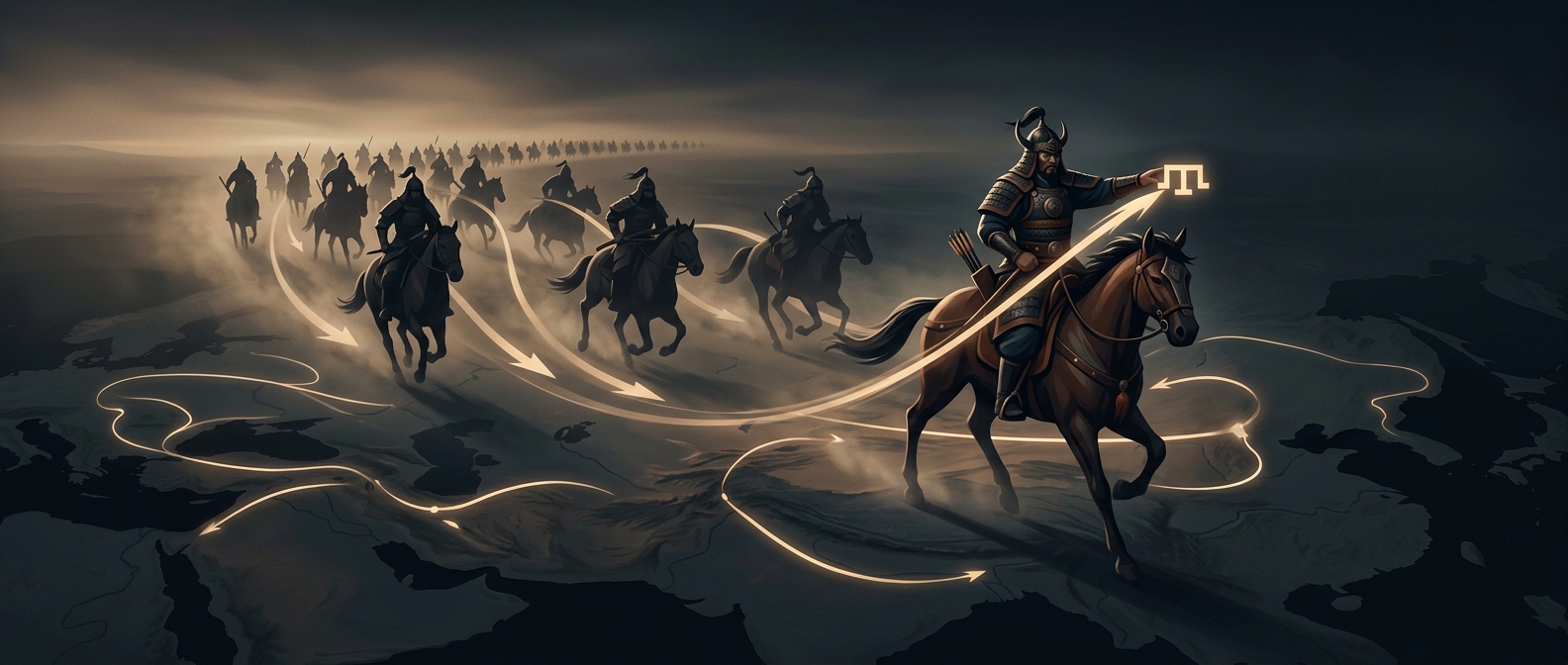
For a mounted warrior, carrying food was part of the same problem as carrying weapons: anything bulky or fragile competed for space and slowed the journey. A piece of meat tucked beneath a saddle could travel with the rider rather than require a separate container or a stop to prepare it. Hours of pressure and motion would compress and soften the meat, making it easier to chew; salt in horse sweat could season it as well.
The image is striking because it turns the horse’s working gear into part of the meal’s preparation. The saddle did not cook the meat. It kept it close to the animal’s warmth while the rider moved, and the repeated pressure did the rough work of tenderizing.
The advantage was time on the move
A ready-to-eat ration mattered most when stopping meant losing ground or breaking the pace of a long ride. Instead of building a fire and waiting for a meal, a warrior could eat while continuing to travel. That did not make every ride a culinary routine; it was a practical solution for food that had to be portable and immediately usable.
The detail captures a larger feature of life on horseback: equipment had to earn its place. In this case, the saddle carried both rider and provisions—and the journey itself helped prepare the food.