Why a boundary dispute became the Aroostook War
The Aroostook War grew out of a map problem with valuable trees on the ground. The United States and Britain had never settled exactly where the northeastern boundary ran between Maine and the British colony of New Brunswick. The disputed Aroostook River region was rich in timber, and both sides claimed authority over the people cutting and hauling lumber there.
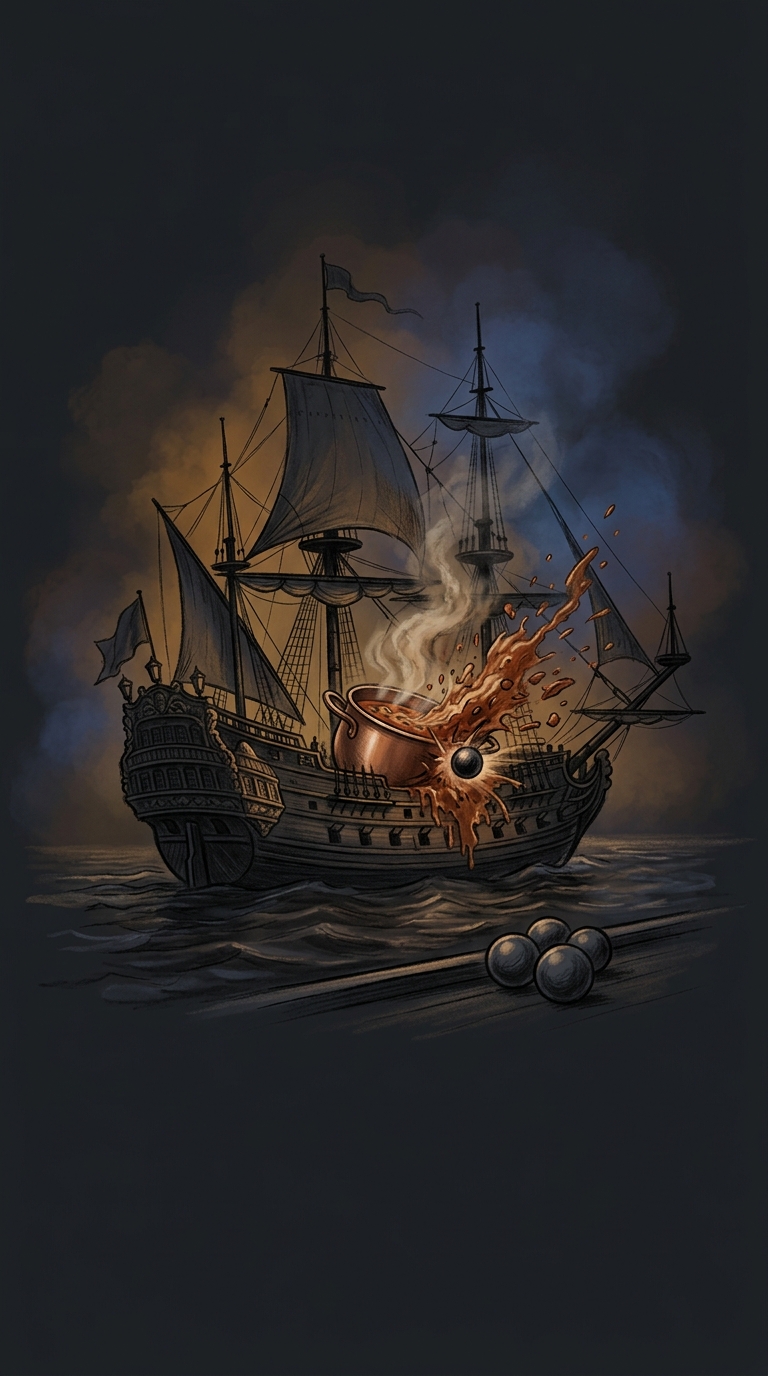
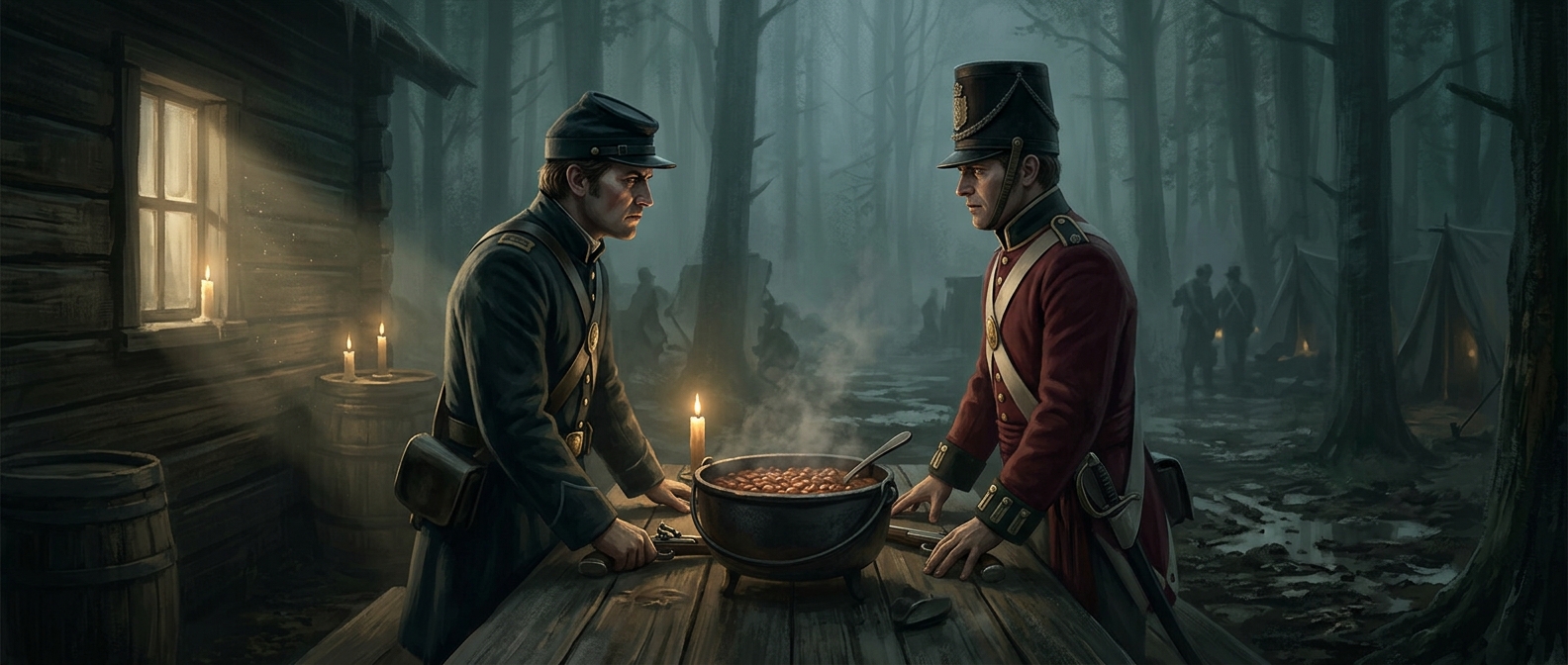
In the winter of 1838–39, New Brunswick authorities moved against American lumber workers, while Maine organized a militia response and sent forces toward the area. The dispute escalated into a show of competing claims: officials seized people and supplies, troops were mobilized, and each government risked turning a local confrontation into an international crisis. The nickname “Pork and Beans War” attached to the episode through the provisions carried by American troops—not through a battle over food.
A war that stopped short of battle
The name sounds like a comic explanation for a comic conflict, but the danger was real. Maine and New Brunswick were backed by governments that could bring much larger forces into the dispute. Federal intervention helped prevent the state-level mobilization from becoming a shooting war, and negotiations put the immediate crisis on hold.
The lasting settlement came in 1842, when the United States and Britain agreed on a boundary in the Webster–Ashburton Treaty. The line was a compromise rather than a simple victory for either side, dividing the contested territory and clarifying the border. The episode’s odd nickname preserves the texture of a military standoff—men provisioned for a campaign—while its outcome shows how a dispute over timber and maps was ultimately resolved at a negotiating table.