Rome’s street-food counters solved a problem of apartment life
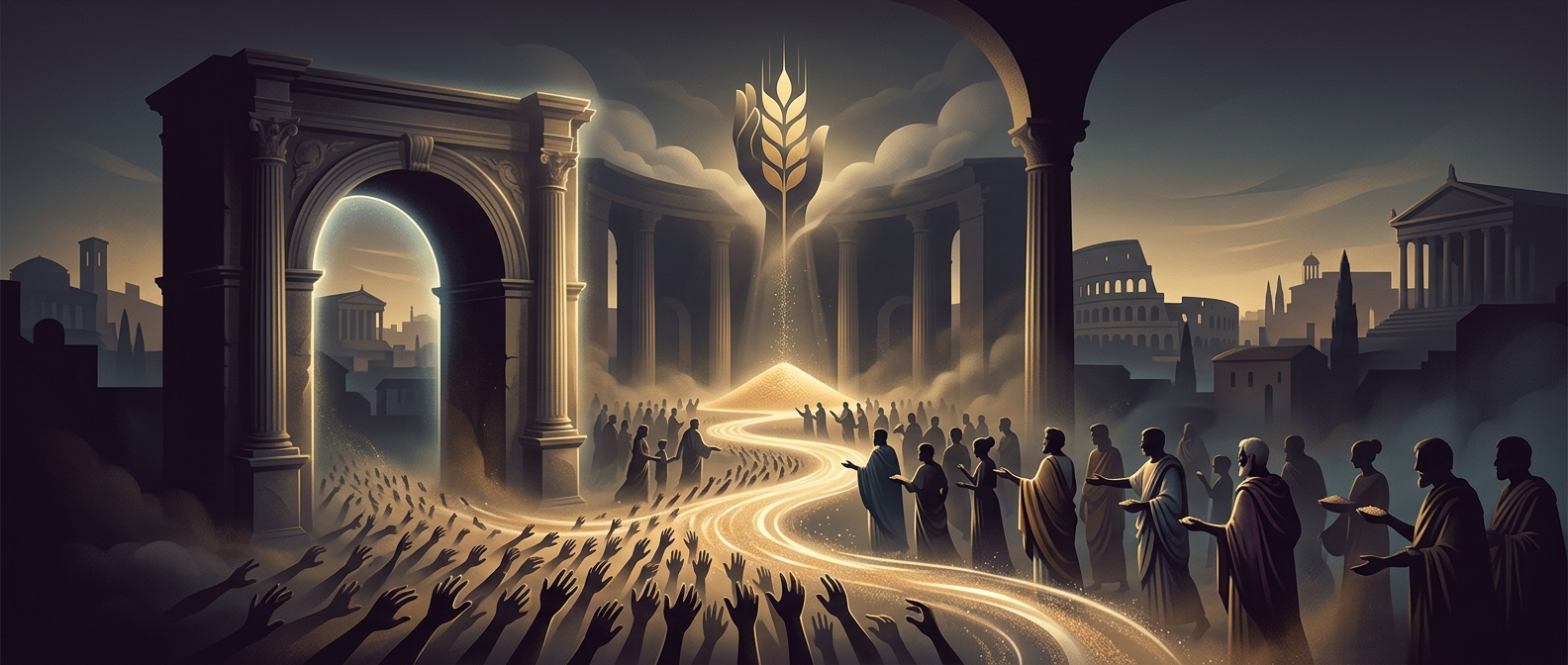
For many poorer Romans, eating out was not an occasional treat. It was a practical answer to living in crowded rental buildings, where cooking a meal could be difficult. Small rooms often lacked a proper kitchen, and open flames in tightly packed buildings posed a danger. Buying food already prepared could be simpler than storing fuel, equipment, and ingredients at home.
How a Roman takeaway worked
A thermopolium was a shop that sold ready-to-eat food and drink. Its counter commonly held large jars set into the masonry, keeping items accessible for customers. People could stop in for a quick serving rather than prepare an entire meal themselves. These shops brought food service directly onto busy streets and made prepared food part of ordinary urban life.
The arrangement also suited the rhythms of the city. Workers could eat near where they lived or worked, without a private dining room or a household kitchen. The food was not necessarily a modern fast-food meal in its ingredients or style; the resemblance lies in the convenience: a customer paid for food made by someone else and ate without cooking at home.
Convenience shaped by inequality
This was not simply a fashionable alternative to home cooking. Wealthier Romans had more room and resources to prepare meals or have them prepared for them. For people living in cramped quarters, street food offered a way around constraints built into their housing and working lives. Rome’s familiar-looking takeaway counter was therefore more than a quick stop: it was part of how a dense city fed residents who could not easily cook for themselves.