Why Bubblegum Broccoli Didn’t Work
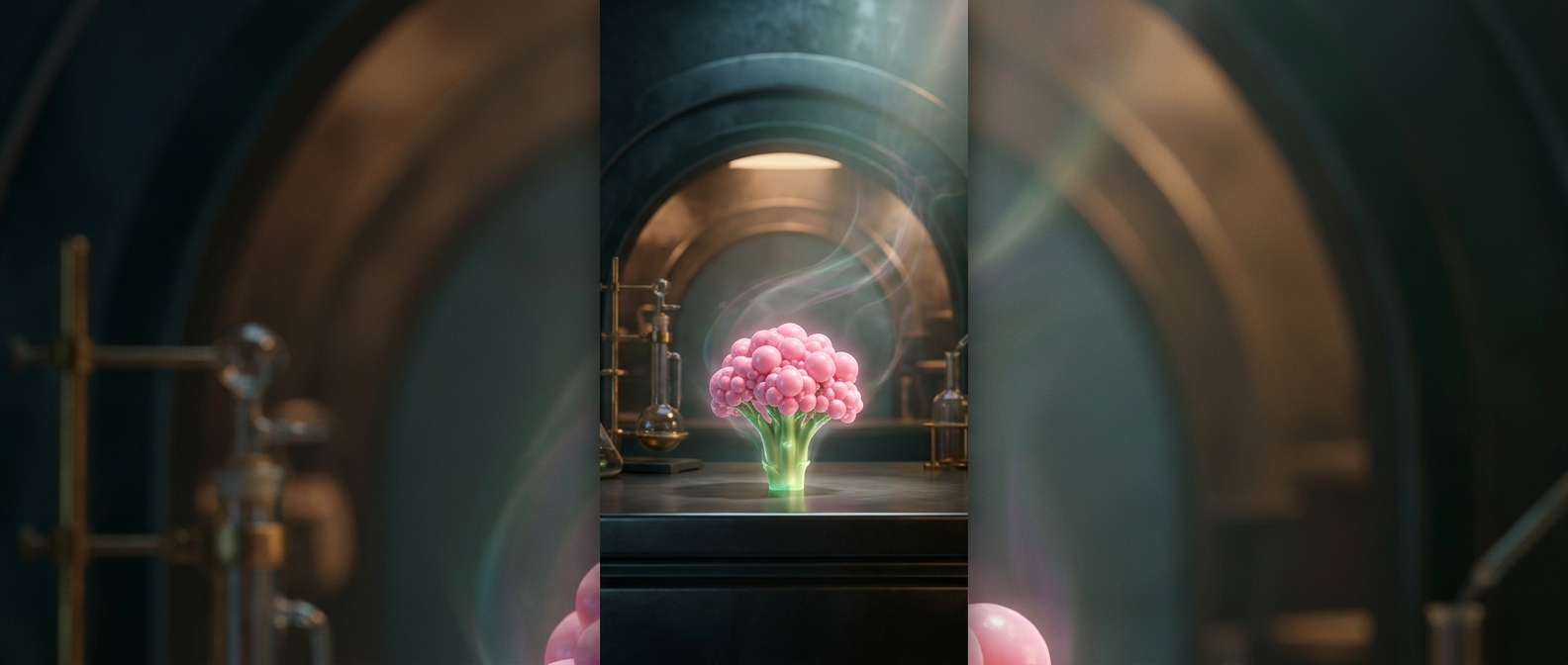
The idea treated children’s dislike of broccoli as a flavor problem: make the vegetable taste like candy, and they might be more willing to eat it. But flavor is not just a list of tastes. People also learn to expect certain flavors from particular foods. Bubblegum signals a sweet treat; broccoli signals a savory vegetable. Put the two together and the mismatch can make the food feel strange rather than inviting.
Changing the Taste Wasn’t Enough
A sweet flavor can make a vegetable taste less bitter, but that does not automatically make the whole experience appealing. The broccoli still looks and feels like broccoli, while its flavor suggests something else. For children, that clash between what a food looks like and what it tastes like can be more off-putting than the vegetable’s original taste.
The failed experiment points to a harder challenge than simply adding sweetness: getting children to accept a food often means making its flavors, appearance, and texture feel coherent. Bubblegum broccoli tried to borrow the appeal of candy, but the combination made the vegetable seem unfamiliar in the wrong way.