A garment became a cultural boundary
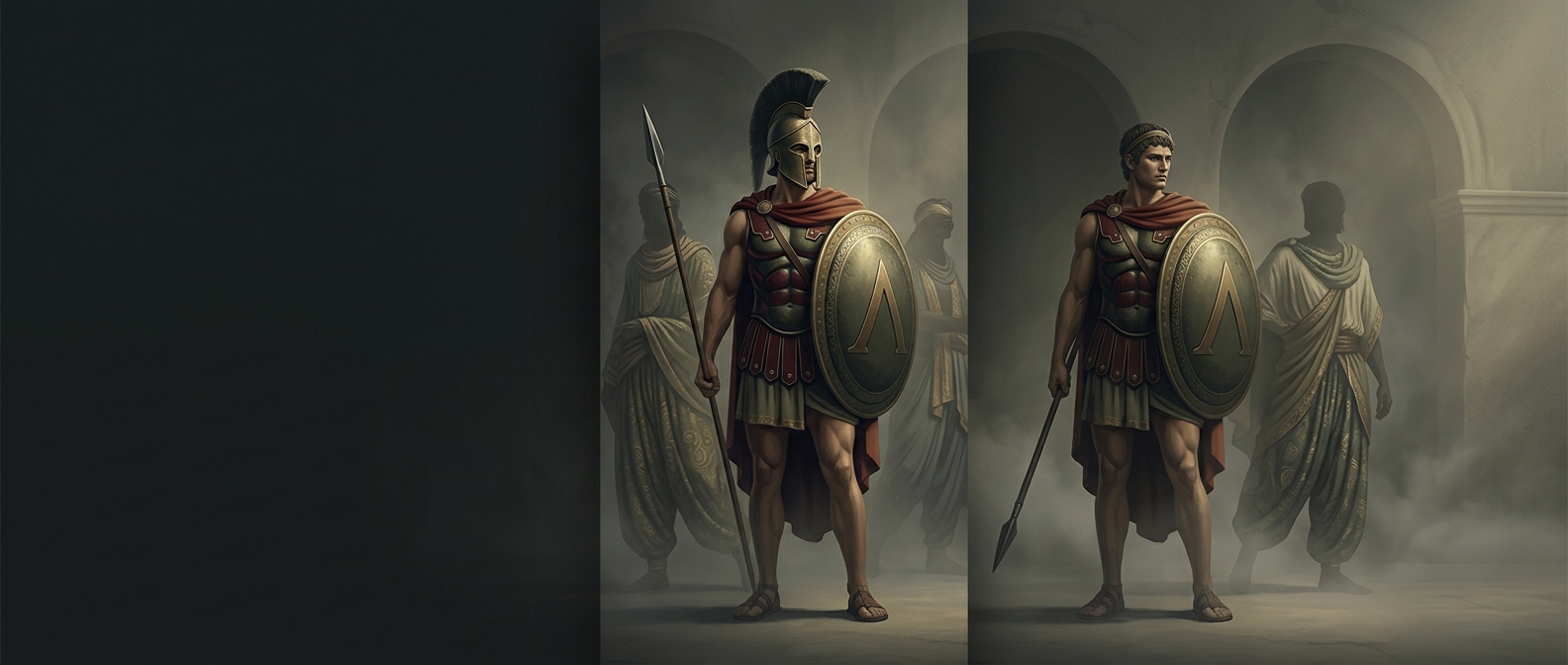
For many Greeks, trousers were not simply an unfamiliar way to dress. They were associated with peoples beyond the Greek world, especially Persians, whom Greeks encountered as rivals and powerful neighbors. Greek men more commonly wore tunics and cloaks, leaving their legs uncovered. That contrast made clothing an easy shorthand for distinguishing “Greek” from “foreign.”
Why trousers looked like the wrong kind of manliness
Trousers made practical sense for riding and for protection from cold. But Greek critics could interpret that practicality as evidence of weakness or softness, rather than as a response to a different way of life. In a culture that prized ideals of masculine discipline and physical display, bare legs could signal toughness; covered legs could be portrayed as a failure to meet that standard.
The judgment was less about what trousers could do than about who wore them. Once a garment marked someone as Persian or otherwise foreign, condemning it helped make Greek customs seem natural and superior. A useful piece of clothing became an argument about character—and about which people counted as properly Greek.