Why a Watch on the Wrist Looked Different
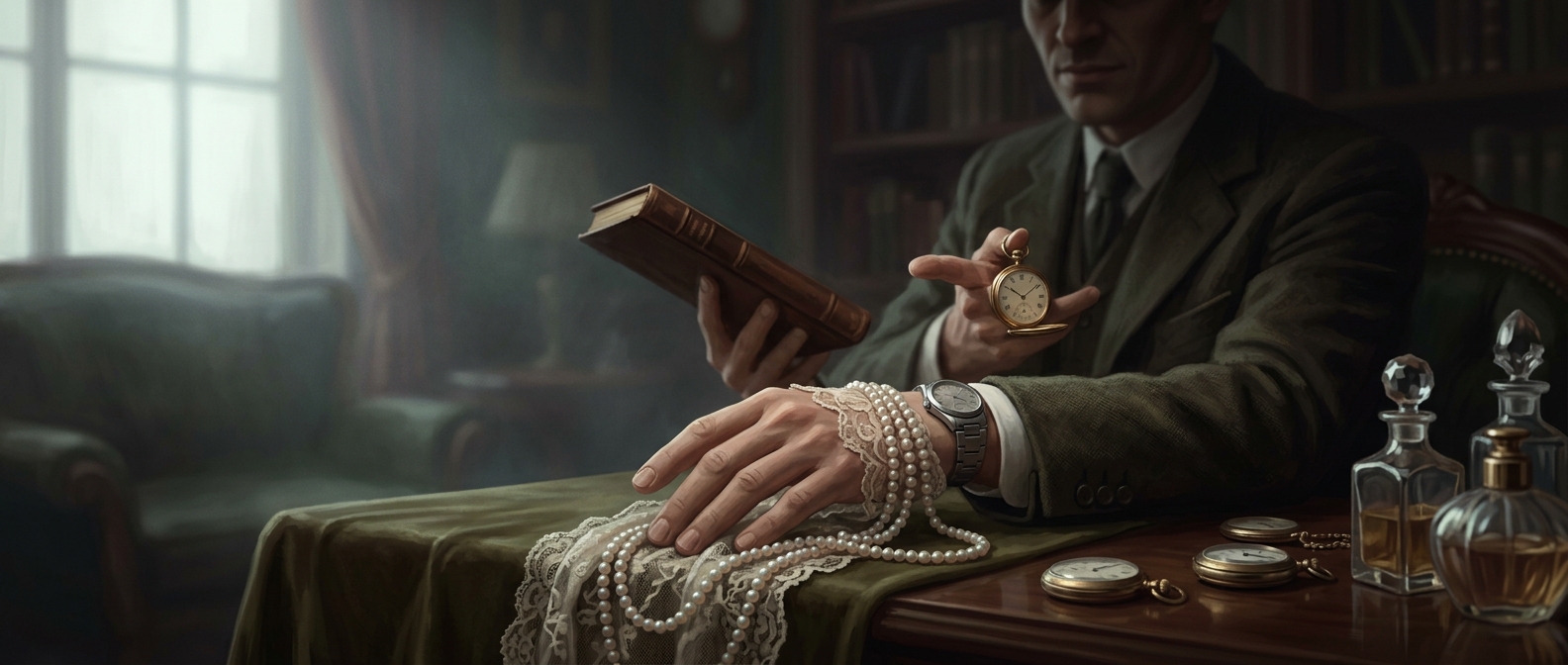
For generations, a man’s pocket watch was more than a timekeeper: it was a familiar piece of formal dress. It sat in a waistcoat pocket, often attached by a chain, and checking it was a small ritual—reach into the pocket, draw it out, open it, then put it away. A watch strapped directly to the wrist shifted both the appearance and the routine. It resembled jewelry, an accessory already strongly associated with women, rather than the established male watch.
That association could make wristwatches seem frivolous, even as their practical advantage was obvious. The issue was not that pocket watches kept time poorly; it was that they required a free hand and a few deliberate movements to consult.
Use Changed the Calculation
When a person needed both hands for work or action, those movements became a nuisance. A wristwatch kept the dial in view and made checking the time possible with a turn of the arm. In settings where people could not conveniently reach into a pocket, the wristwatch’s convenience mattered more than its reputation.
That practical case helped men accept a form that had initially seemed out of place. Once the watch was valued as useful equipment, rather than merely as an ornamental accessory, wearing it on the wrist became easier to justify. The change was not simply a new fashion replacing an old one: it was a familiar object redesigned around how its wearer needed to move.
The contrast is what makes the shift memorable. A pocket watch announced itself through a chain and a practiced gesture; a wristwatch quietly put the time where a busy hand could find it.