A Wedding Party as a Protective Disguise
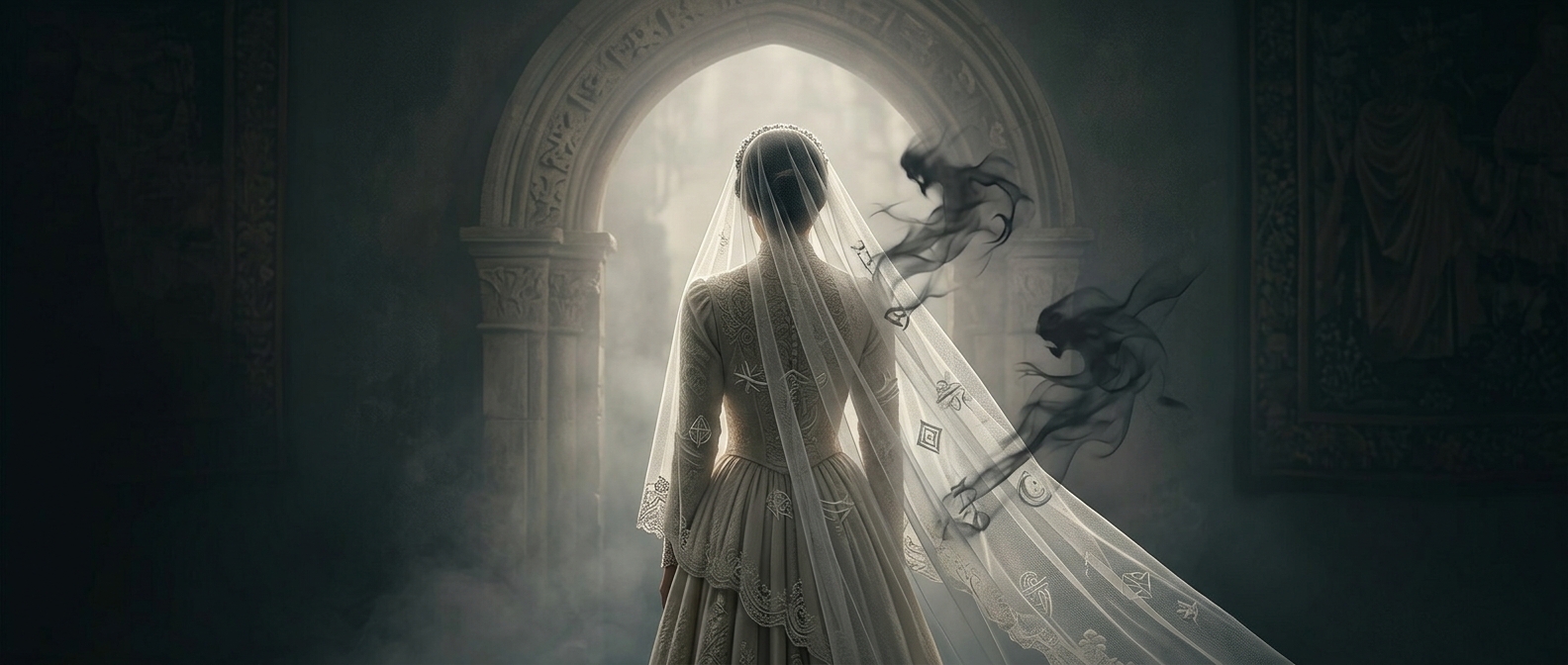
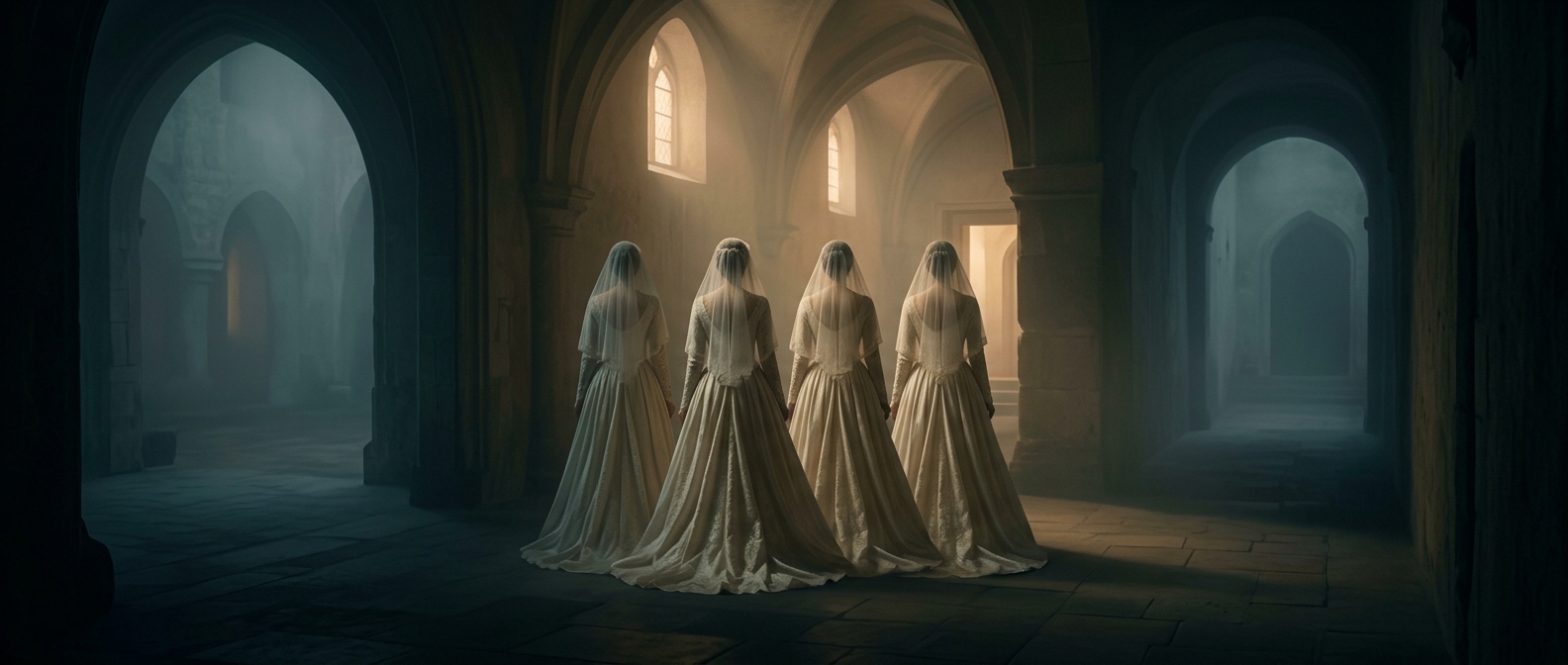
In the traditional explanation, matching bridesmaids’ dresses were more than a coordinated look: they made it harder for harmful spirits to pick out the bride. The attendants served as supernatural decoys. If several women appeared alike, a spirit seeking to curse the bride might mistake one for another—or fail to identify its target at all.
The idea fits an older way of understanding a wedding: not only a celebration, but a vulnerable passage from one stage of life to another. Dressing attendants like the bride turned the group’s appearance into a kind of protective camouflage. The visual trick was simple: blur the distinction between the woman at the center of the ceremony and the people standing beside her.
From Protection to Coordination
As the supernatural explanation faded from everyday belief, the matching outfits could remain as a wedding custom. Their purpose became social and visual: they identify the bridal party, create a unified look, and make the ceremony feel deliberately arranged. The same detail could therefore carry different meanings over time—first protection in the story, then pageantry in the modern wedding.
The exact origin of the practice is difficult to pin to a single moment, so the decoy explanation is best understood as a traditional account rather than a documented rule followed everywhere. Still, it gives the matching dresses a memorable logic: the bridal party’s sameness was imagined as a shield, with the bride hidden in plain sight among her attendants.