How a Practical Garment Became a Bold Silhouette
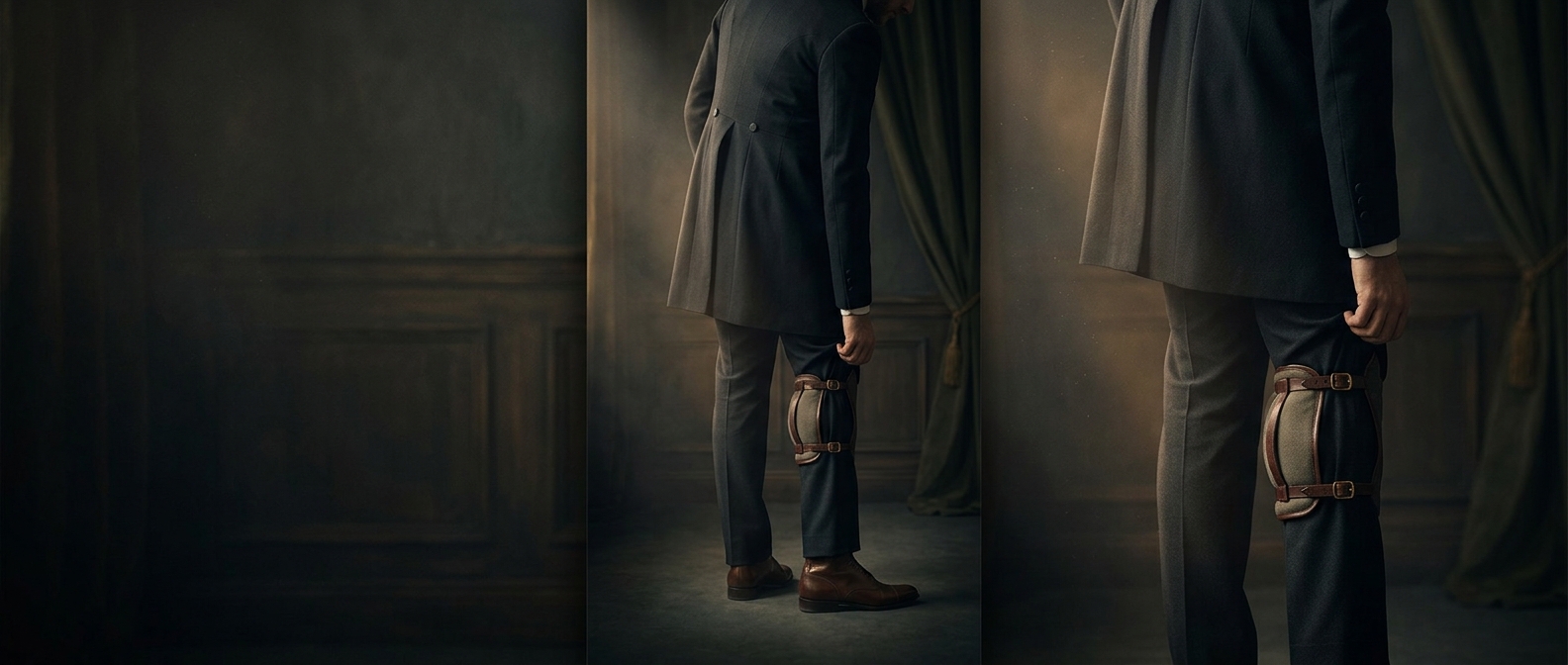
The codpiece began as a practical fix for men’s clothing. In the 15th century, men commonly wore separate leg coverings called hose, which did not meet neatly at the crotch. A shaped fabric piece fastened over the opening, covering the gap and making the outfit more secure and modest.
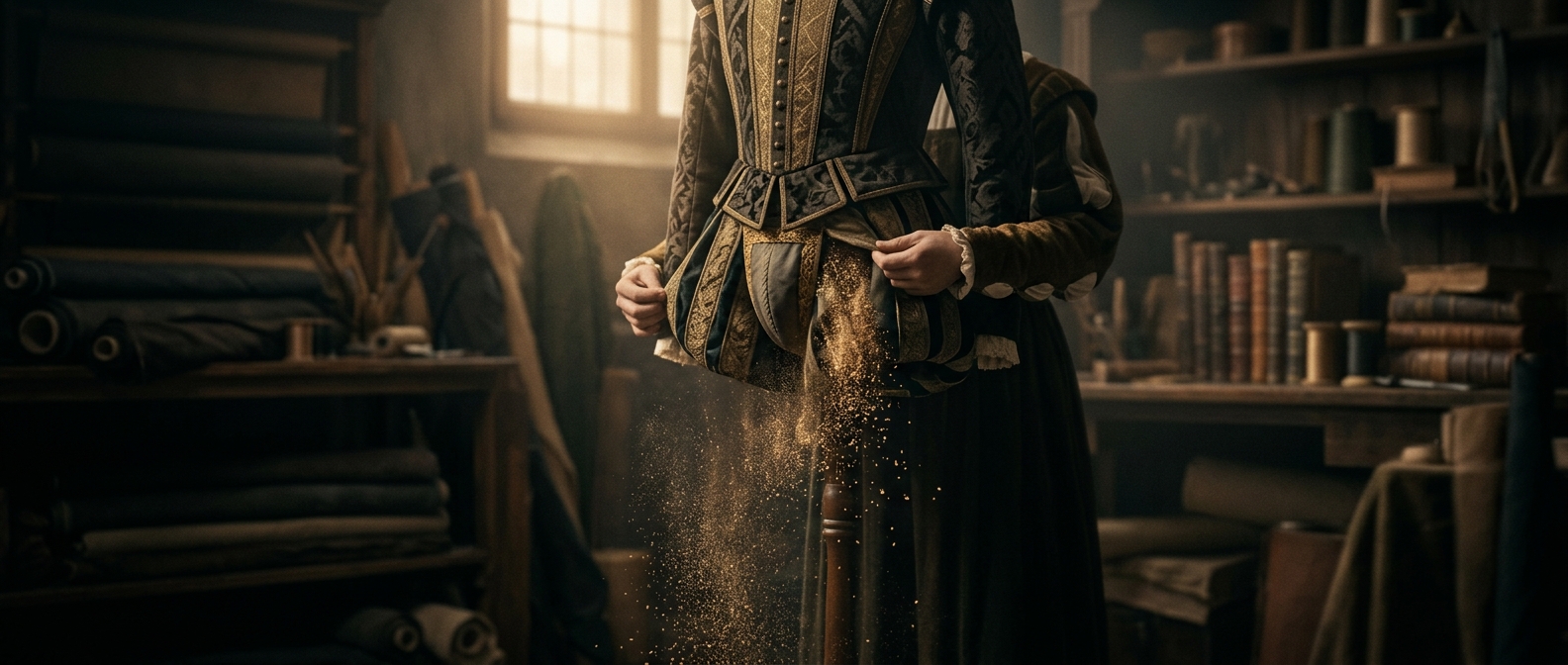
As men’s tunics grew shorter, that once-functional piece became more visible. Tailors could make it conspicuous with bright cloth, embroidery, or a pronounced shape. Some wearers padded codpieces with rags or sawdust to enlarge their outline, turning a small cover into a prominent part of the outfit.
Fashion Made the Message Hard to Miss
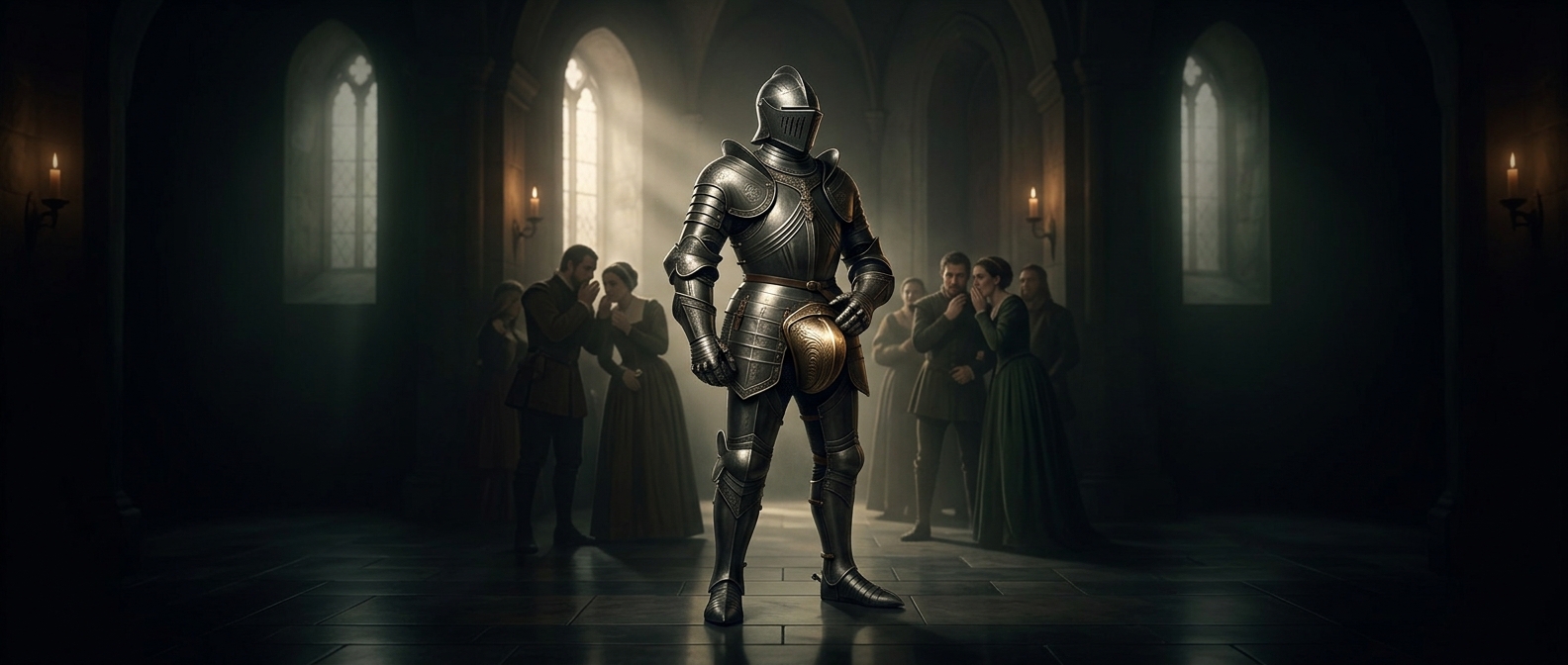
Clothing could signal status as well as protect the body, and a large codpiece made its wearer’s silhouette impossible to overlook. Its shape invited associations with masculinity and sexual potency, whether or not the wearer intended a serious statement. Padding supplied volume; tailoring and display supplied the fashion.
The result was a striking reversal: a garment created to cover a gap became a feature designed to attract attention. What began as a solution to the awkward construction of hose could end up as one of the most conspicuous shapes in a man’s wardrobe.