A network of routes, not one road
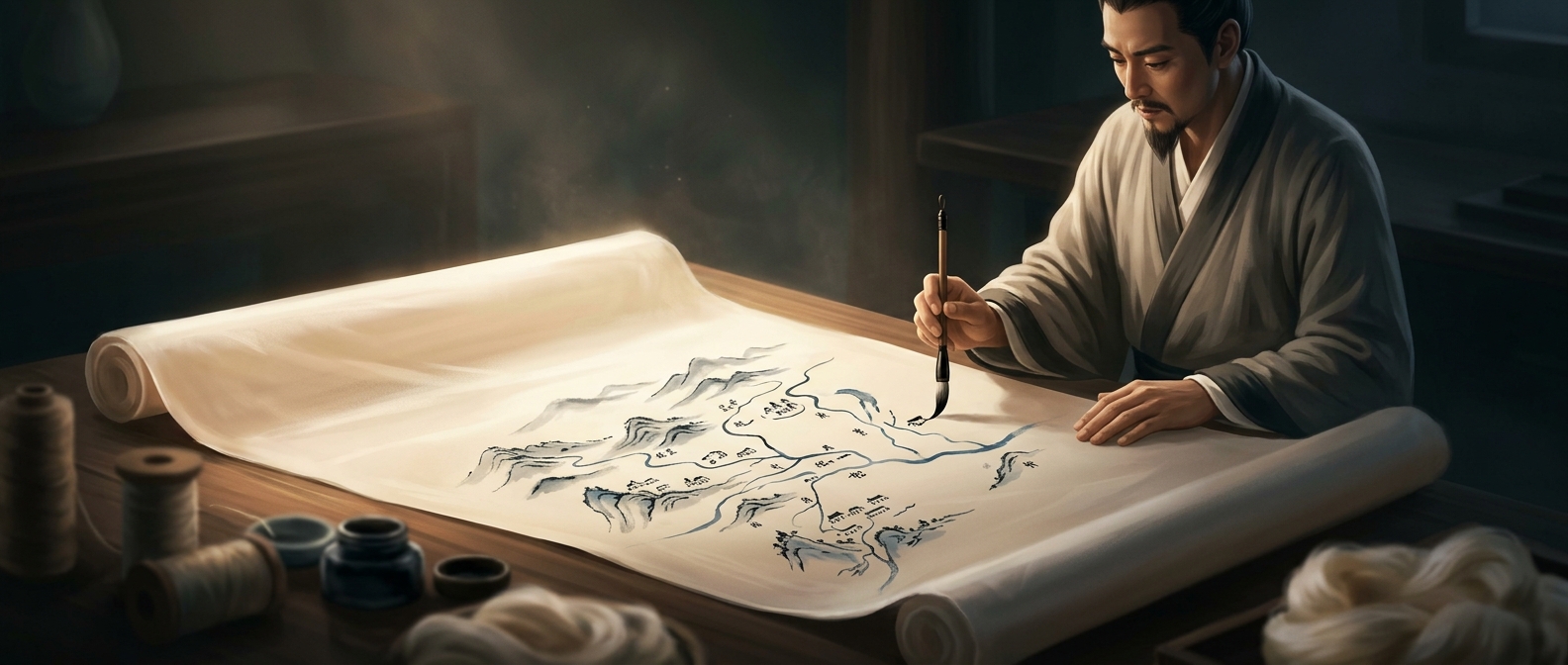
“Silk Road” is a modern name for a shifting web of overland paths linking parts of Asia, the Middle East, and the Mediterranean. Traders moved through familiar stretches between towns, oases, and market centers; there was no single continuous road with one standard itinerary. Geography, local authorities, and the safety of a route all shaped where goods could pass.
How a relay moved goods
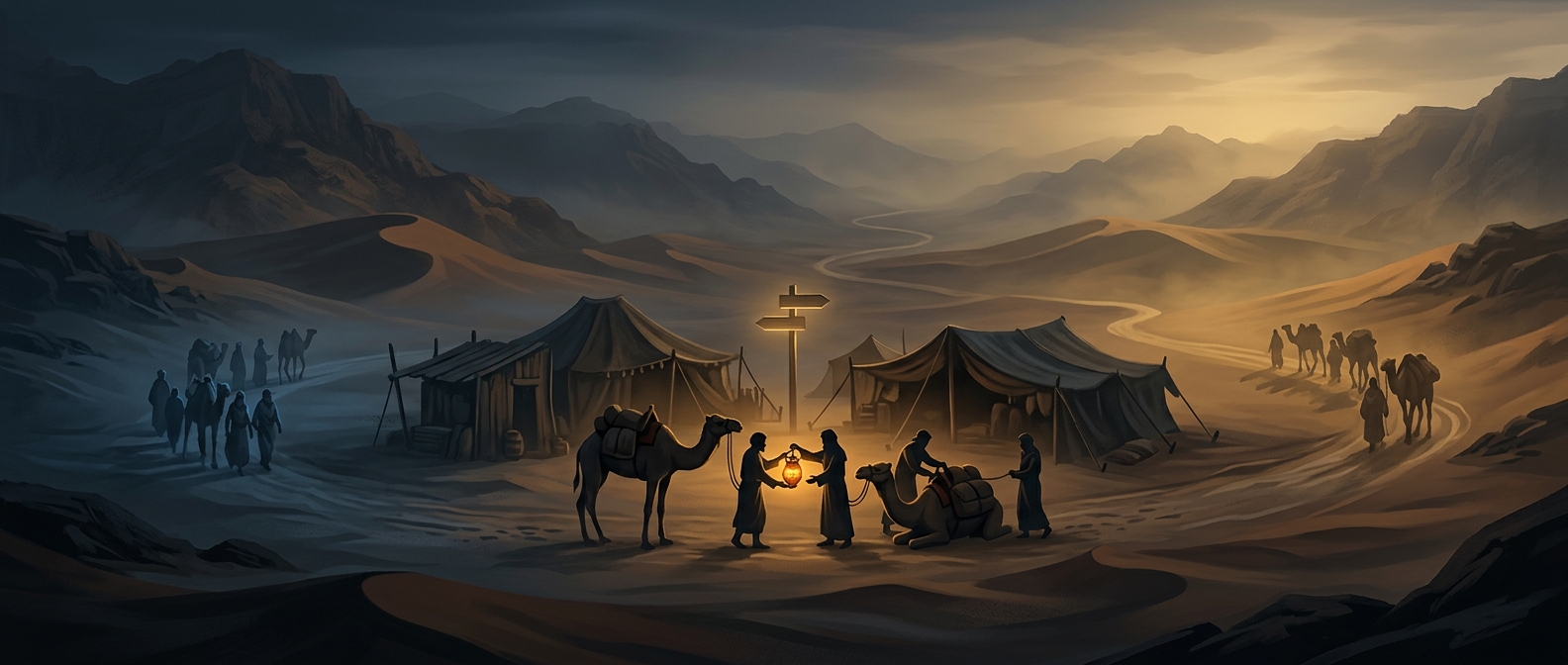
At a trading center, a merchant could sell a load to someone with contacts and knowledge of the next stretch. That trader might carry it onward, or sell it again at another hub. Each exchange added a local link to a much longer chain. Prices reflected not just the object itself but the costs and risks of moving it through successive markets.
This system let commerce span distances that would have been difficult for one trader to manage. A merchant could rely on known languages, partners, and routes close to home instead of arranging provisions, protection, and deals across unfamiliar regions. Caravans helped carry goods over demanding stretches, but the larger trade depended on people and markets at many points along the way.
What traveled with the cargo
Silk was only one part of this exchange. Other goods, techniques, ideas, and religious traditions also moved through the same connected corridors, though not necessarily in one uninterrupted trip. A traveler or a piece of knowledge could pass from one community to another as merchants changed hands and routes.
That is the surprising scale of the network: a product could cross a continent without any one merchant doing so. Its journey was assembled from many shorter trips, each supported by someone who knew the next step.