The walking sticks carried a breeding stock, not finished silk
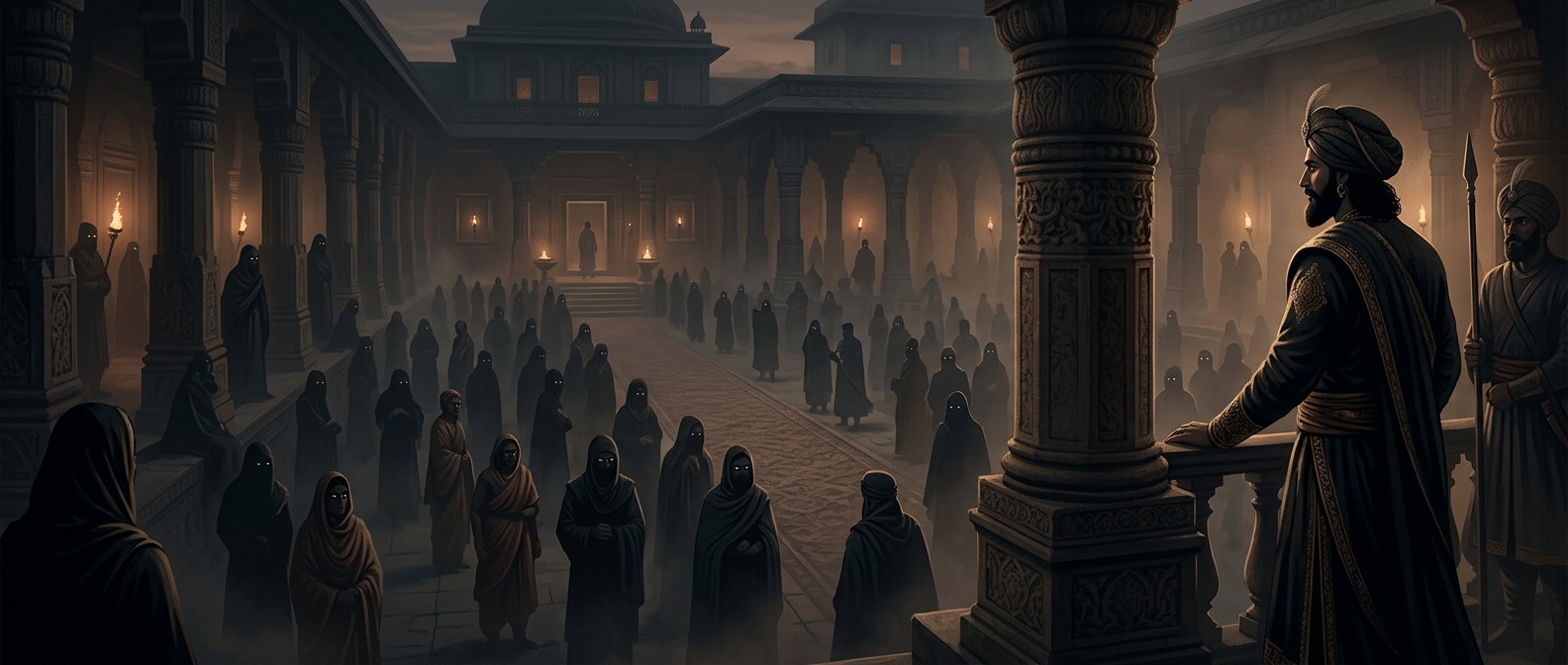
In the mid-sixth century, silk reached the Byzantine Empire through long-distance trade, much of it passing through Persian hands. That gave the Sassanian Empire influence over a luxury good its rival prized. Emperor Justinian wanted more than a cheaper route to imported cloth: he wanted the ability to make silk inside Byzantine territory.
A later account by the historian Procopius describes two monks who had traveled to lands where silk was produced. They returned with silkworm eggs hidden in hollow walking staffs. The story’s memorable detail is the concealment; the real prize was a small, living starting population from which silk production could be built.
Eggs were only the first step
Silkworms are the caterpillars of domesticated silk moths. Their eggs hatch into larvae that must be raised on mulberry leaves. When mature, the larvae spin cocoons from continuous silk filaments. Workers can unwind those filaments to make thread, but the process depends on tending many fragile, hungry insects at the right stage of their life cycle.
So the monks’ delivery did not instantly create a silk industry. It brought the biological means to begin one. Byzantines still needed mulberry supplies, skilled workers, facilities, and enough successful breeding to sustain production. Moving eggs covertly was dramatic; keeping a dependable supply of silk-producing worms alive was the harder, ongoing work.
A crack in the trade bottleneck
The episode mattered because it helped the Byzantines develop silk production of their own, reducing their dependence on imported cloth and the trade routes controlled by rivals. It did not end commerce with Persia or erase Persian influence overnight. Instead, it gave the empire another option: silk could increasingly be produced within its own reach.
The striking consequence is that a luxury textile’s supply chain could turn on something almost invisible. A few eggs hidden in a staff could not replace the merchants, farms, and artisans behind silk—but they could make those institutions possible.