How a Handful of Spikes Could Break a Pursuit
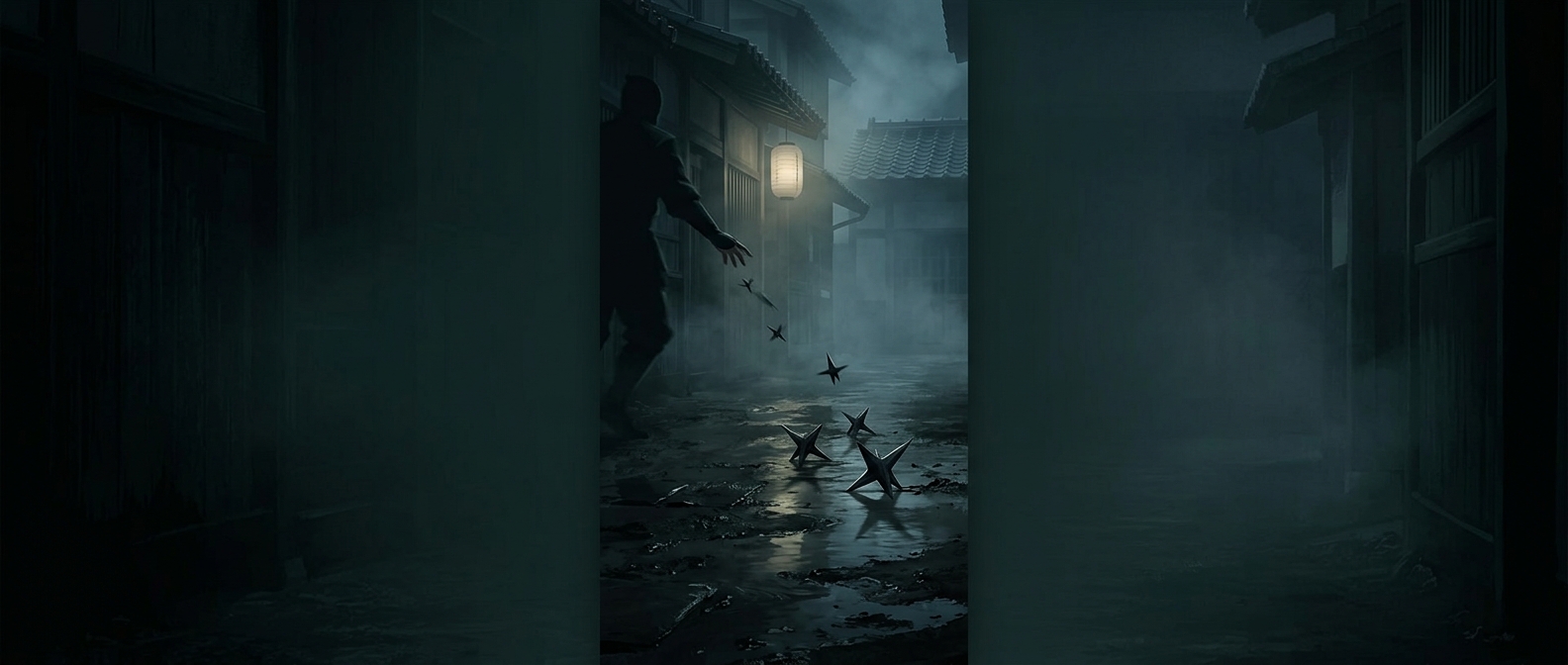
The device was a Japanese form of caltrop, a small spiked object designed to land with a point facing upward. In Japan, such obstacles were known as makibishi. Scattered across a route, they did not need to injure every pursuer: a single painful step could make someone stop, limp, or watch the ground instead of keeping pace.
That mattered because traditional straw sandals offered little protection from a sharp iron point. A pursuer who stepped on one might have to pause to remove it or tend the foot, while those behind faced the same hazard. The spikes turned a clear path into uncertain footing and made a fast chase harder to maintain.
A Delay, Not a Wall
Caltrops were useful precisely because they could be dropped quickly and left behind. Unlike a barricade, they did not have to block the road outright. Their purpose was to impose a cost on following: slow down, take another route, or risk injury. Even a brief delay could give someone escaping a valuable lead.
The trick also had limits. Spikes could threaten anyone using the route, not just the pursuers, and their effectiveness depended on where they landed and whether they were noticed. Their force came from that small uncertainty: after the first painful step, every hurried step forward became a decision.