Why a cup of coffee could look political
In 17th-century Istanbul, a coffeehouse was more than a place to drink. People gathered there to talk, hear news, play games, and exchange opinions beyond the direct supervision of the palace. That did not make every conversation a plot, but it gave rulers reason to view busy public meeting places as potential channels for rumor and dissent.
Sultan Murad IV, who ruled from 1623 to 1640, imposed severe restrictions on coffeehouses and other gathering places. His government sought to control not just what people consumed but where they assembled and what might be said there. A coffee ban was therefore also a way to police public life.
Enforcement as a display of power
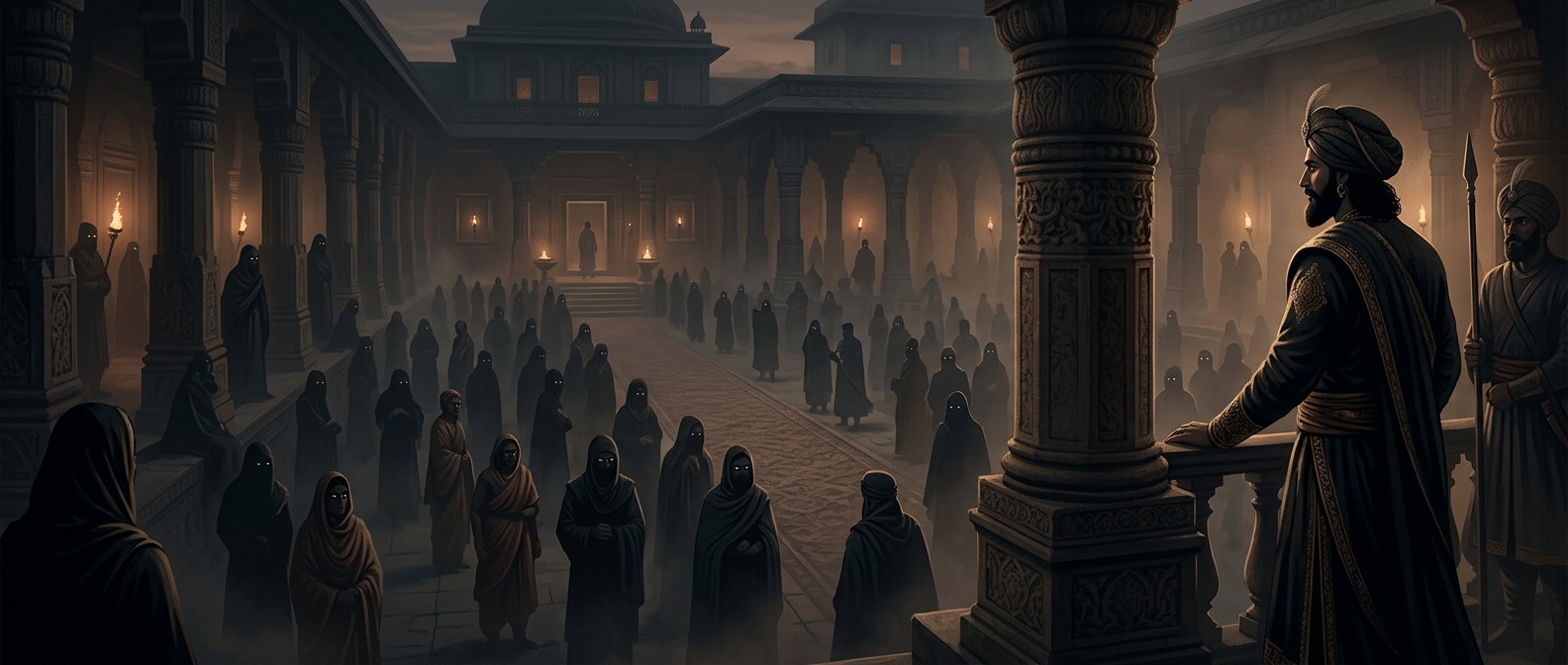
Accounts of Murad’s rule describe harsh punishments for people who defied his prohibitions, and later stories say he sometimes went out in disguise to catch offenders. The tale captures the fear associated with his enforcement, though its most dramatic details—such as a ruler personally surprising a drinker and killing him on the spot—should not be treated as a routine, independently verified procedure.
The threat mattered even without a royal sword appearing at every coffeehouse. When the ruler could punish ordinary behavior severely, a gathering over coffee became a reminder that private habits and public discussion were both subject to state power. The striking irony is that a place built for conversation could be treated as dangerous precisely because people were free to talk there.