Intelligence traveled by the river
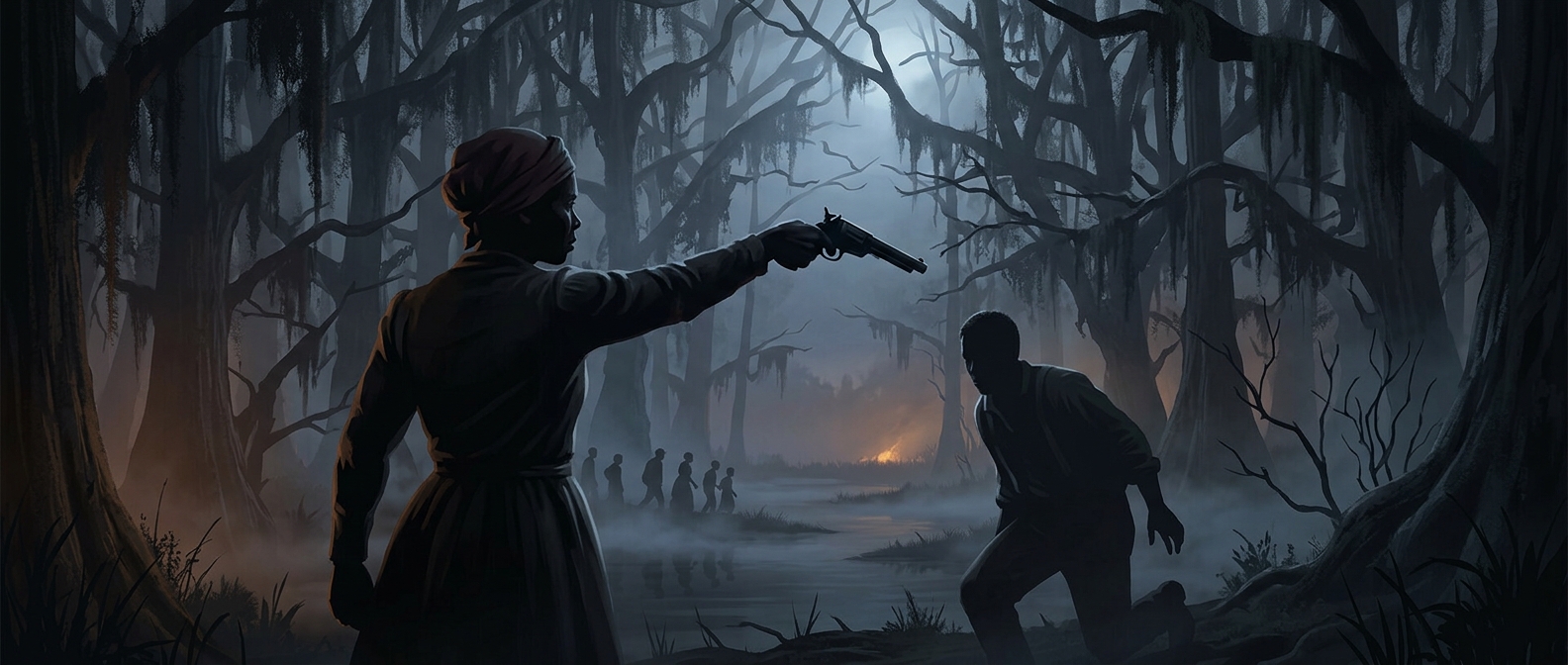
The Combahee River raid depended on more than gunboats. Union forces needed to move through a plantation region where waterways were both routes of access and potential hazards. Harriet Tubman, who had escaped slavery and returned South to help the Union, gathered information from enslaved people and used her knowledge of the area to help plan the operation.
That knowledge could turn a dangerous journey into a navigable one. People living and working nearby knew the river’s passages and the surrounding landscape—details that outsiders could not easily learn from a map. Tubman helped guide the boats through the route at night, while Union troops went ashore at plantations along the river.
A raid that changed who controlled the next move
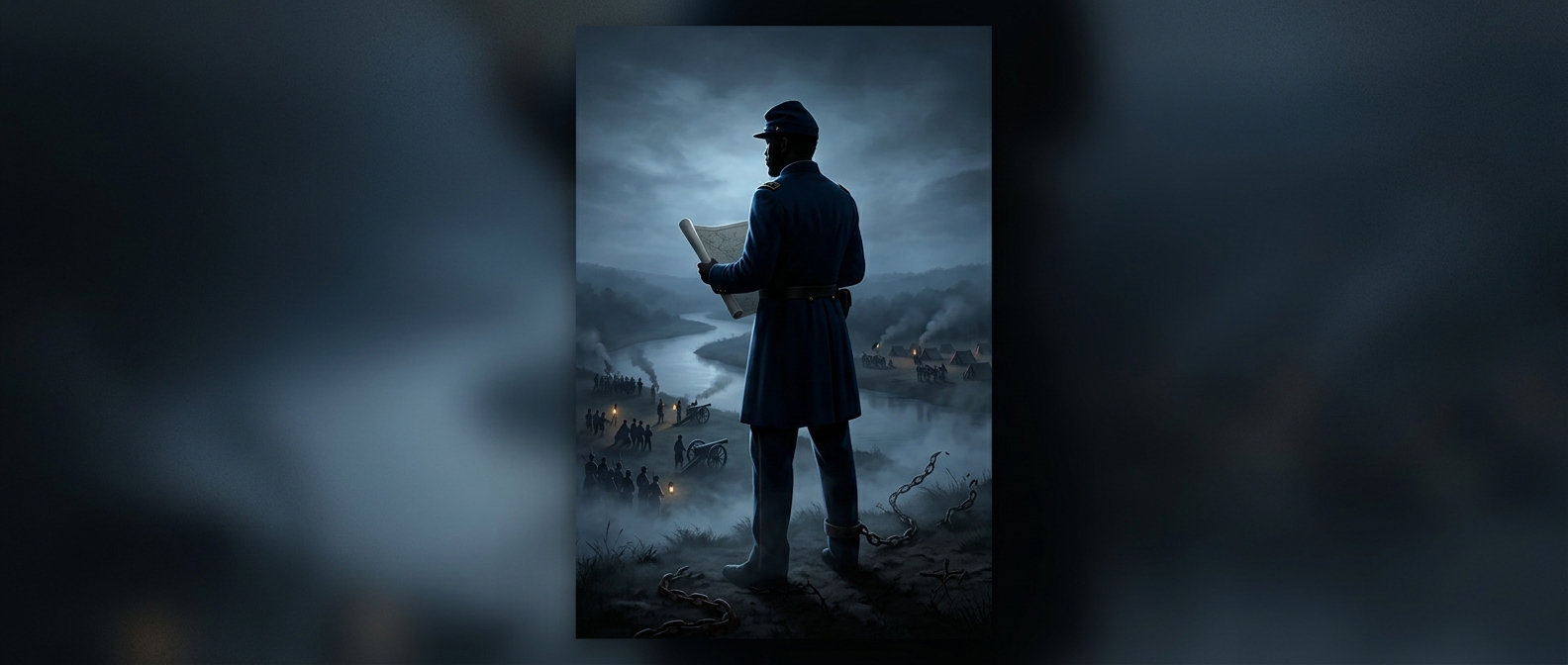
The operation, led by Union Colonel James Montgomery in June 1863, struck at the Confederacy’s hold over the region. Its immediate result was the escape of more than 700 enslaved people. The raid also showed how intelligence gathered from enslaved communities could shape military action: people whom the Confederate system tried to control supplied the information that helped Union forces reach them.
The gunboats did not simply carry troops into hostile territory. They created a way out. For many people who left the plantations that night, the river became a route from forced labor toward freedom.