Why spies entered a fantasy game
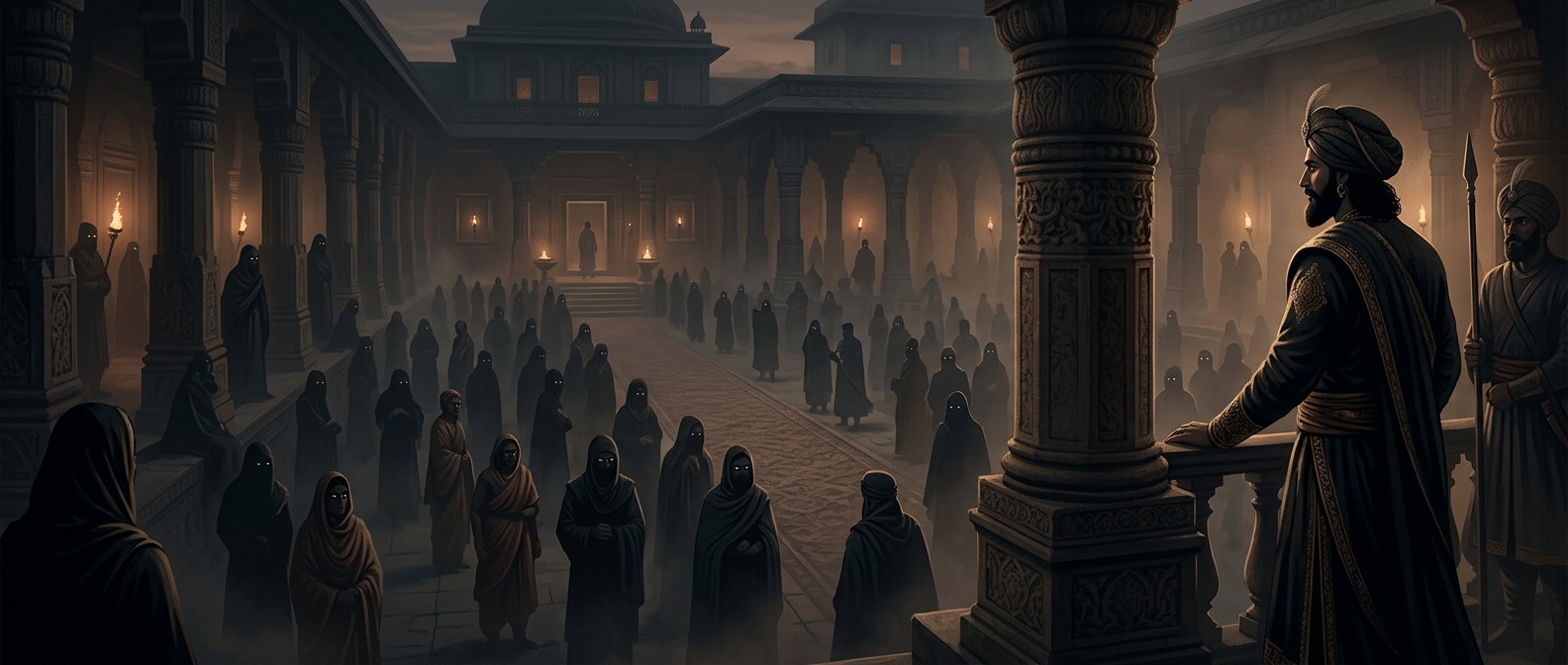
In 2008, intelligence agencies treated World of Warcraft as more than a game world. Players met repeatedly, formed guilds, chatted, and built networks through their characters. To an agency looking for hidden contacts, those habits could make a virtual world useful: people might communicate there under usernames rather than their real names.
Leaked classified documents later showed that the NSA and CIA placed personnel inside online games, including World of Warcraft. The goal was to look for possible terrorist use of the platforms and to identify people and relationships that might otherwise be hard to see. An avatar could offer a way to observe a player’s activity and social connections without first knowing who that person was offline.
The value—and limits—of a virtual identity
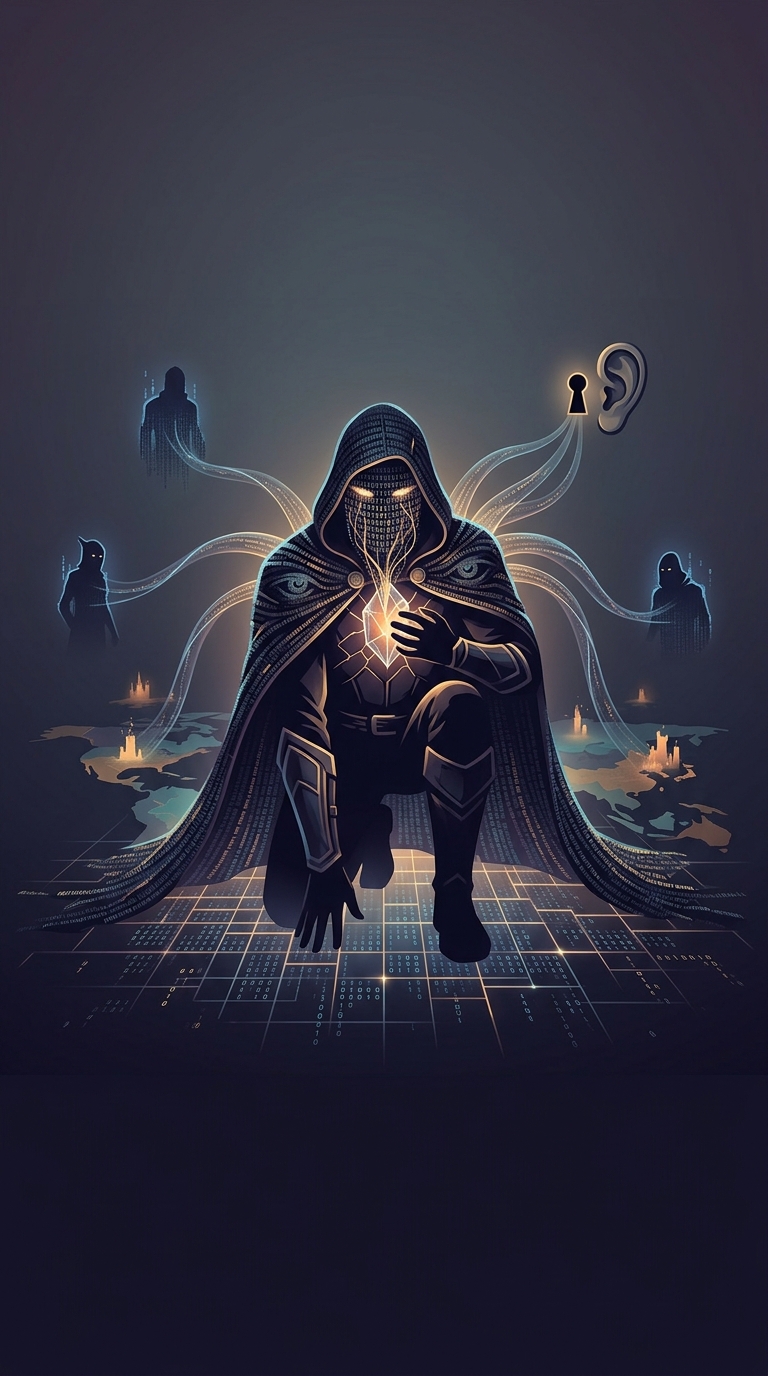
The attraction was the social structure, not the dragons or quests. A guild could bring the same players together over time; chat and in-game relationships could reveal who interacted with whom. That kind of information is called metadata: details about connections and activity, rather than necessarily the content of every conversation.
But a character name was not proof of a person’s real identity, and unusual behavior in a game was not proof of a criminal plot. The documents show that agencies saw online games as a potential intelligence environment; they do not establish that World of Warcraft was a major terrorist tool. The striking consequence was that an ordinary guild meeting could become visible to government surveillance simply because it took place inside a networked world.