Turning the aswang into a weapon
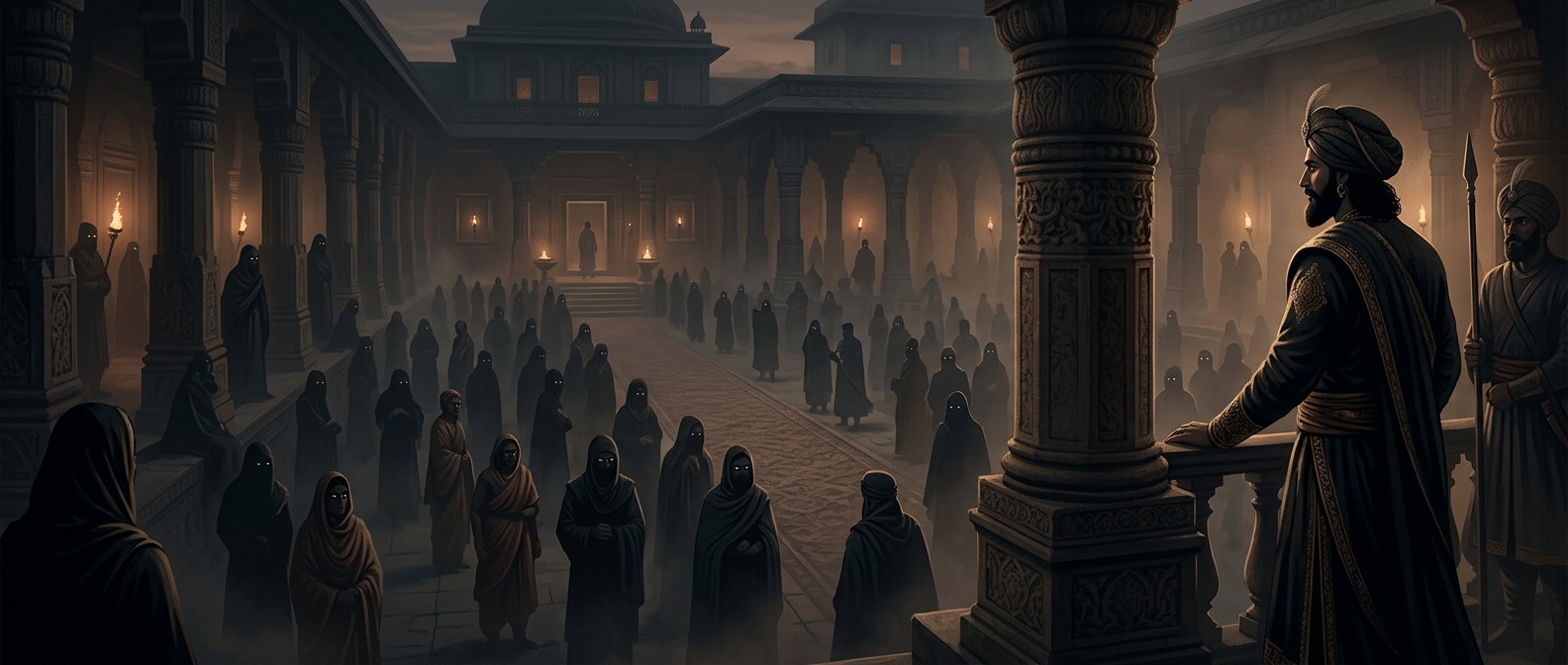
The aswang is a figure in Philippine folklore, often described as a shape-shifting creature that preys on people at night. In accounts of a 1950s counterinsurgency operation, U.S. psychological-warfare personnel drew on that familiar fear to unsettle Hukbalahap rebels sheltering in the jungle. Psychological warfare means using messages and actions to influence an opponent’s morale and choices, rather than trying to defeat them in a direct fight.
The tactic made folklore seem to have entered the rebels’ own territory. An insurgent was captured and killed; his neck was punctured, and his body was left along a trail in a way meant to suggest an aswang attack. The point was not to persuade anyone with an argument. It was to make a dangerous place feel haunted by a threat the rebels could not easily see or fight.
Fear did the work of a patrol
A guerrilla stronghold depends on more than concealment. Fighters also need confidence that they can move, sleep, and gather supplies without facing danger at every turn. A grisly scene interpreted as an aswang’s handiwork could make staying put seem riskier than leaving. Accounts say the rebels abandoned the area afterward.
That response illustrates the operation’s practical logic: a staged act could exploit local stories to create uncertainty and pressure without a conventional assault. Its effect depended on the audience recognizing the folklore and taking the apparent evidence seriously. The jungle trail became part of the message—and, for the fighters who left, a warning that even familiar ground might no longer feel safe.