Krystyna Skarbek turned a symptom into an escape plan
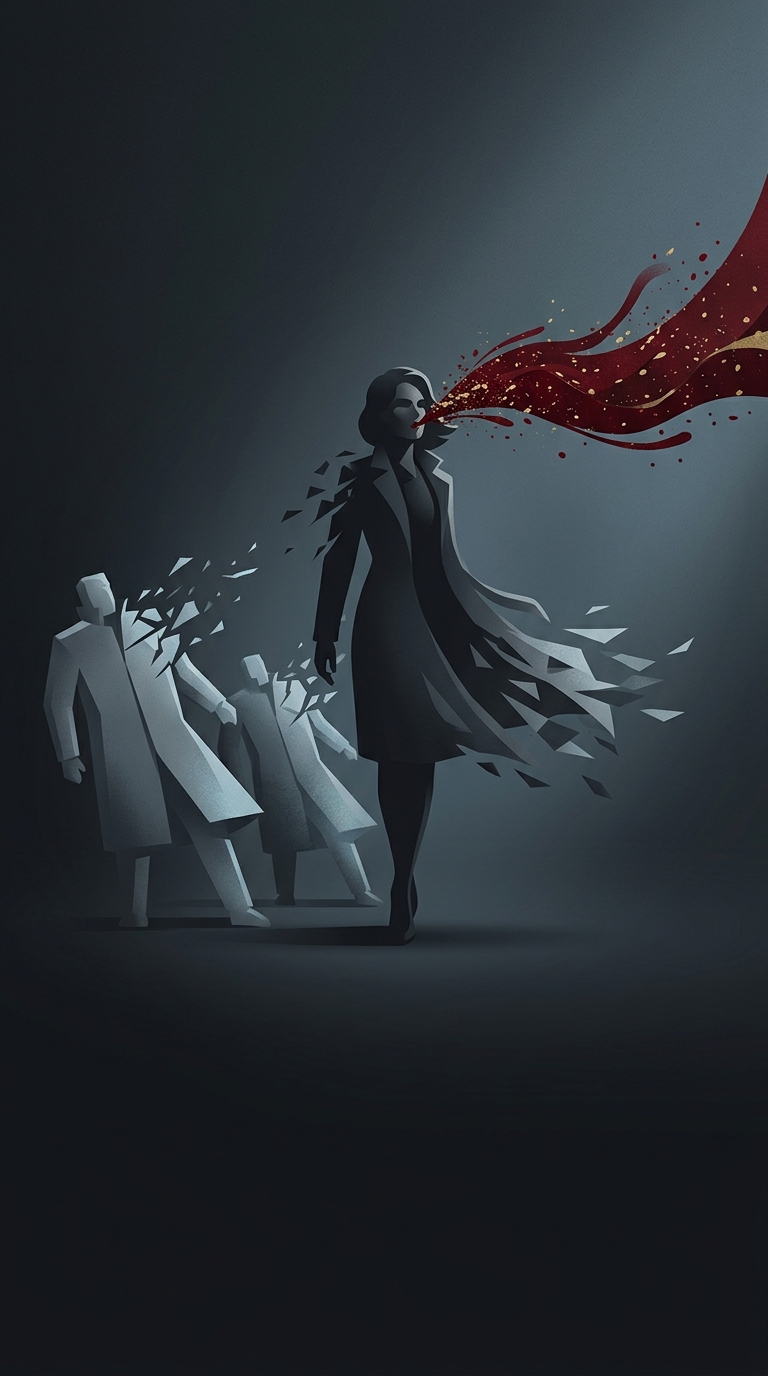
In 1941, Polish-born agent Krystyna Skarbek was arrested by German authorities in Hungary. During interrogation, she bit her tongue until it bled, then made the blood look like a sign of tuberculosis. The danger she suggested was not that the blood itself contained visible “bacteria”: tuberculosis spreads mainly through the air when an infected person with active disease coughs or speaks.
That distinction made the performance useful. Her captors could not easily check her claim on the spot, but they understood that keeping a contagious prisoner close could put them at risk. Skarbek used that fear to help secure her release, along with fellow agent Andrzej Kowerski. It was a calculated gamble: she had to make a convincing display without letting the injury itself overwhelm the story.
A small deception served a much larger mission
The escape fit the practical demands of clandestine work. Britain’s Special Operations Executive sent agents into occupied Europe to gather intelligence and support resistance movements. Skarbek had already crossed mountain routes on skis to carry information and supplies, including explosives. Such journeys depended on moving through borders and checkpoints without drawing attention; when stealth failed, quick improvisation could matter just as much.
Her tuberculosis ruse worked by changing the calculation facing her captors. Instead of treating her only as a prisoner to interrogate, they had to consider the possibility that keeping her nearby was dangerous. A few drops of blood could not prove she had the disease—but, under pressure and without reliable testing at hand, they helped make the risk feel real. That is what turned a self-inflicted wound into an opening.