Why the cigar seemed like a weapon
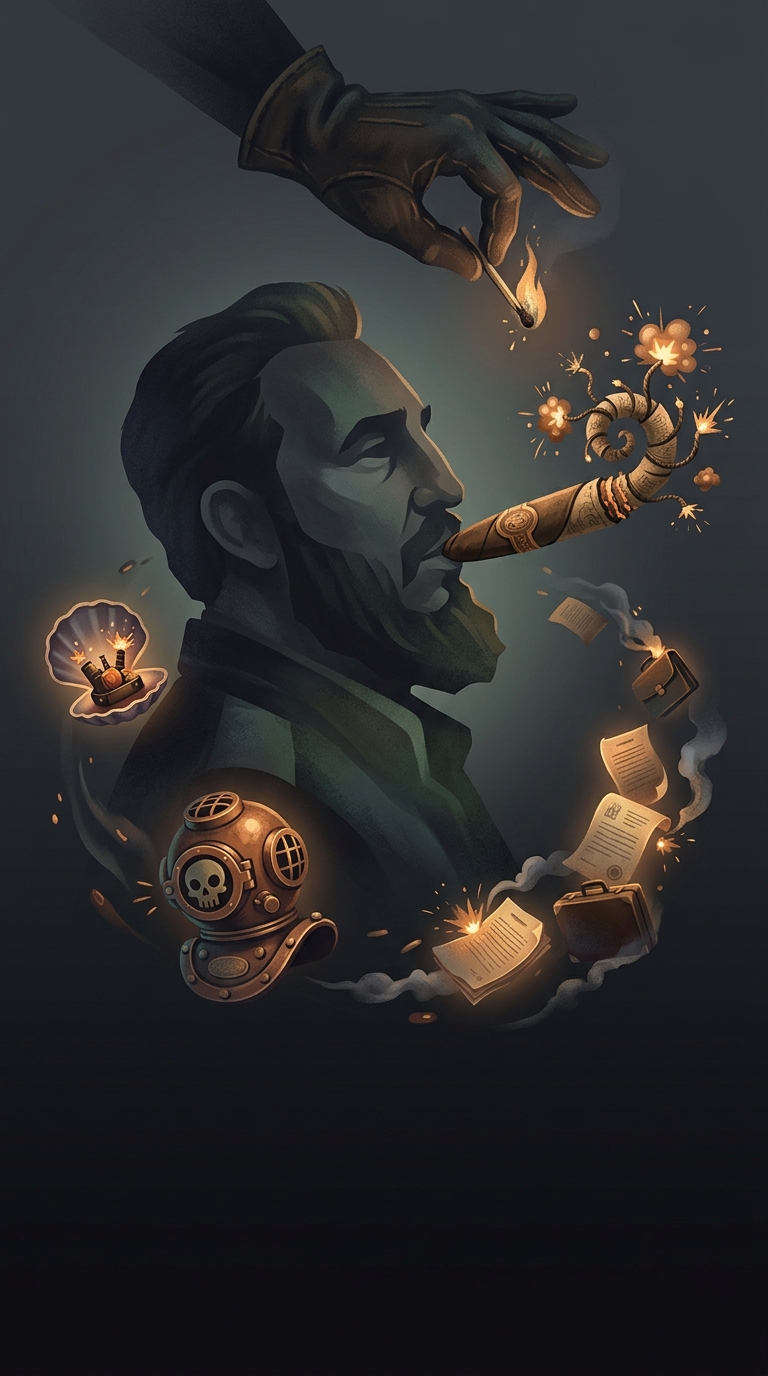
The schemes grew out of a practical problem: Castro was heavily guarded, and a direct attack could expose Washington’s role or trigger a wider crisis. CIA planners therefore looked for ways to turn ordinary objects and routines into weapons. A cigar was tempting because Castro was famously fond of smoking; a small explosive hidden inside one might, in theory, reach him without an obvious armed assault.
But an idea on paper was not an operation. The plotters still needed a reliable way to get the cigar to Castro, ensure he used it, and make the device work as intended. Each step depended on access and circumstances the agency could not control. The same problem bedeviled proposals involving a poisoned diving suit or a booby-trapped seashell: they imagined a clever delivery mechanism, but did not solve the harder question of how to place it where Castro would encounter it.
Secrecy made the plots harder, not easier
The CIA wanted both a successful attack and distance from it. That meant relying on intermediaries, covert contacts, and methods that would not point plainly back to the U.S. government. Those layers could preserve deniability, but they also added opportunities for a plan to fail before it reached its target. An elaborate device was no substitute for dependable access.
The plots emerged amid the escalating U.S.–Cuba conflict after Castro’s revolution and Cuba’s growing ties to the Soviet Union. They were not merely eccentric inventions: they reflected a willingness to consider assassination as part of covert policy. Later congressional investigations brought details of the schemes into public view, turning secret planning into a lasting embarrassment—and a warning about what can happen when secrecy shields extreme ideas from ordinary scrutiny.
Their comic reputation comes from the contrast between the agency’s global power and the almost theatrical devices it considered. Yet the deeper failure was more basic: planners could imagine ingenious ways to kill Castro, but could not reliably control the human chain needed to carry them out.