Why Bunker Hill soil reached a Paris grave
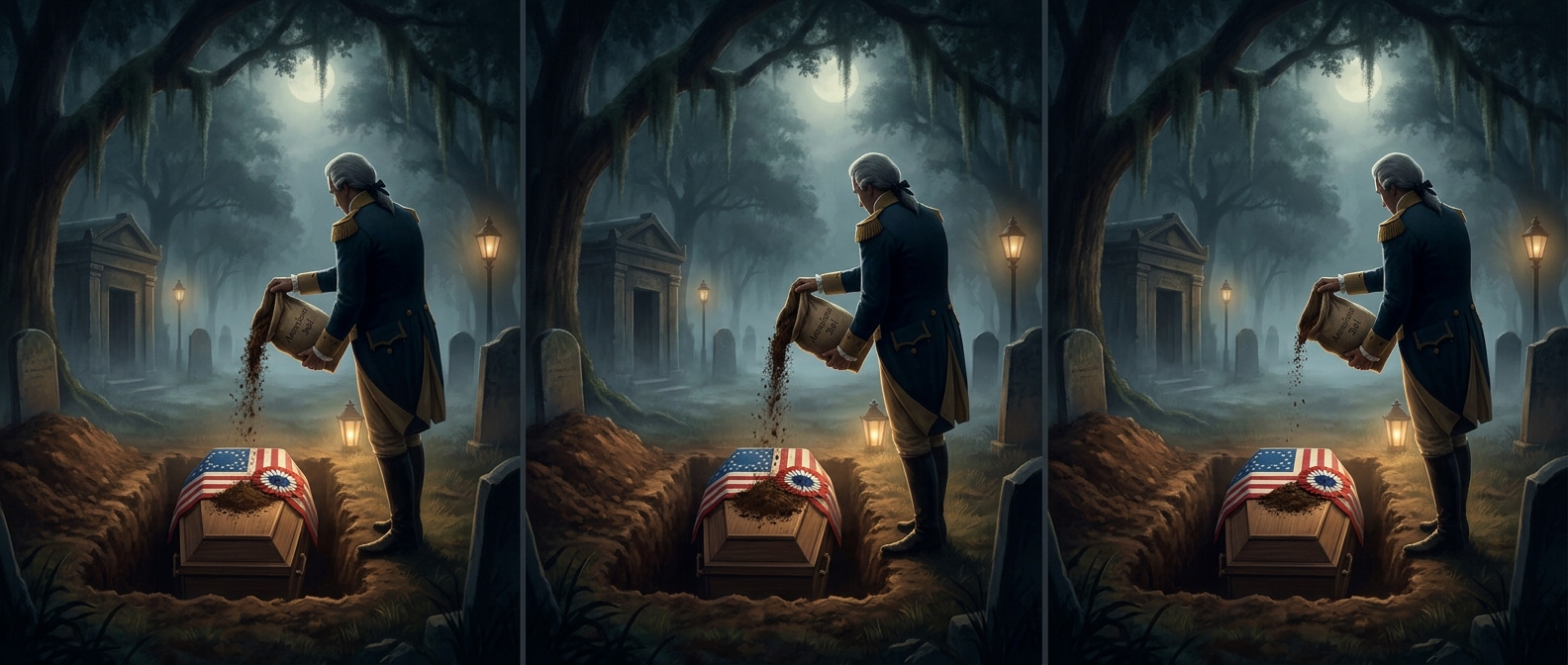
Lafayette’s burial joined two places that shaped his life. He was a French officer who crossed the Atlantic to support the American Revolution, becoming a trusted ally of the Continental Army and George Washington. He later returned to France, where he died in 1834. His grave was in Paris, but he had arranged for soil from Bunker Hill to be placed over it.
The soil made a distant battlefield physically present at his resting place. Bunker Hill, near Boston, was the site of an early, costly battle in 1775. British forces took the position, but the fighting showed that the colonists could stand against a professional army. For Lafayette, the ground represented the struggle he had joined—not simply the country he had helped fight for, but the cause that had bound him to it.
A small piece of America, kept in France
Lafayette could not be buried in the United States: his life and death were in France. Bringing American earth to his Paris grave offered a tangible answer to that distance. The gesture did not move his burial across the ocean; it let the place where he rested carry a piece of the American landscape he wished to be connected with.
The detail is striking because it turns a political bond into something almost literal. A handful of soil from a battlefield crossed the Atlantic and settled over a Frenchman’s grave, making his chosen resting place both Parisian and, in a small but meaningful way, American.