Why Asakusa’s temple streets filled after dark
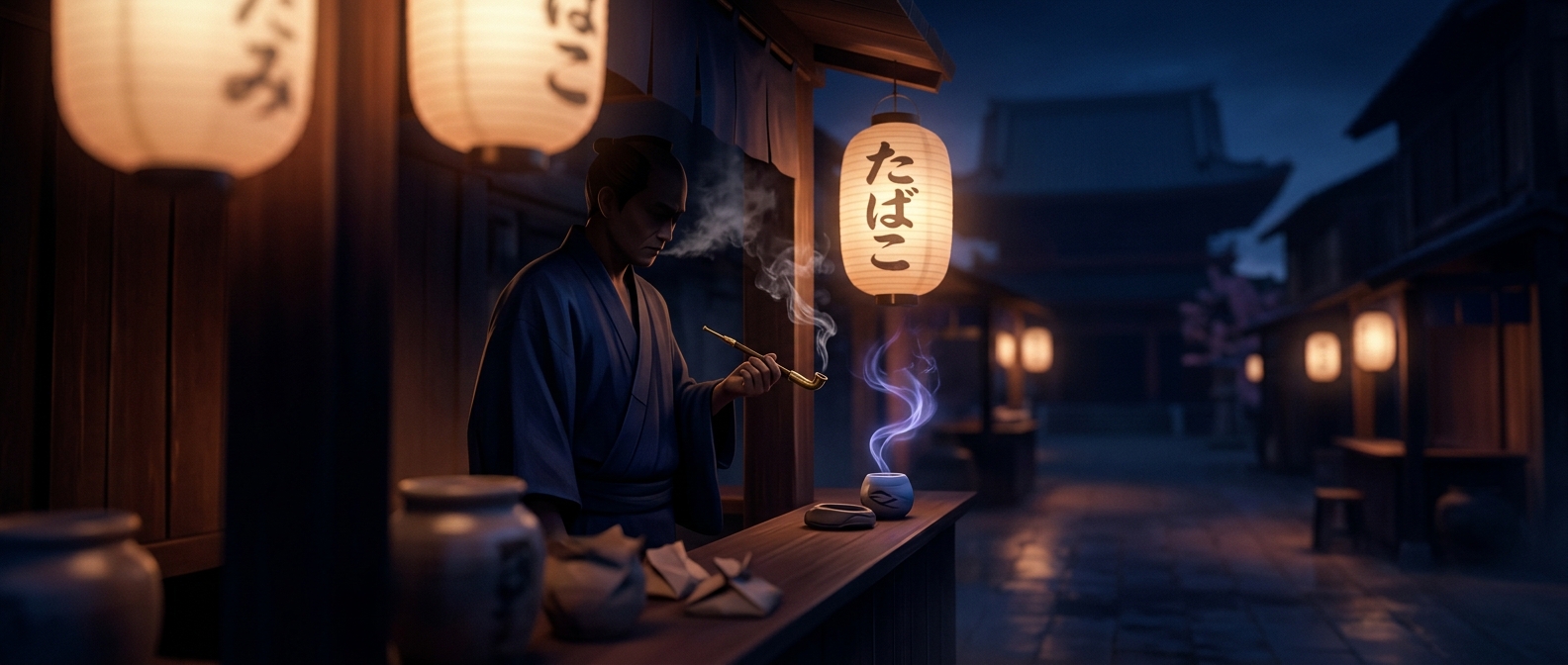
In Edo, a temple precinct was more than a place to pray. Around Sensō-ji in Asakusa, worship drew people into a busy district where shops, food sellers, and entertainers could serve both visitors and local residents. After sunset, lanterns made stalls and performances easier to find, while the concentration of attractions gave people a reason to linger rather than head straight home.
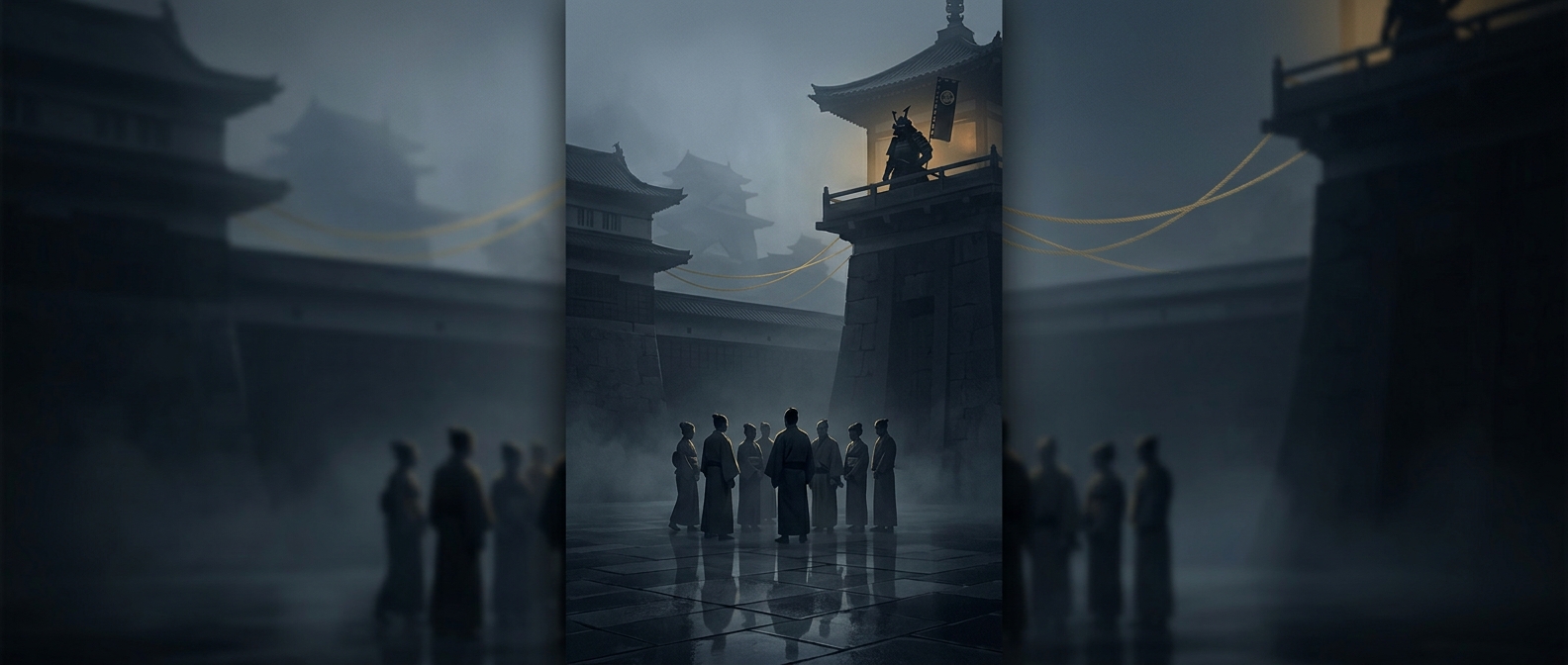
That setting brought together people who ordinarily occupied very different places in society. Commoners and artisans came to browse or eat; samurai could appear there when off duty. The same tight lanes carried shoppers toward vendors and crowds toward entertainment, including kabuki. People did not need to share an occupation or rank to share an evening’s route.
A crowded aisle was not a class-free world
The mixing was real, but temporary. Edo society remained sharply ranked, and being in the same crowd did not erase differences in status, wealth, or authority. Nor did every visitor experience the district in the same way: some came to spend, others to sell, perform, supervise, or simply watch.
What made the night scene distinctive was the brief overlap of everyday social worlds. Under lantern light, a samurai and a craft worker might encounter the same food stall or performance, even though they returned to unequal lives once the crowd dispersed. The market’s shared aisle was a small but vivid feature of urban life: public entertainment could bring people close without making them equals.