
A closer look
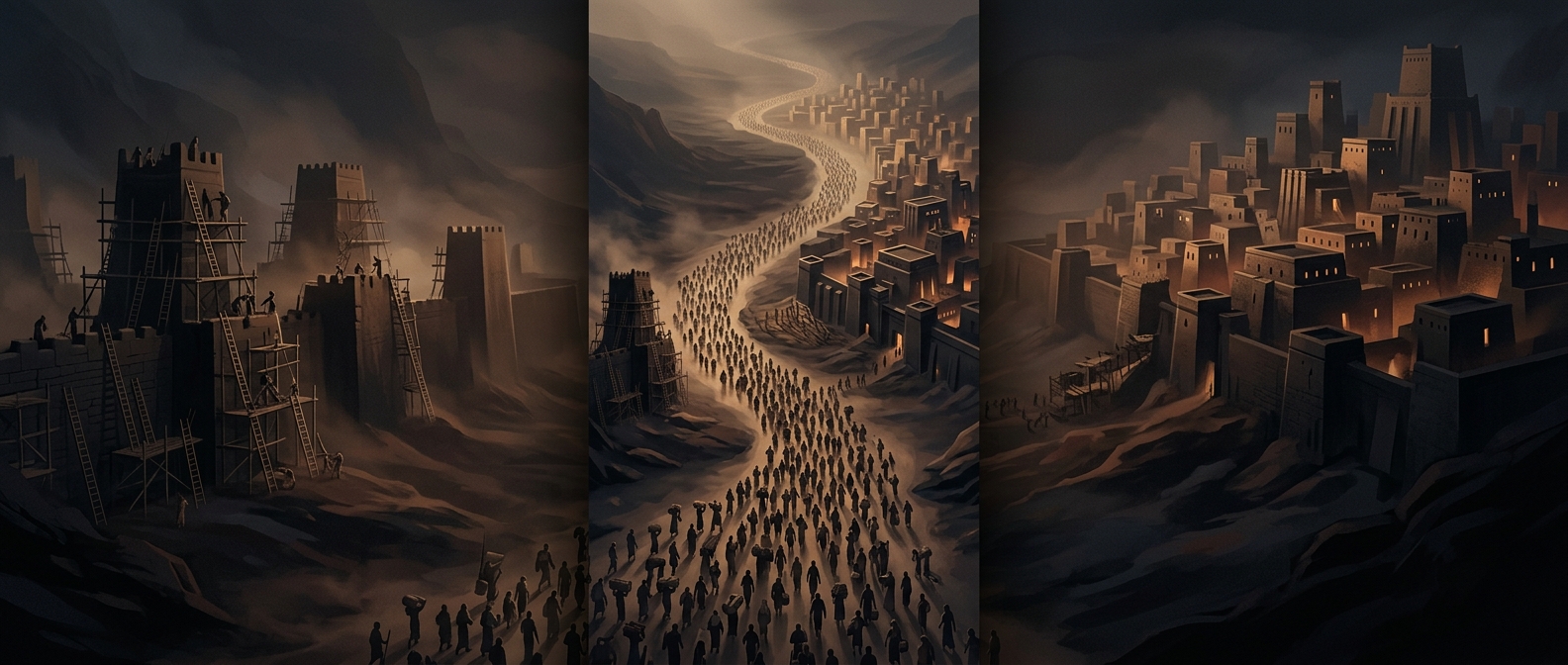
Modern city was shaped less by politicians than by a quiet, gray substance poured into molds. Reinforced concrete, perfected in the late 19th and early 20th centuries, suddenly made tall, cheap, and fast construction possible. Apartments could stack, highways could float over neighborhoods, and parking garages could multiply cars like rabbits. Yet the very material that enabled mass housing also helped destroy historic districts and green spaces in the name of progress. Entire communities were displaced to make room for concrete freeways, especially in poorer and minority areas. Now, many of those structures are decaying faster than expected, while older stone buildings still stand. History’s twist is that the symbol of modern permanence turned out to age badly. As cities rethink their futures, they are quietly asking whether the concrete era has peaked.