Why Industrial Cities Built So Much Cheap Housing
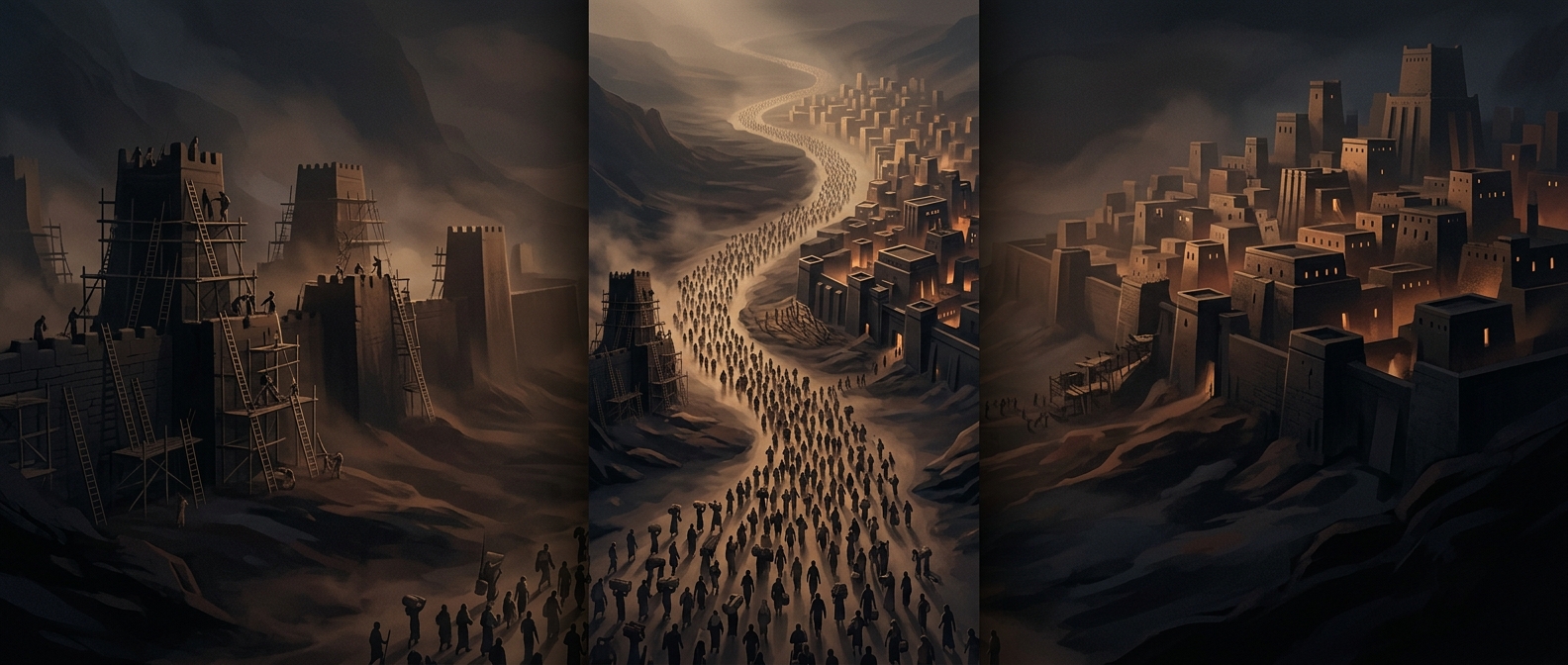
Factories and mills needed more workers than nearby towns could supply. As people moved from rural districts—and, in many cities, from other countries—housing demand rose faster than construction. Landlords responded by dividing existing buildings into small apartments and putting up dense rows of inexpensive homes close to jobs. “Tenement” usually refers to this kind of crowded, low-cost urban housing, though the term and living conditions varied from city to city.
The location mattered as much as the buildings. Workers could walk to shifts, shops, and markets, while relatives and neighbors often helped newcomers find rooms or work. Over time, streets and blocks developed their own social networks and businesses.
How Necessity Shaped Culture
Small kitchens encouraged practical cooking with affordable ingredients; shops and food sellers carried familiar foods to people far from home. Shared courtyards, stairwells, cafés, and street corners created places to meet, exchange news, and make music. Languages and slang changed through daily contact among neighbors, generations, and newcomers.
These cultural forms did not spring automatically from overcrowding, and hardship itself was no gift. People made traditions under difficult conditions, drawing on memories, skills, and relationships. The crowded neighborhood provided proximity; its residents supplied the creativity.
From Working District to Cultural Quarter
Some districts later became known for distinctive food, music, or speech even as factories closed and residents moved elsewhere. Their reputation could attract visitors and investment, but rising rents and redevelopment could also push out the communities that built the local culture. A neighborhood’s familiar character, then, may be both a living tradition and the trace of an earlier laboring population.