
A closer look
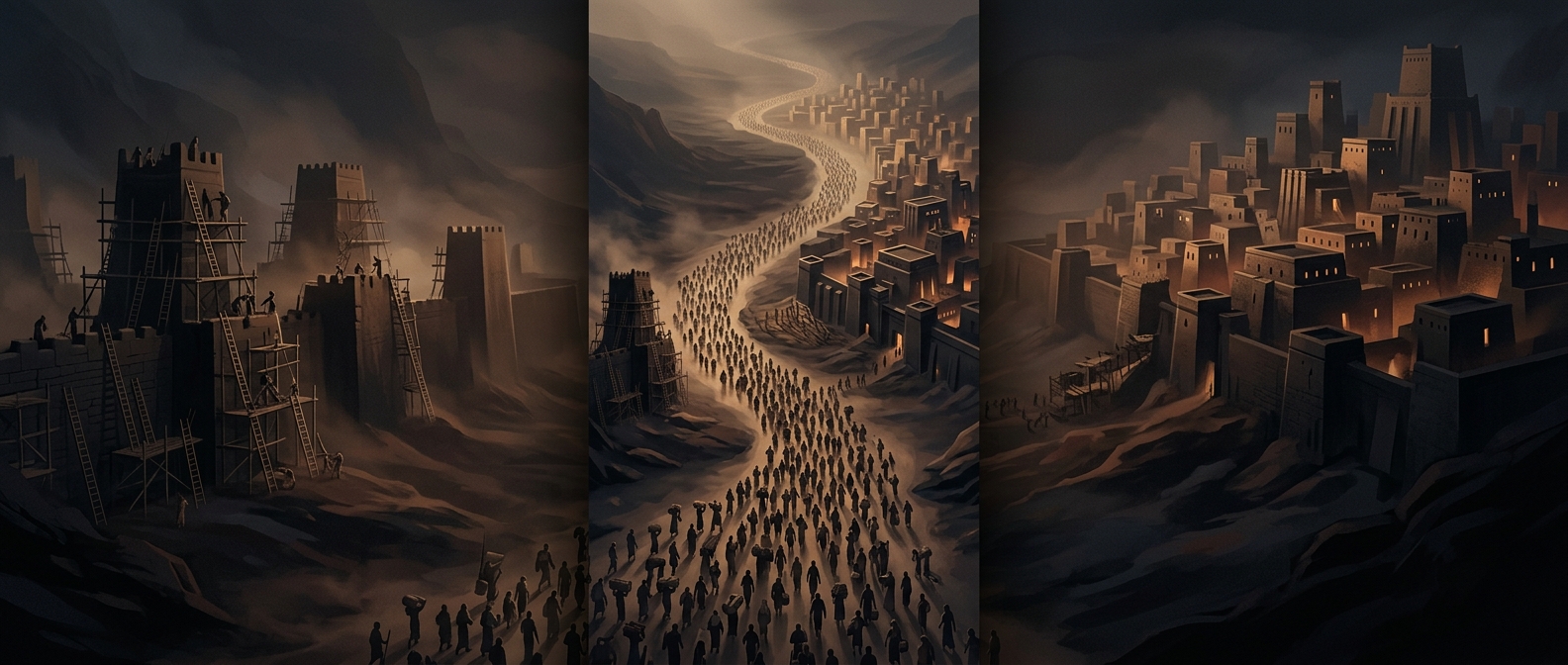
Before skyscrapers and highways, North America already had a metropolis that rivaled European capitals. Around the year 1100, the city of Cahokia, near present-day St. Louis, hosted perhaps 10,000–20,000 people, with vast earthen mounds, plazas, and complex trade networks stretching across the continent. At its peak, it was larger than London. Yet most people raised on standard school history never hear its name. Environmental strain, political turmoil, and shifting climate likely contributed to its decline long before Europeans arrived. The mounds were later farmed over, built upon, or dismissed as curiosities by settlers who could not imagine Indigenous Americans building cities on that scale. Cahokia's story disrupts the lazy stereotype that the Americas were an almost empty wilderness waiting for 'civilization.' Advanced urban life already existed; it was simply ignored, erased, or downplayed.