History
Discover facts about history. Small discoveries that change the way you see familiar things.
History
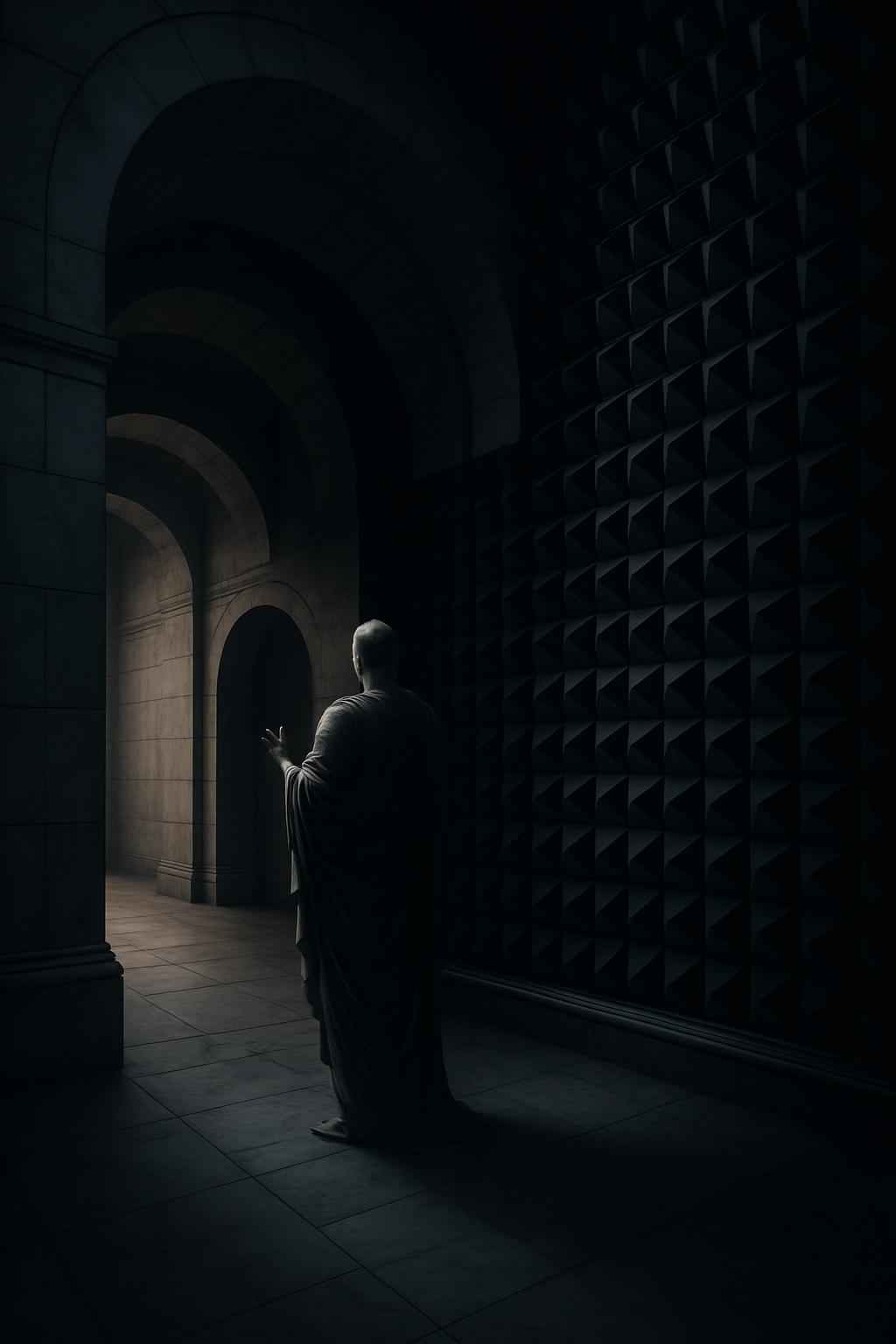
A Roman bathhouse made Seneca practice what he preached.
A Roman bathhouse made Seneca practice what he preached. Writing from lodgings above a bath, the Stoic listed grunting exercisers, splashing swimmers, food…
Discover more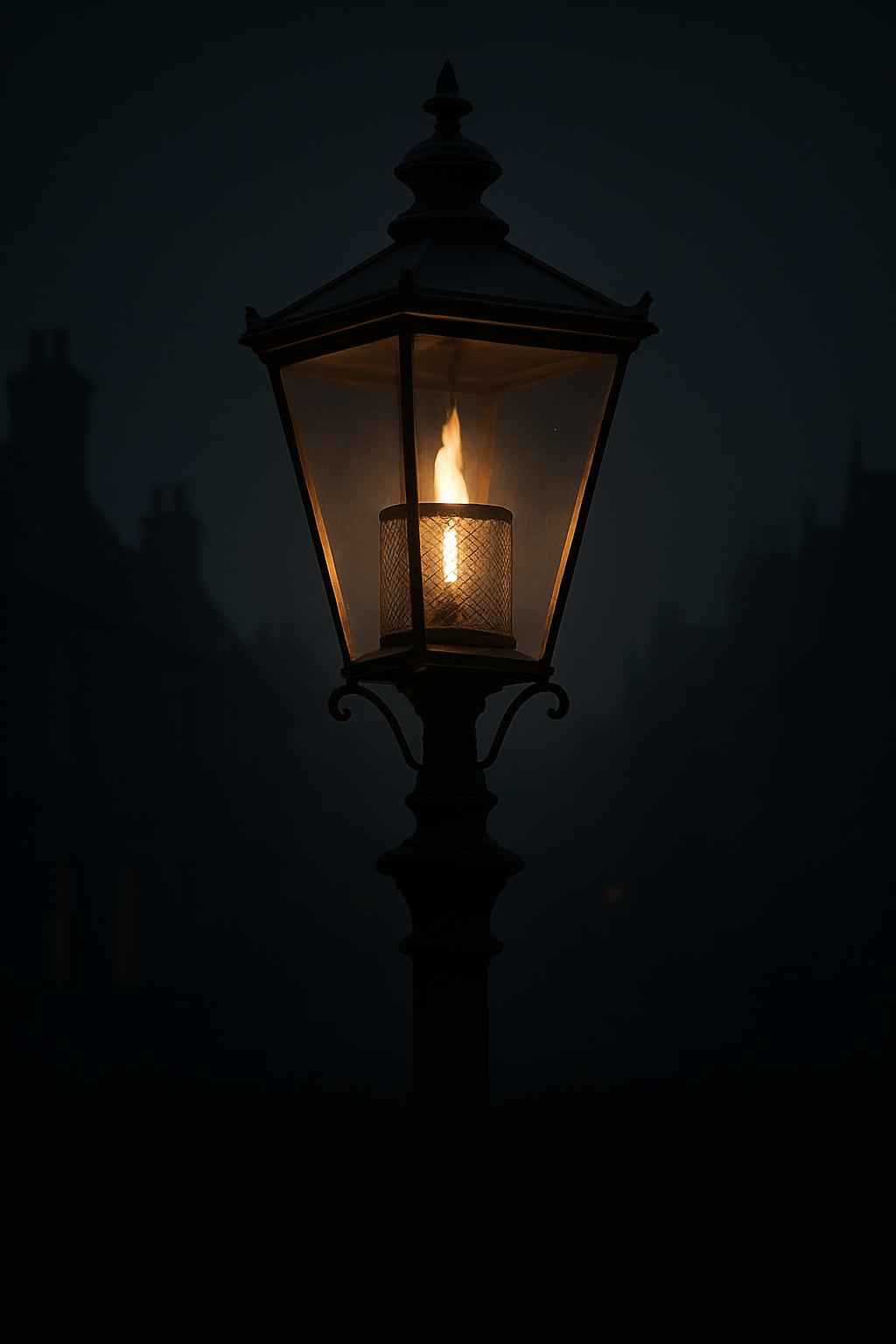
In Victorian London, the fear wasn’t darkness — it was explosion.
In Victorian London, the fear wasn’t darkness — it was explosion. A child’s dropped match could ignite leaking gas beneath the streets. Inventors enclosed…
Discover more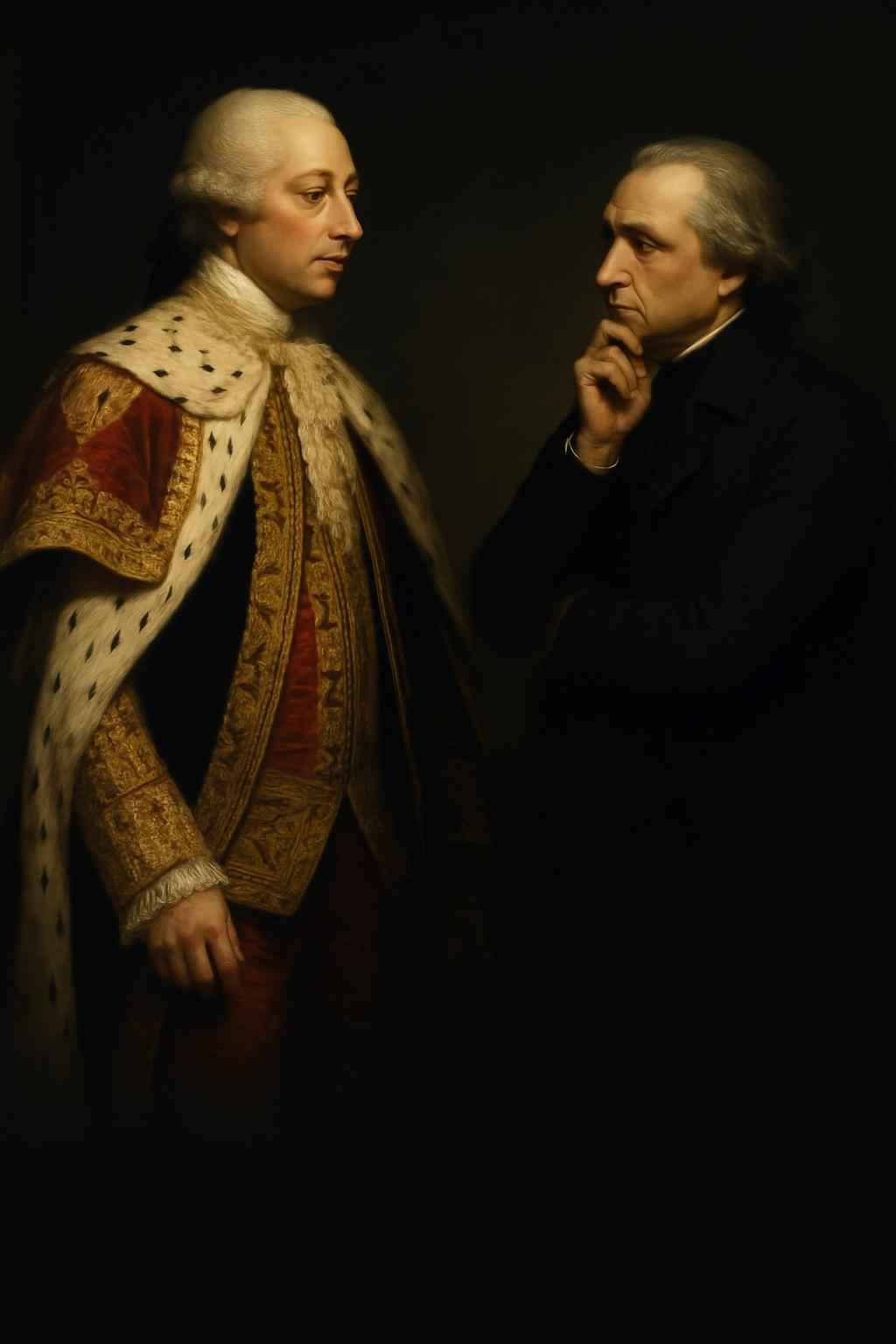
In 1783, after the American Revolution, King George III quietly met the painter Benjamin West.
In 1783, after the American Revolution, King George III quietly met the painter Benjamin West. West mentioned rumors that Washington might become king, and…
Discover more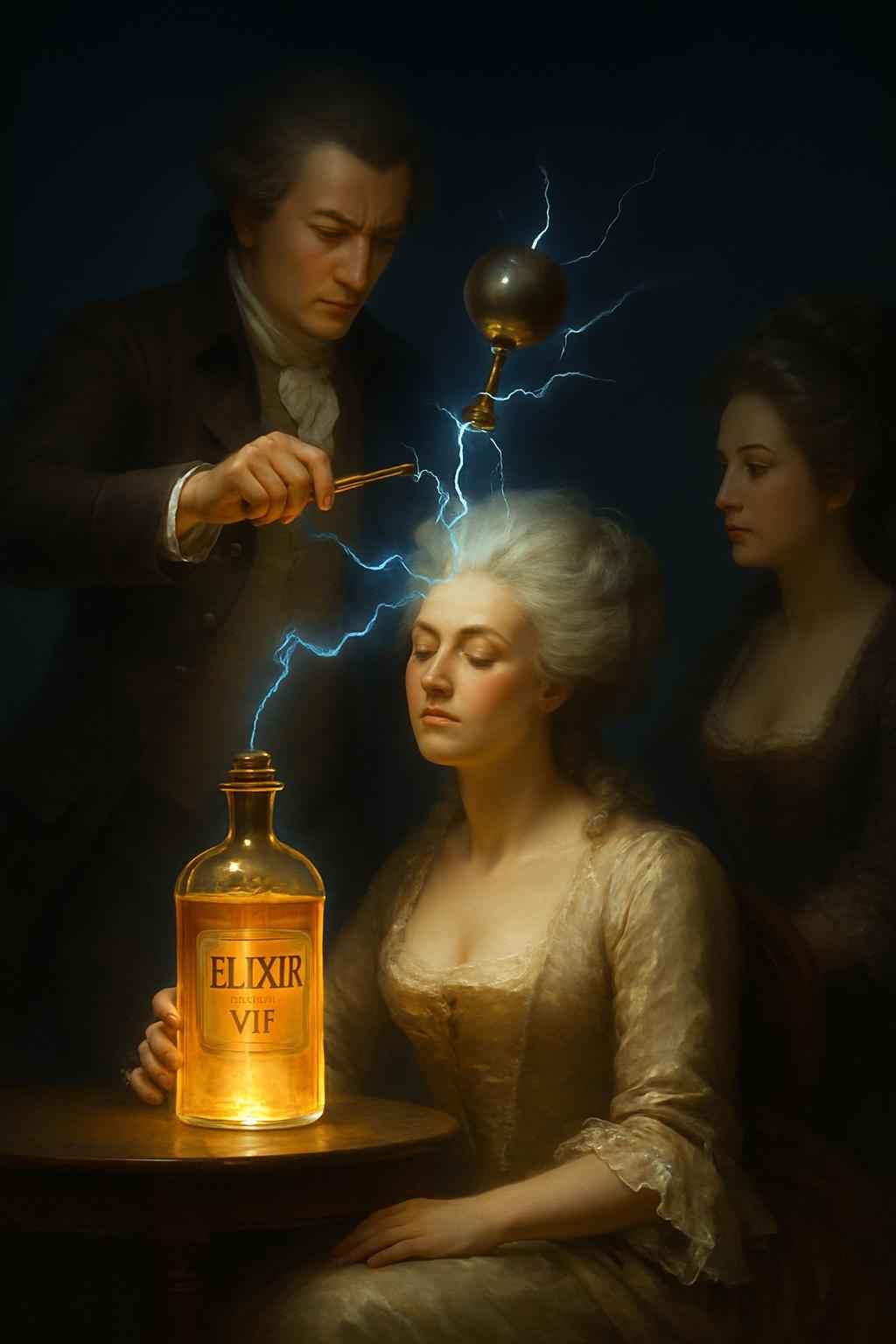
In 1795, the world’s first anti-ageing craze erupted—not in a lab, but in Paris salons.
In 1795, the world’s first anti-ageing craze erupted—not in a lab, but in Paris salons. Some believers thought electricity could transfer vitality, and…
Discover more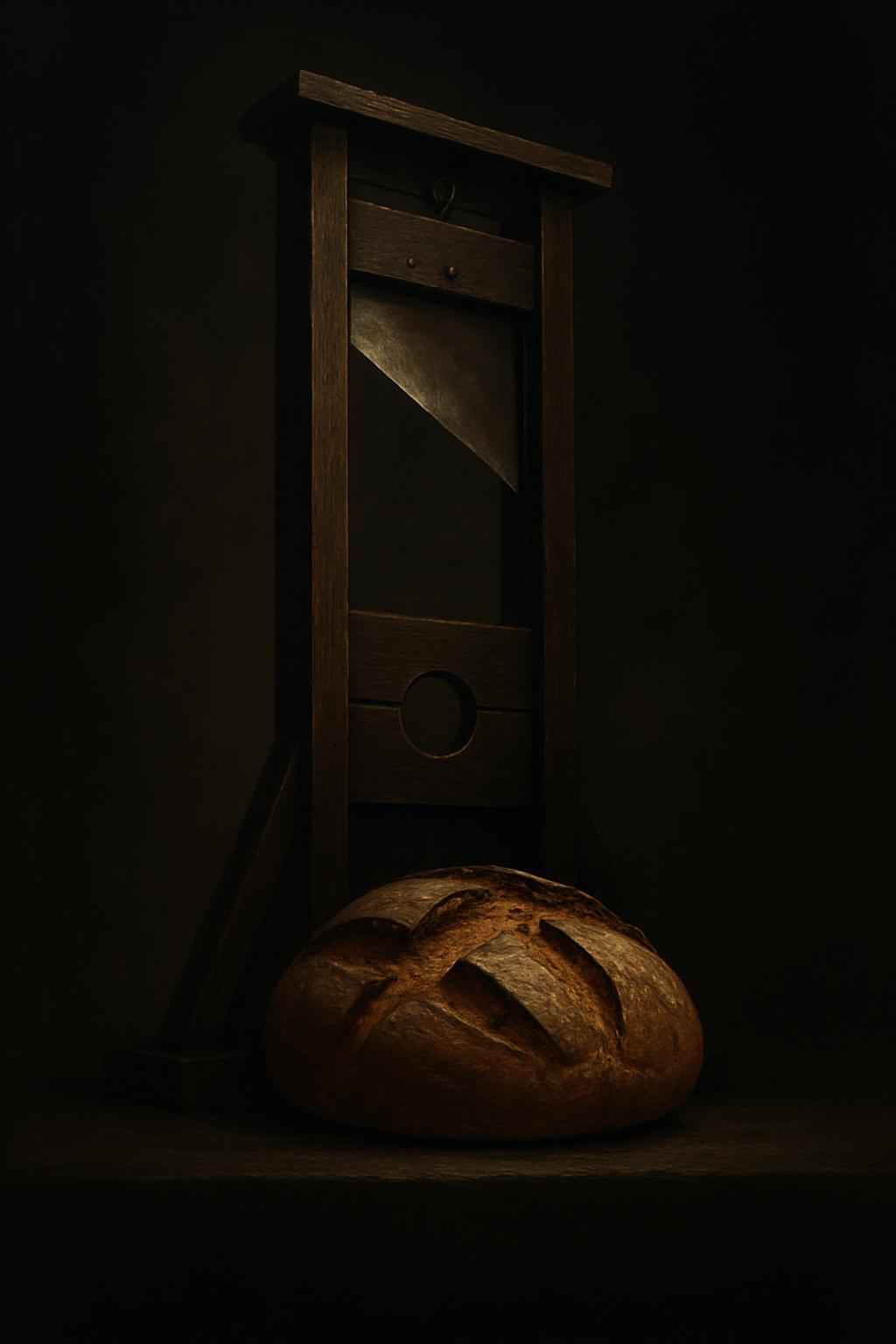
Revolutionary Paris tried to put equality into the bread.
Revolutionary Paris tried to put equality into the bread. In 1793, the Paris Commune called for one common kind of bread instead of separate loaves associated…
Discover more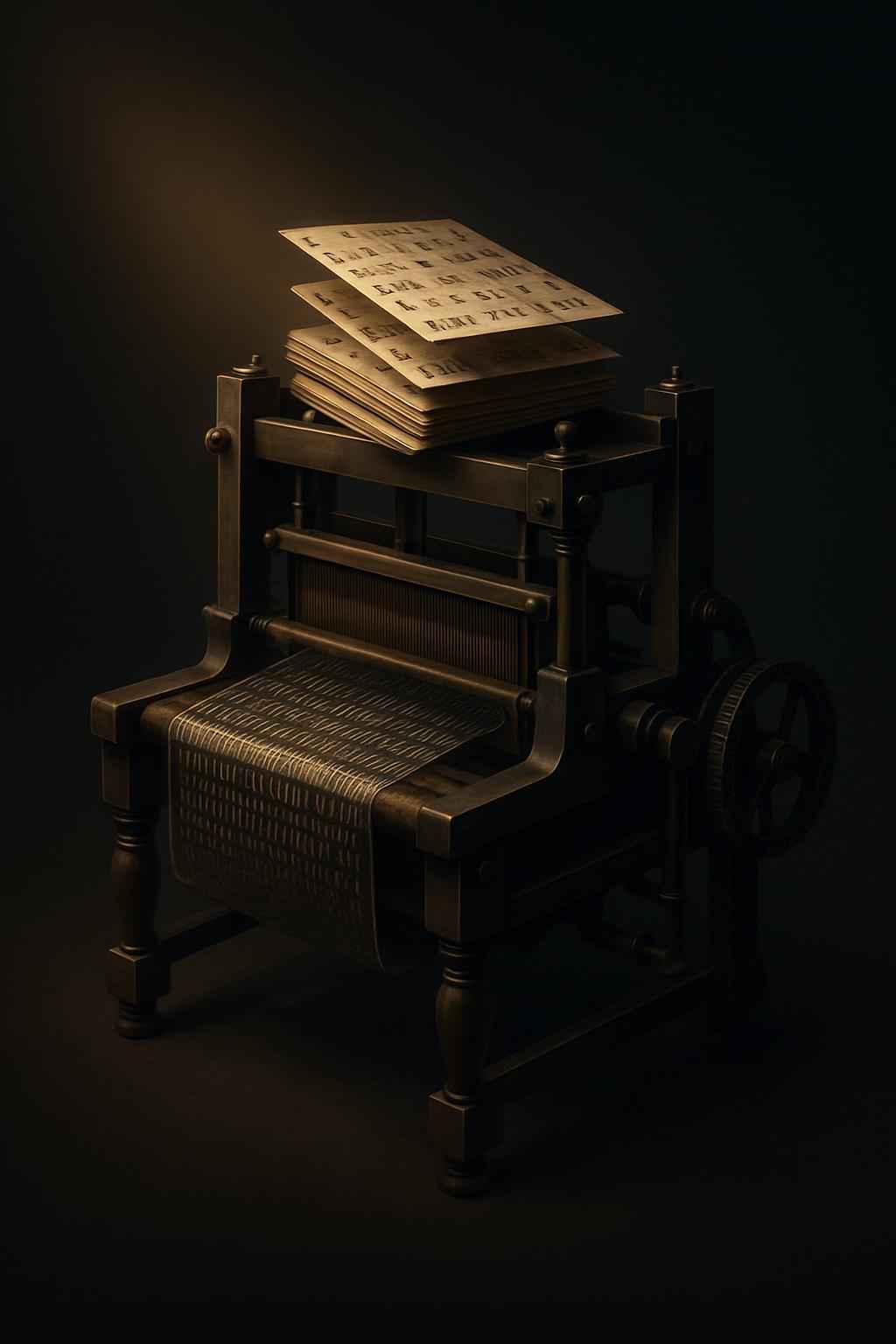
A loom could read instructions from holes before computers did.
A loom could read instructions from holes before computers did. Joseph Jacquard developed his mechanism in France in the early nineteenth century. Punched…
Discover more STACKY FOR IPHONE
A bigger world.
One discovery
at a time.
Keep discovering with Stacky. Interesting facts in an app that is always within reach.
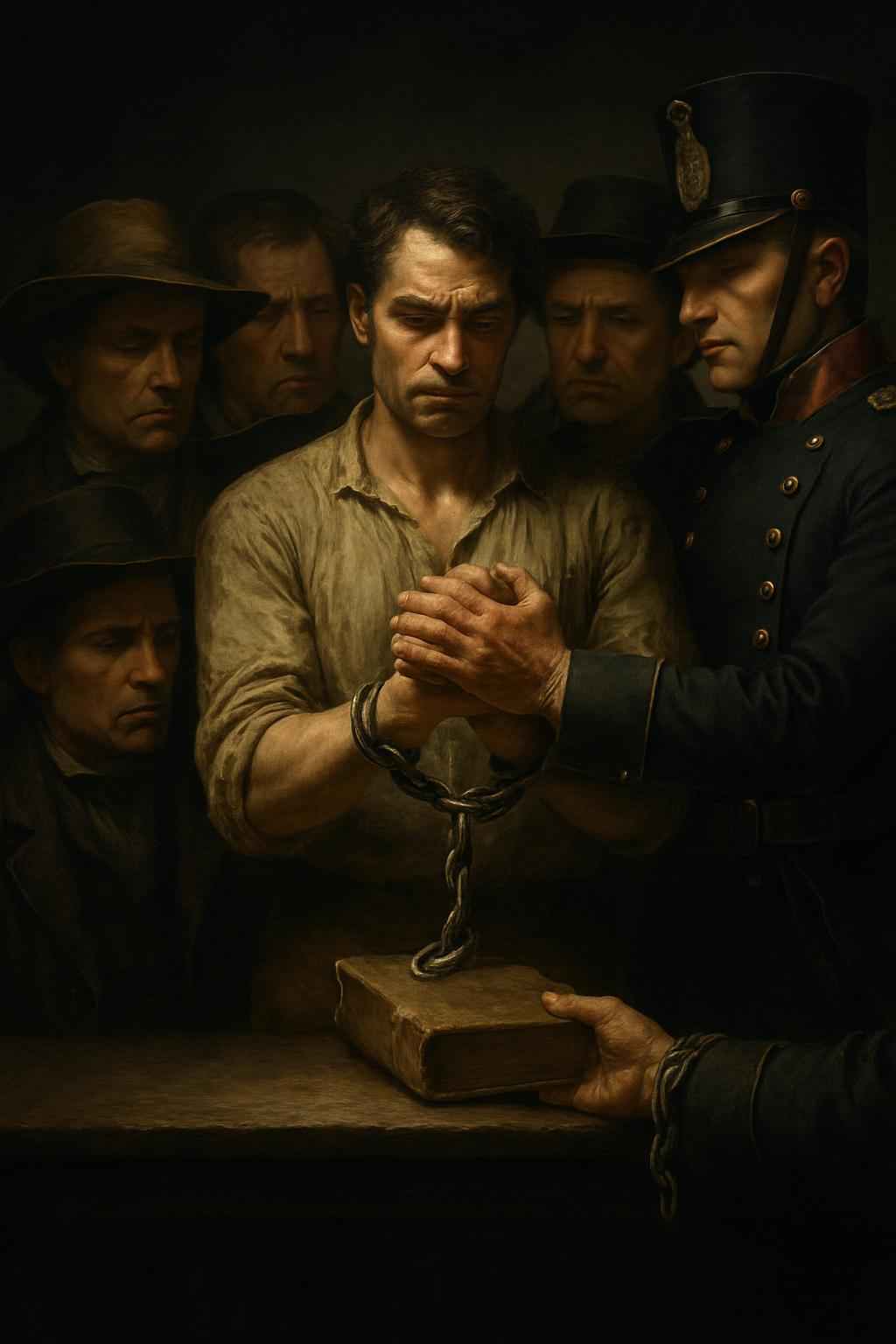
In 1834, a group of British workers calling themselves the Tolpuddle Martyrs were arrested — not for violence, but for forming a secret union.
In 1834, a group of British workers calling themselves the Tolpuddle Martyrs were arrested — not for violence, but for forming a secret union. Their oath to…
Discover more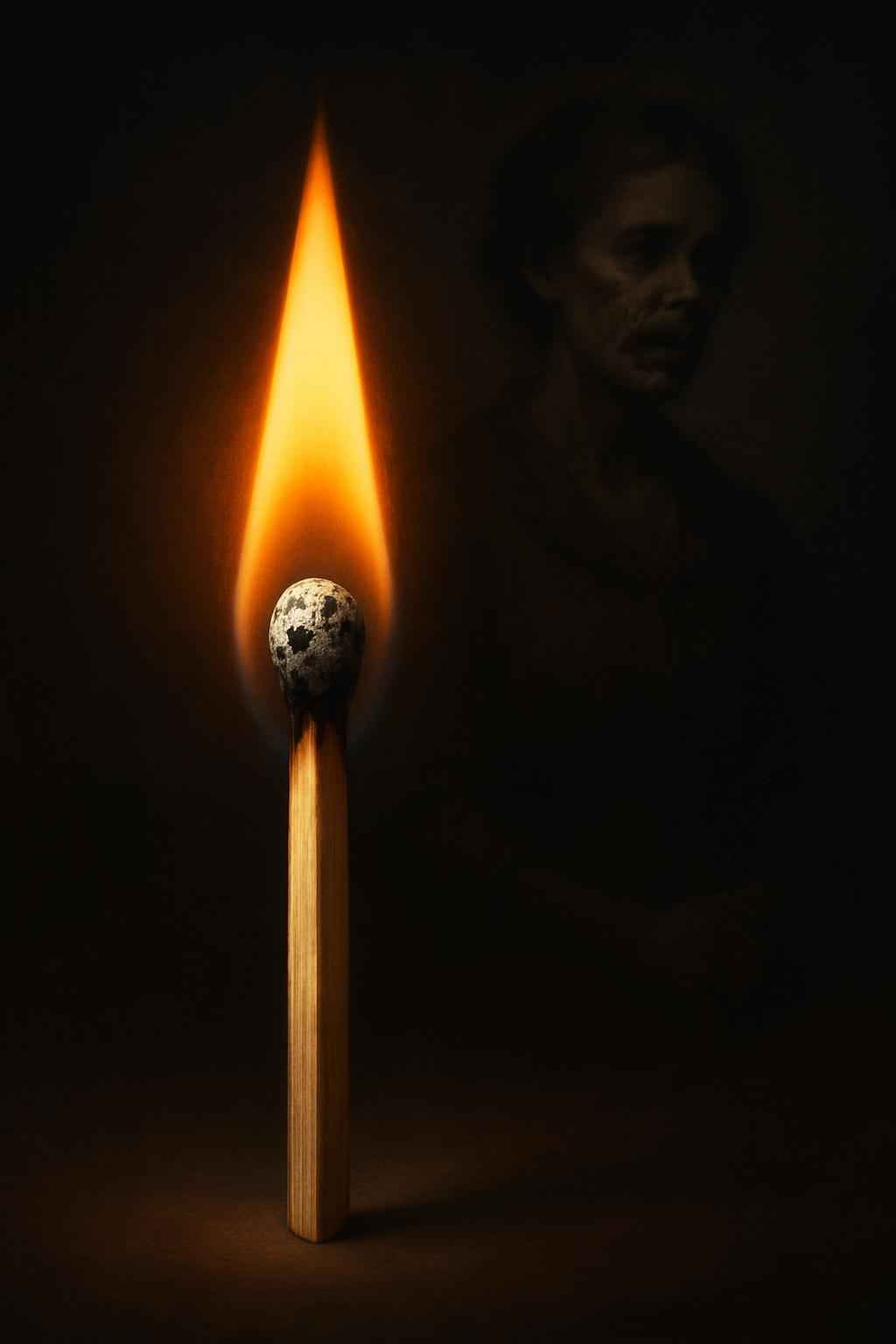
London's matchworkers fought a system that fined them for talking.
London's matchworkers fought a system that fined them for talking. At Bryant & May, poor pay came with deductions for things such as dirty feet or an untidy…
Discover more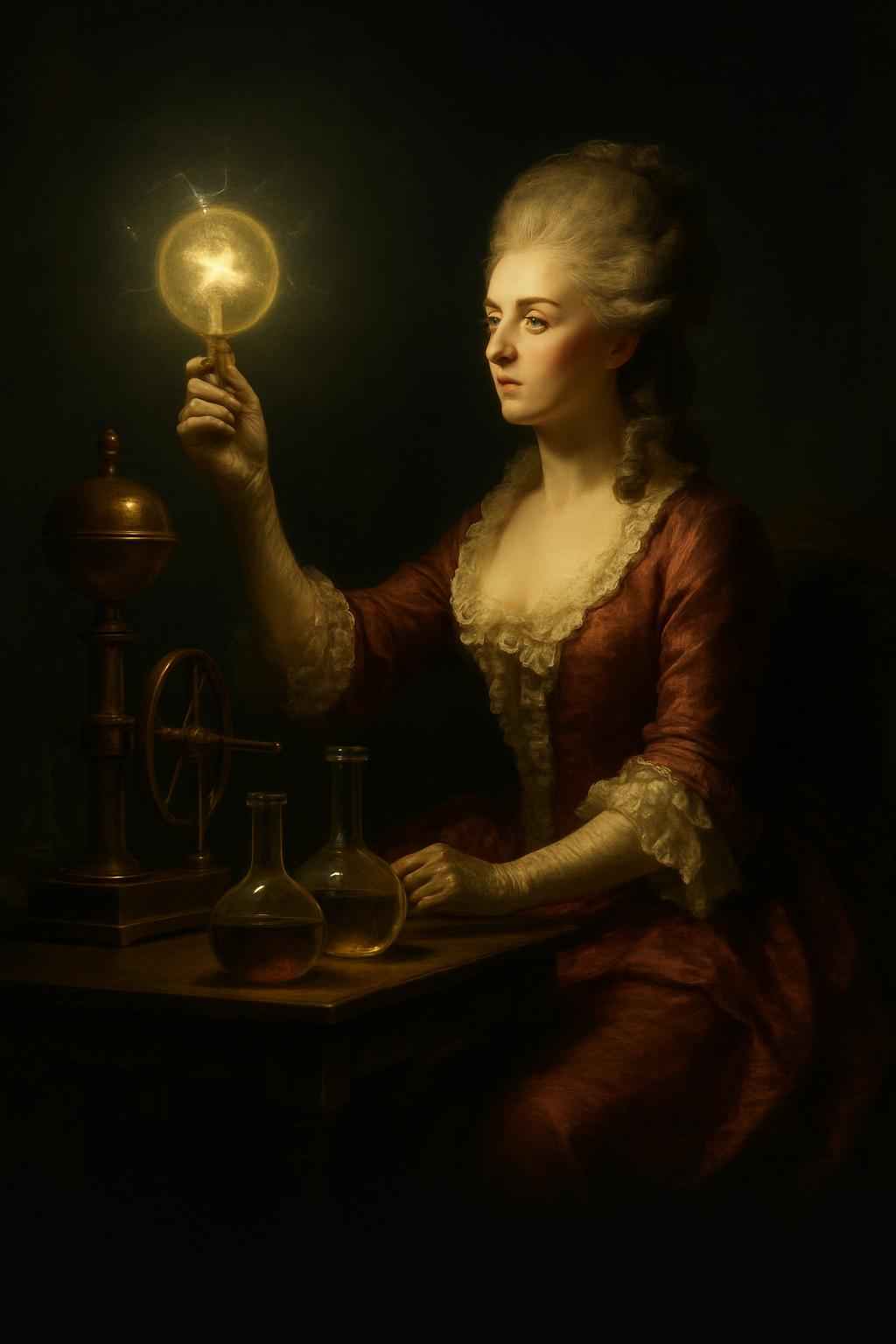
In 18th‑century France, women in silk gloves steered technological rebellion.
In 18th‑century France, women in silk gloves steered technological rebellion. Their salons gave inventors patrons and audiences: noblewomen financed projects,…
Discover more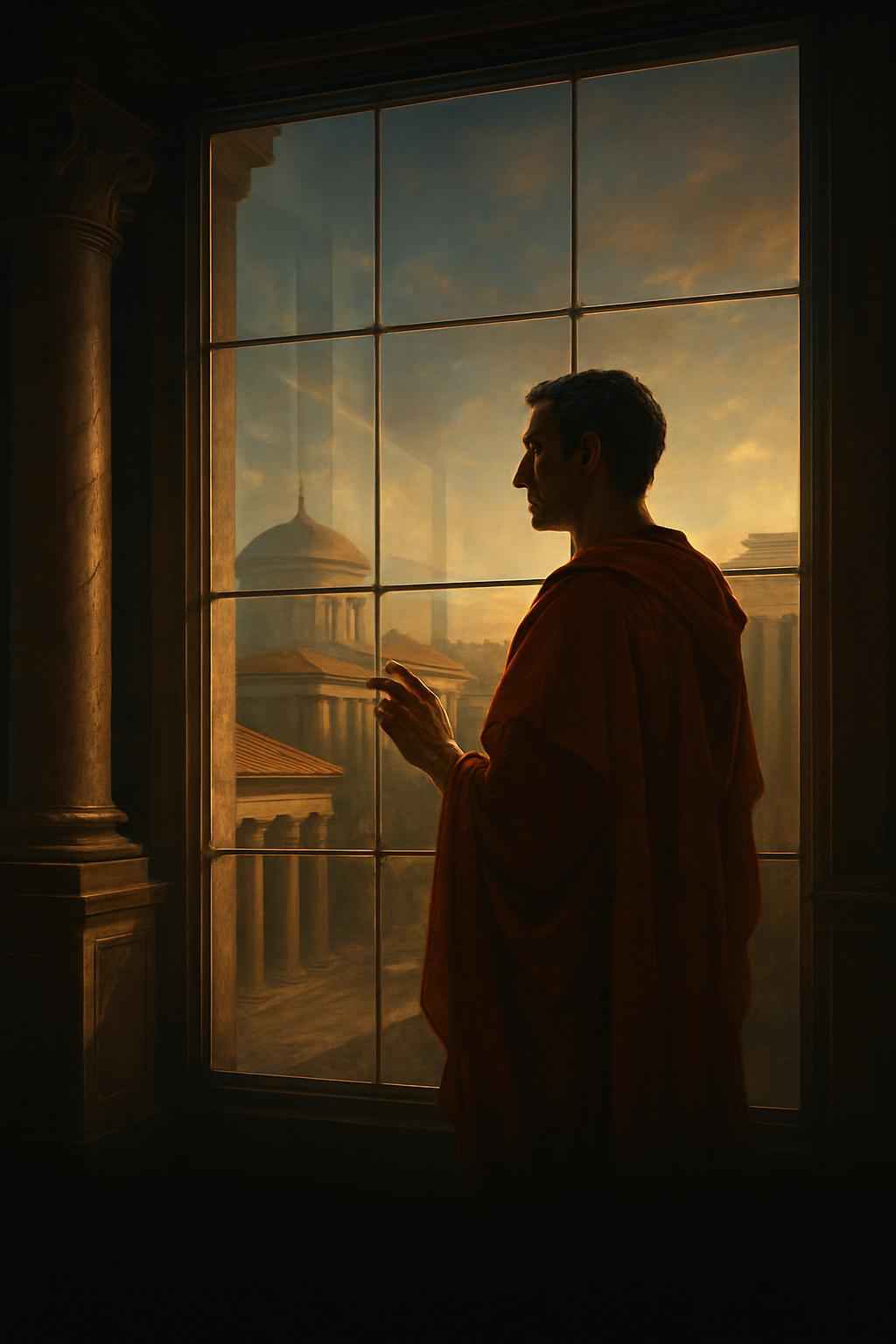
When Roman glassmakers accidentally created transparent panes in the 1st century CE, elite homes flooded with new possibilities—light, privacy, surveillance.
When Roman glassmakers accidentally created transparent panes in the 1st century CE, elite homes flooded with new possibilities—light, privacy, surveillance.…
Discover more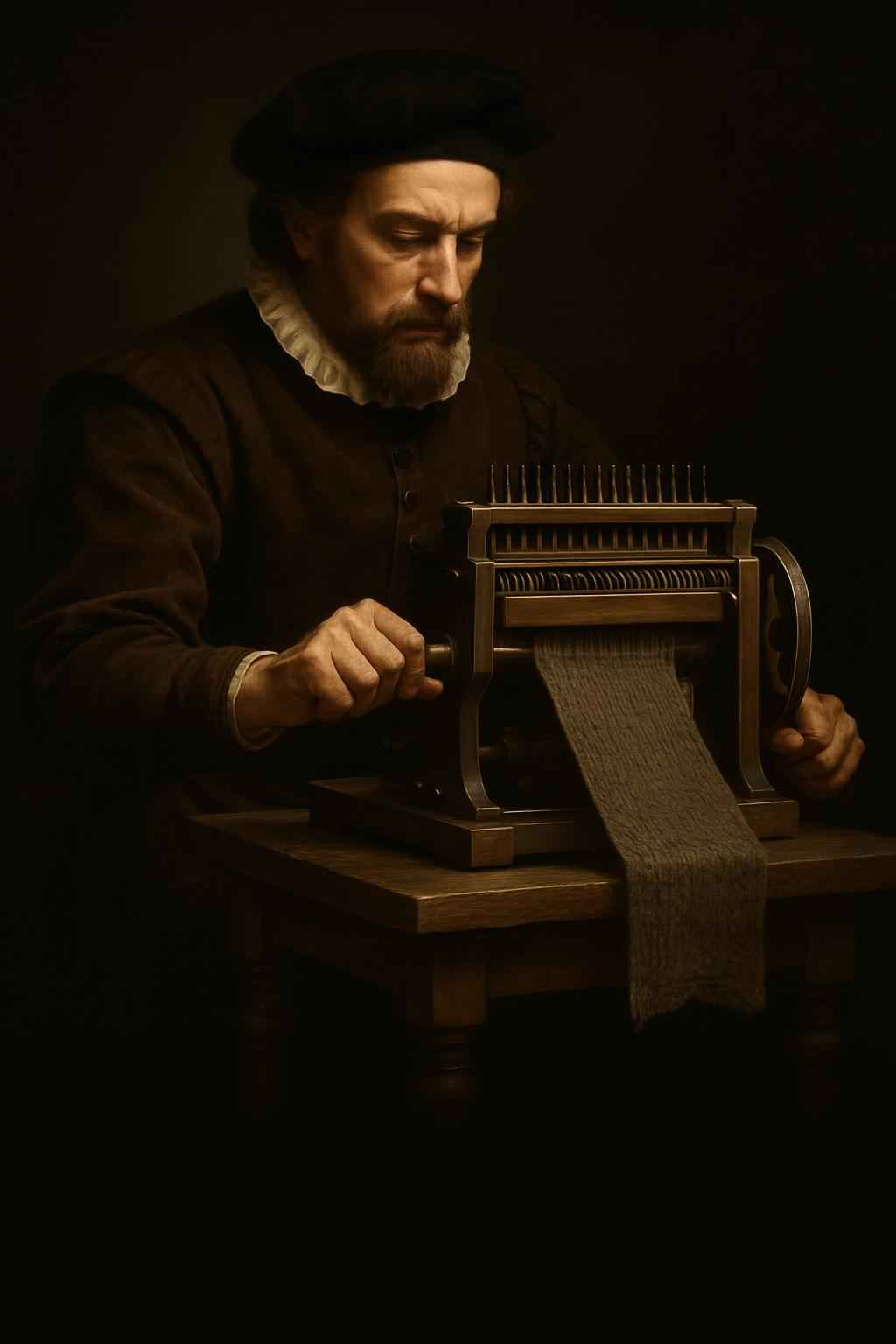
In 1589, an Englishman named William Lee invented the knitting machine — a device promising to clothe the poor faster than hands ever could.
In 1589, an Englishman named William Lee invented the knitting machine — a device promising to clothe the poor faster than hands ever could. Elizabeth refused…
Discover more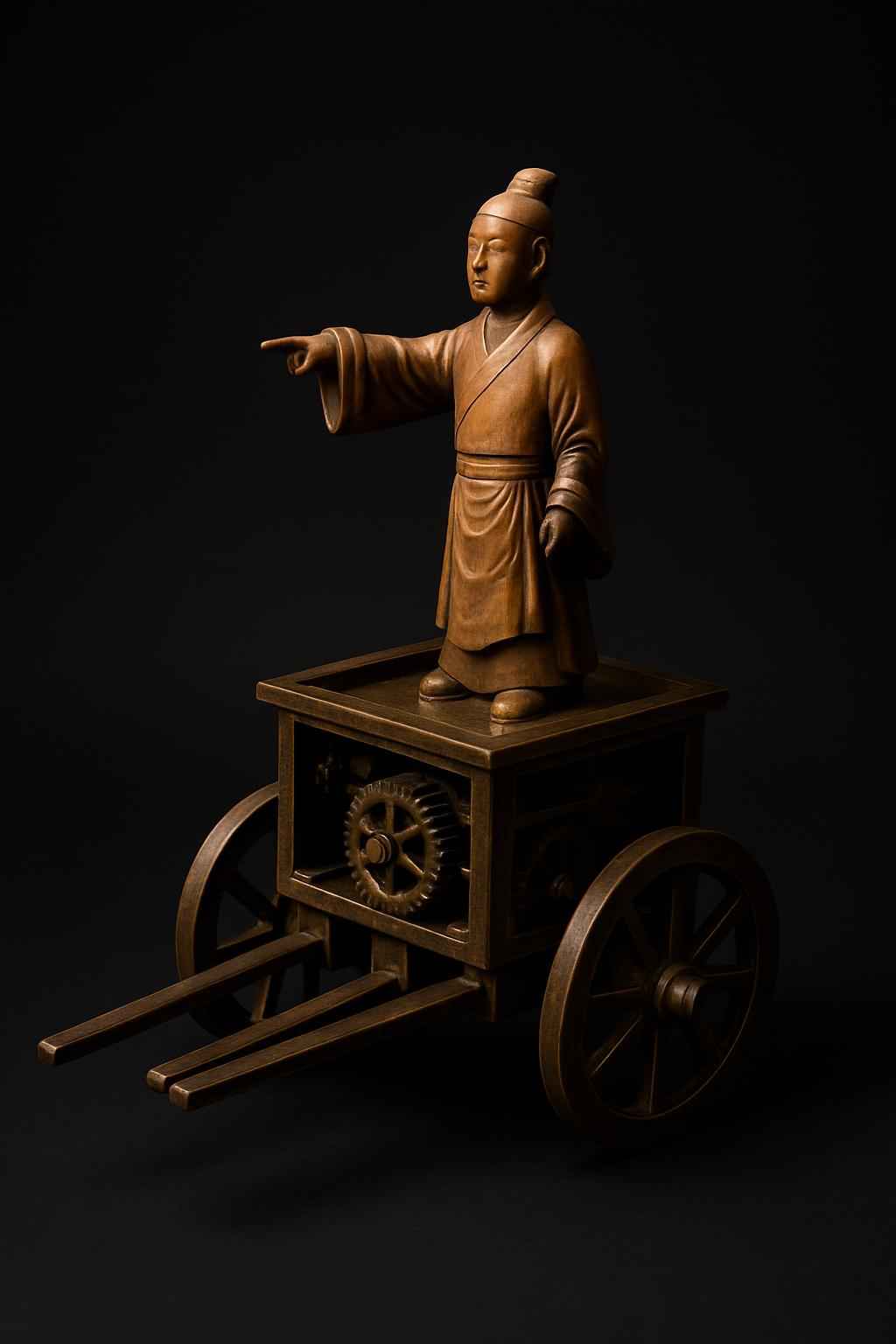
China built a direction pointer that needed no magnet.
China built a direction pointer that needed no magnet. A south-pointing chariot used wheel motion and gears to counteract its turns, keeping a figure aimed in…
Discover more
Paris's elegant boulevards replaced whole neighborhoods.
Paris's elegant boulevards replaced whole neighborhoods. Haussmann's rebuilding program demolished more than 20,000 buildings while adding broad roads and…
Discover more
Centuries before GPS, ancient Romans carved milestones naming the emperor and exact distances to Rome.
Centuries before GPS, ancient Romans carved milestones naming the emperor and exact distances to Rome. In Han-dynasty China, geared trip meters tracked…
Discover more
How royal portraits hid kings’ illnesses
A ruler’s portrait had to project authority, not document every swollen jaw or crooked leg. Painters softened scars and other visible flaws, turning the…
Discover more
How ancient trade routes carried music across continents
Caravans and ships moved more than cargo: musicians carried instruments and musical traditions between regions. The oud’s influence on the lute shows how a…
Discover moreFrom bronze swords to nuclear bombs, human innovation has often focused on perfecting destruction.
It’s unsettling to realize how many of our cleverest inventions were born on the battlefield. Bronze blades led to better metalwork, rockets meant for bombing…
Discover more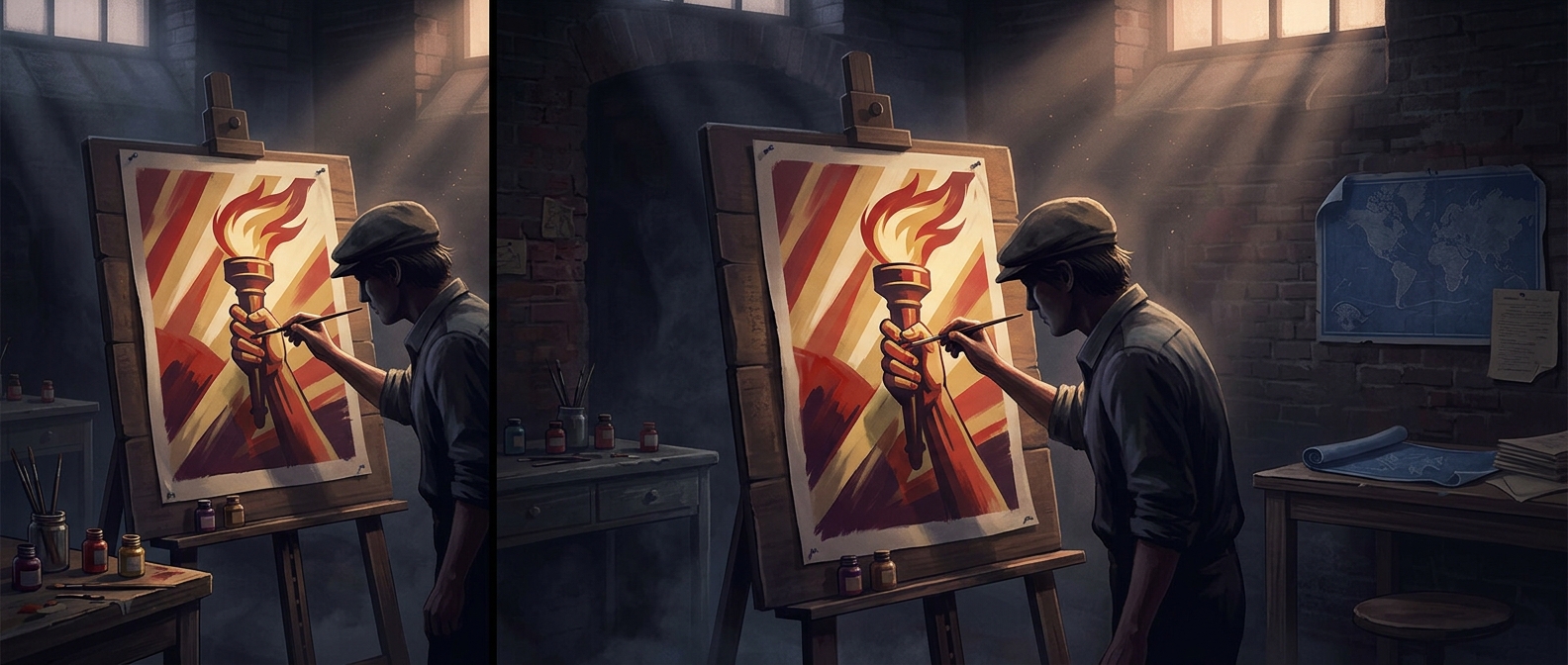
How wartime posters persuaded people at a glance
A poster had to make its case before a passerby kept walking. Bold colors and symbols made messages of courage, fear, or loyalty legible at a glance—no speech…
Discover more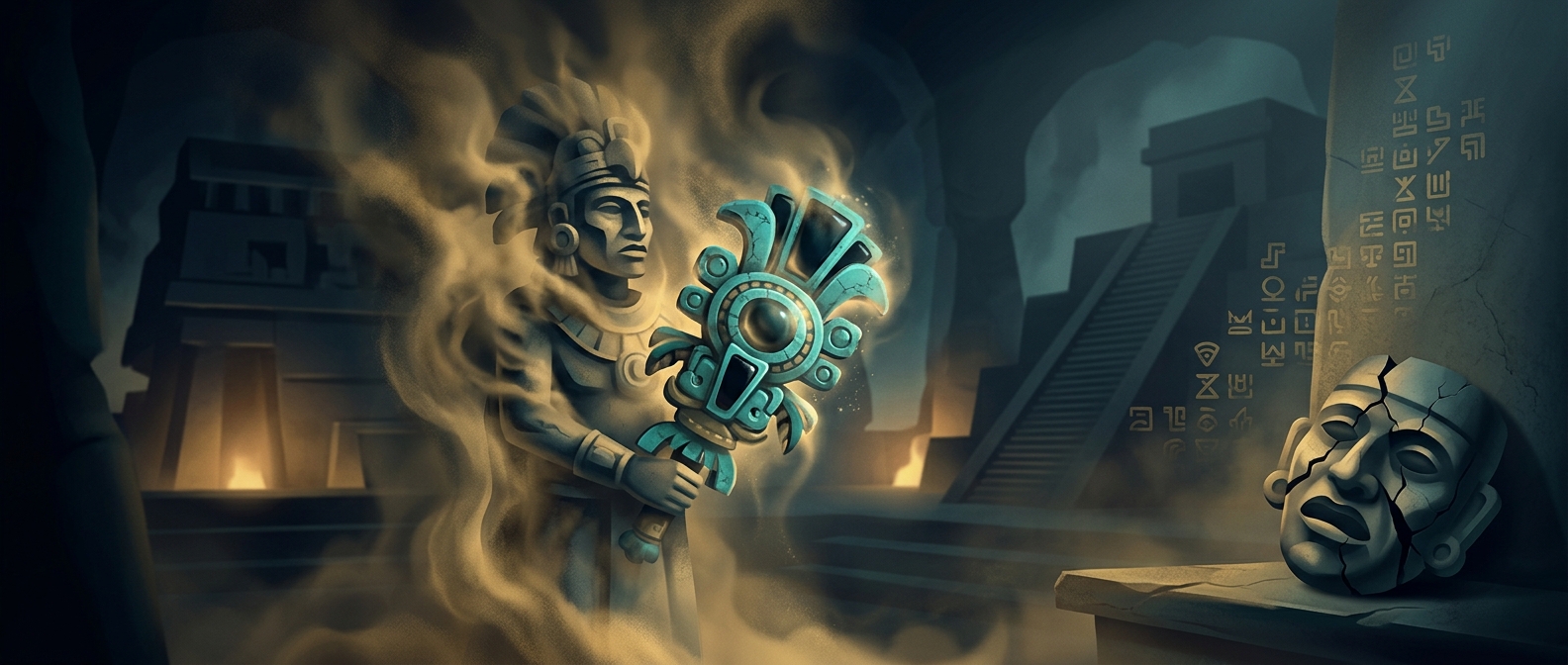
Aztec rituals were misunderstood for centuries due to biased reports from colonizers exaggerating extremes
Some colonizers exaggerated or invented stories of Aztec violence to make conquest seem justified. Sacrifice was real, but it belonged to a wider spiritual…
Discover moreMedieval battlefields were so chaotic that knights often carried giant banners just so their allies could recognize them through clouds of dust—it’s hard to imagine war without…
Picture the battlefield of the Middle Ages: clashing steel, horses charging, dust thick in the air, and the roar of armies echoing for miles. In that storm of…
Discover moreOld wartime letters reveal soldiers’ biggest wish wasn’t medals or glory but simply extra socks and decent food — so maybe history’s greatest military secret is just how bad the catering was on the front lines.
Forget epic battle speeches and grand medals — when soldiers wrote home during wartime, their dreams were humbler, and far itchier. Letters uncovered from the…
Discover moreNo Netflix series plot twist beats the real fact that entire civilizations vanished without clear explanation, leaving behind stone monuments perfectly aligned with stars, which…
Long before binge-worthy shows existed, the biggest cliffhangers unfolded in real life. Entire civilizations thrived, built massive temples, carved impossibly…
Discover more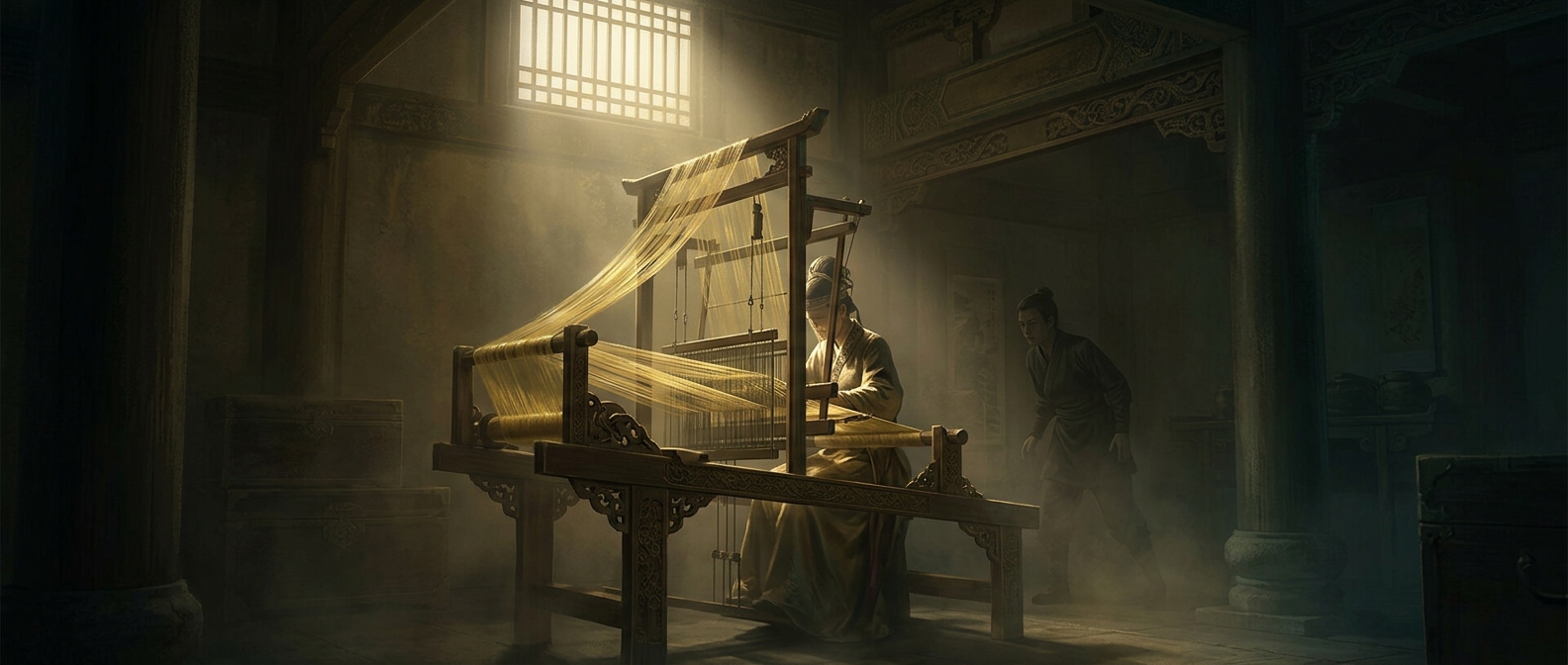
Silkworm eggs could be worth more than finished silk
A Byzantine account describes monks bringing silkworm eggs to Emperor Justinian's realm, helping establish local production. Importing cloth buys a product;…
Discover moreImagine the Greeks discovering TikTok: Aristotle dropping 15-second wisdom clips, Socrates stuck in comment wars, and gladiators pulling dramatic influencer entrances—suddenly…
Picture toga-clad philosophers mastering filters and duets—Aristotle with catchy one-liners, Plato stitching his rivals, and Socrates refusing to log off…
Discover more