A closer look
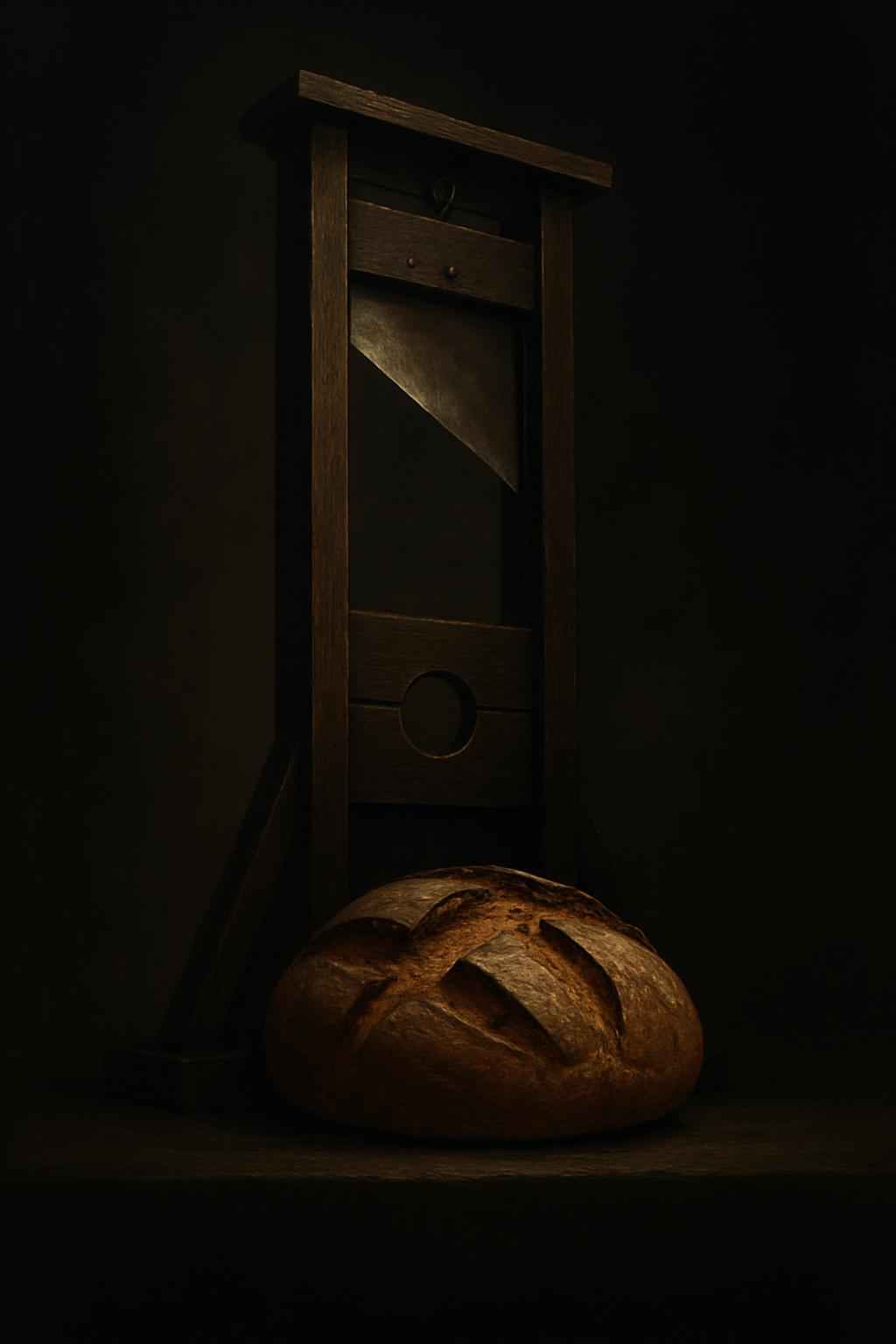
In 1793, France’s revolutionaries outlawed fancy bread. Equality meant grain was no longer reserved for the rich — white loaves for all, or none. Millers who kept sifting flour risked prison. Bakers became political figures, their ovens inspected for signs of class betrayal. One Paris woman was executed after neighbors claimed her pastries were ‘too light for common folk.’ Food became ideology, and the smell of baked dough turned subversive. Today’s debates about fair trade or food inflation echo that moment: whenever societies change fast, appetites reveal hidden struggles. Every loaf of bread has always been more than carbs — it’s public mood in crust form.