A Lenten bun at the end of a royal feast
The king was Adolf Frederick of Sweden, who died in 1771. The semlas were not ordinary dinner rolls: they were rich, cardamom-scented buns, traditionally eaten before Lent. Served as hetvägg, they were placed in a bowl and eaten with hot milk.
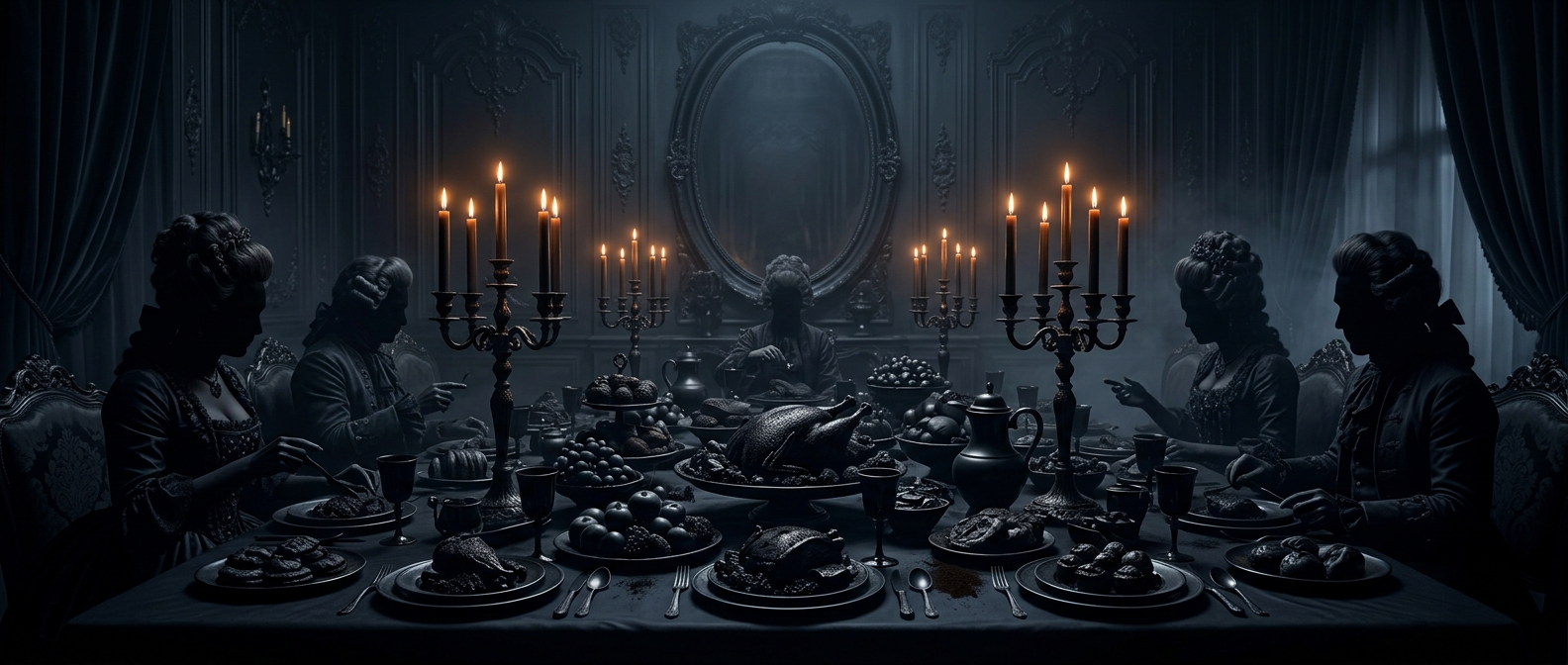
That custom helps explain why the buns appeared at the end of a lavish meal. Semlas were a seasonal treat, and hot milk made them a warm, filling dessert. The meal’s famous menu—lobster, caviar, champagne, and then fourteen semlas—turned a customary indulgence into a story of royal excess.
How dinner became a legend
Adolf Frederick’s death soon became linked to the meal in popular retellings, earning him the nickname “the king who ate himself to death.” The vivid sequence is easy to remember: a king finishes a feast with an extraordinary number of pastries and dies afterward. But the anecdote’s neat punch line is not the same as a clear medical explanation; the meal is famous chiefly because later accounts made it the centerpiece of the story.
The episode also captures the semla’s place in Swedish life. A bun associated with the calendar and a familiar way of serving it became part of a tale about monarchy, appetite, and extravagance. Each year, when semlas return before Lent, the pastry carries both its festive tradition and the memory of a king’s famously over-the-top dessert.