A Rat Put on Trial in a Prince’s Toy Army
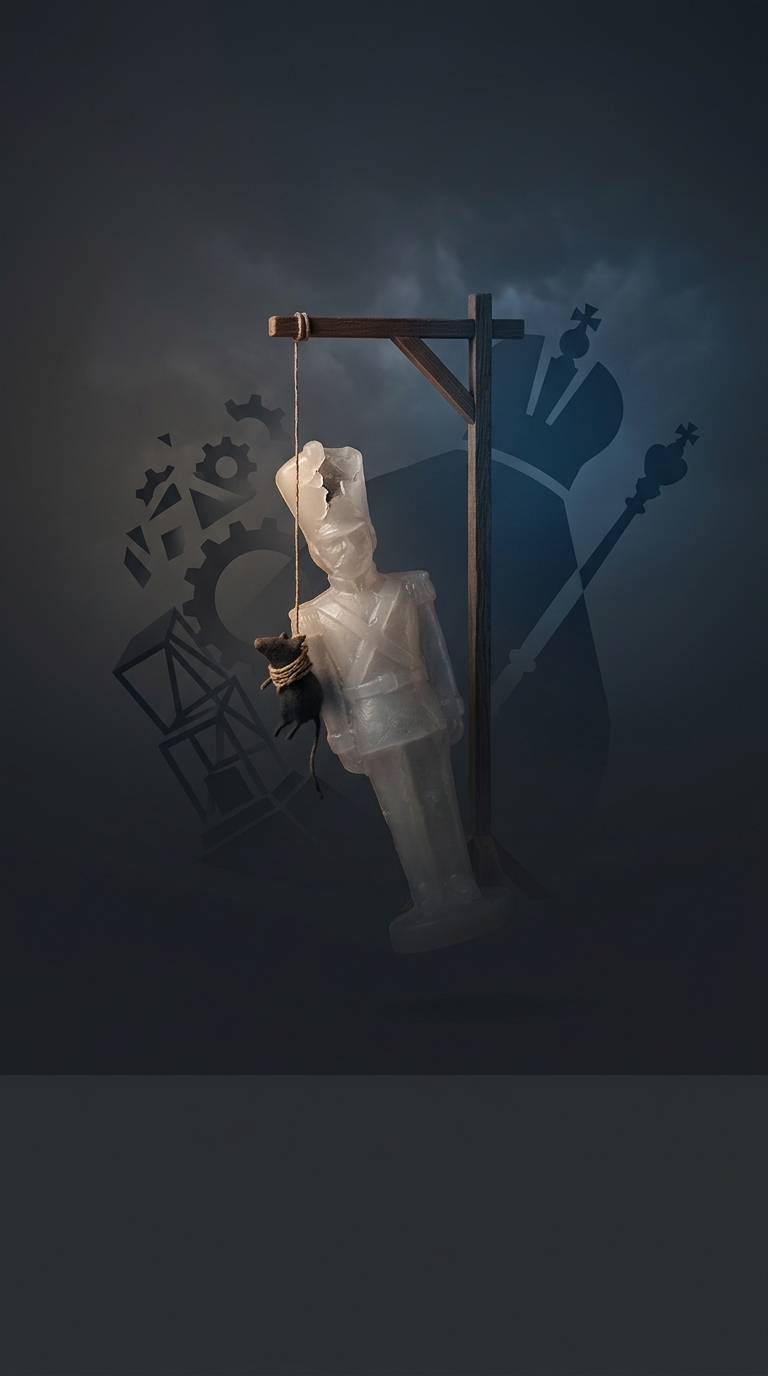
A story from Peter III’s youth turns a damaged toy soldier into a miniature military offense. When a rat chewed off the head of his favorite wax figure, Peter reportedly staged a court-martial—the kind of military hearing used to judge a service member—and hanged the animal from a tiny gallows.
The scale made the punishment absurd; the logic was grimly consistent. In the world Peter had built from toy soldiers, ranks and rules mattered, and an attack on one of his figures called for a formal response. The rat was not merely a nuisance in that imagined world: it had violated its order.
Play That Reflected a Larger Obsession
For a young prince, toy soldiers could offer more than amusement. They turned military order into something he could arrange and control: figures stood in formation, commands had consequences, and even a small disturbance could be judged against the rules of the game. Peter’s rat story is remembered because he carried that logic beyond the battlefield he had invented.
It does not establish a modern psychological diagnosis. It does show how strikingly literal his play could become. The tiny gallows made the point visible: in Peter’s miniature army, discipline was not just a parade of soldiers—it was a system with penalties, even for a rodent.