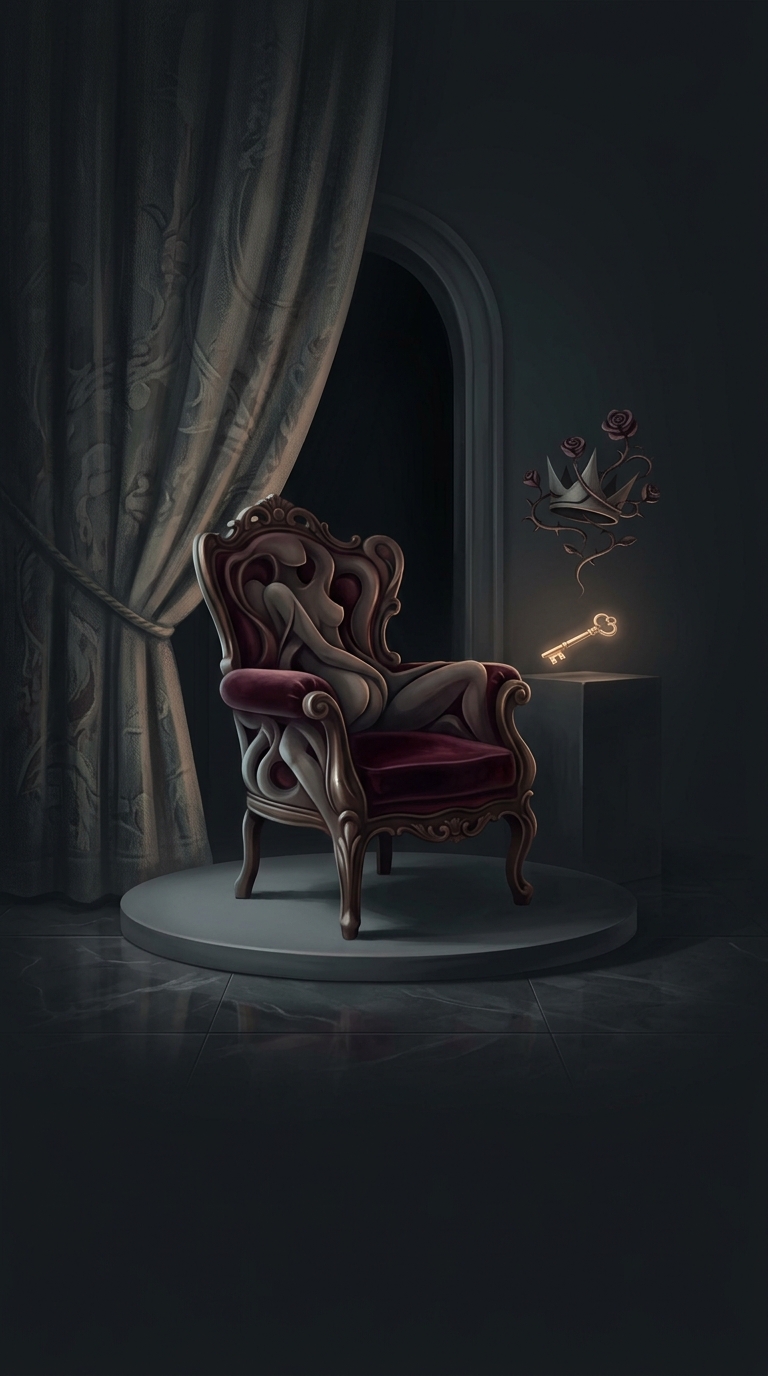
A palace room—and a story with gaps
The tale of Catherine the Great’s erotic furniture is usually set in a private room at Gatchina Palace, one of the imperial residences near St. Petersburg. Accounts describe chairs and tables carved with explicit human forms, supposedly hidden from public view and encountered by German soldiers during World War II. The objects are said to have disappeared after the Soviets recovered the palace.
That wartime chain of events is part of the story, not a fully documented history of the furniture. Images attributed to the room have circulated, but the objects’ provenance—the record showing who made and owned them—has not been firmly established. Without that record, it is difficult to verify that the furniture belonged to Catherine or that the photographs show a genuine imperial room.
Why a private cabinet would make sense
Eighteenth-century courts often separated public display from private life. A ruler’s private rooms could hold objects that would have been unsuitable for formal reception spaces, including erotic art. Such a room would not necessarily have been a public “sex room”; it could have been a secluded cabinet, a small personal chamber for reading, conversation, or entertaining trusted guests.
Catherine’s reputation for romantic relationships helped make the story memorable, but reputation is not proof of ownership. The distinction matters: a palace setting and explicit furnishings can make an anecdote feel self-authenticating, even when the trail connecting the objects to a particular ruler is incomplete.
War can erase the evidence
Gatchina Palace was occupied and damaged during the war, and many palace interiors and collections suffered losses. If the alleged furniture was there, its reported destruction would help explain why no surviving set can settle the question. But the same absence also makes the story harder to test. What remains is a striking wartime legend whose most vivid details are easier to repeat than to verify.