A German family name became a wartime liability
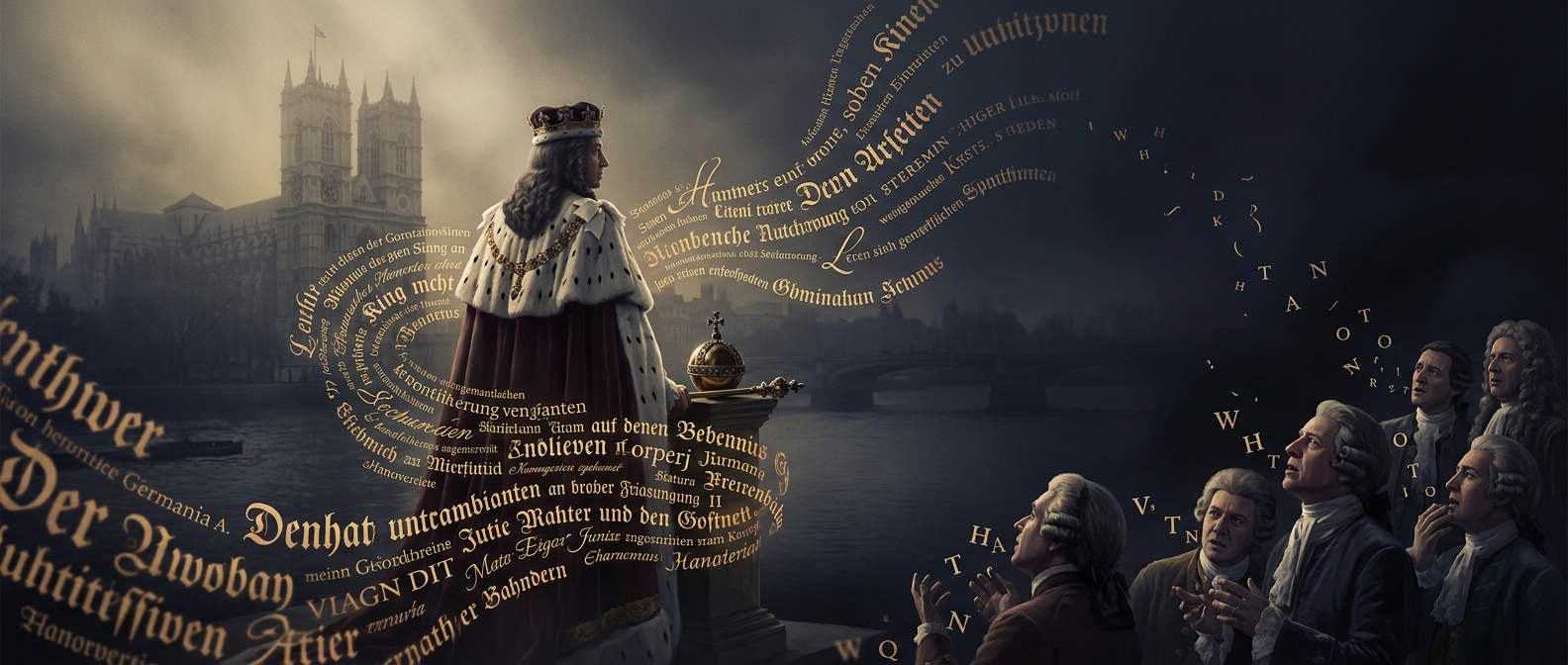
The name Saxe-Coburg and Gotha came from the German duchy associated with Prince Albert, Queen Victoria’s husband. Through Albert, it became the name of the British royal house in the 19th century. By the First World War, however, Britain was fighting Germany, and the royal family’s German dynastic name had become an awkward public symbol.
The pressure was more than a matter of pronunciation. Anti-German feeling was rising in Britain, and the monarchy depended on being seen as belonging to the country it represented. A German-sounding name could make the royals seem politically distant at the very moment national unity mattered.
Why “Windsor” fit
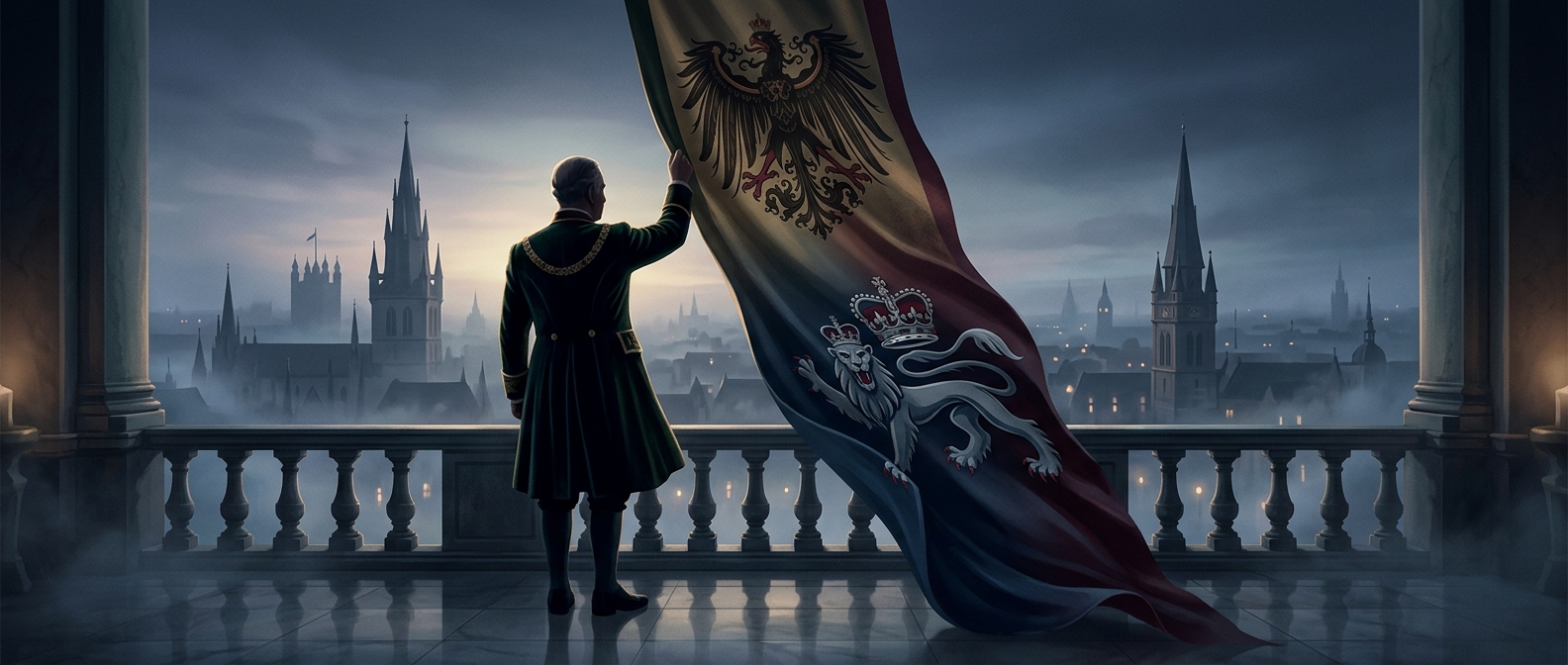
In 1917, King George V chose Windsor, a name already deeply associated with the monarchy through Windsor Castle. The change replaced the German dynastic label with one that sounded unmistakably British and carried centuries of royal history. George also gave up his own German titles and arranged for other royal relatives to relinquish theirs.
This was a practical act of wartime image-making, not a change in the family’s ancestry. The people remained the same; the public name attached to the royal house changed. The decision also established Windsor as the dynasty’s name, allowing the monarchy to present a clearer British identity without pretending its family connections to continental Europe had vanished.
The choice turned a castle’s familiar name into a political tool: from then on, “Windsor” signaled that the royal family stood with Britain in a war against Germany.