A Rumor Turned War Into a Personal Horror
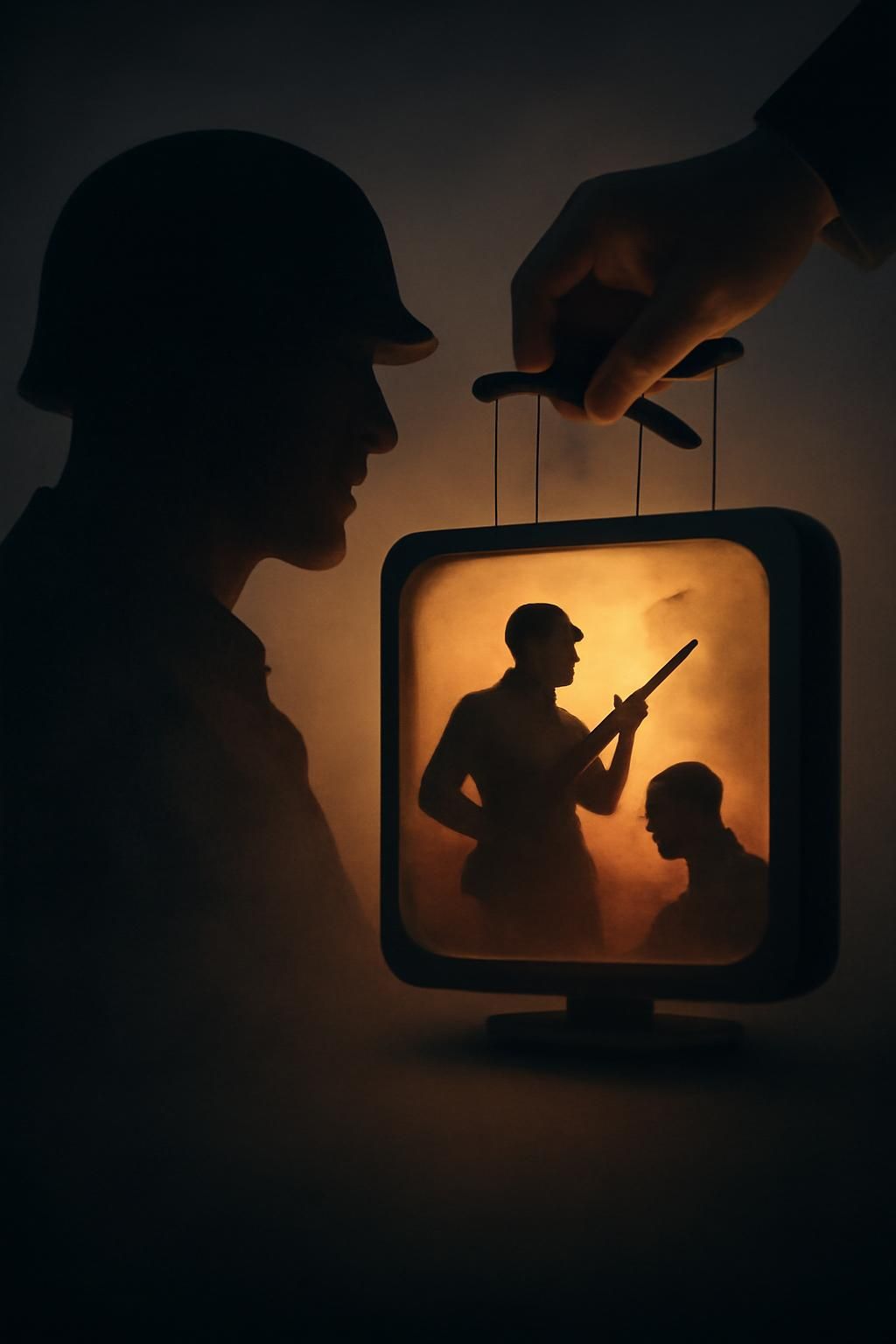
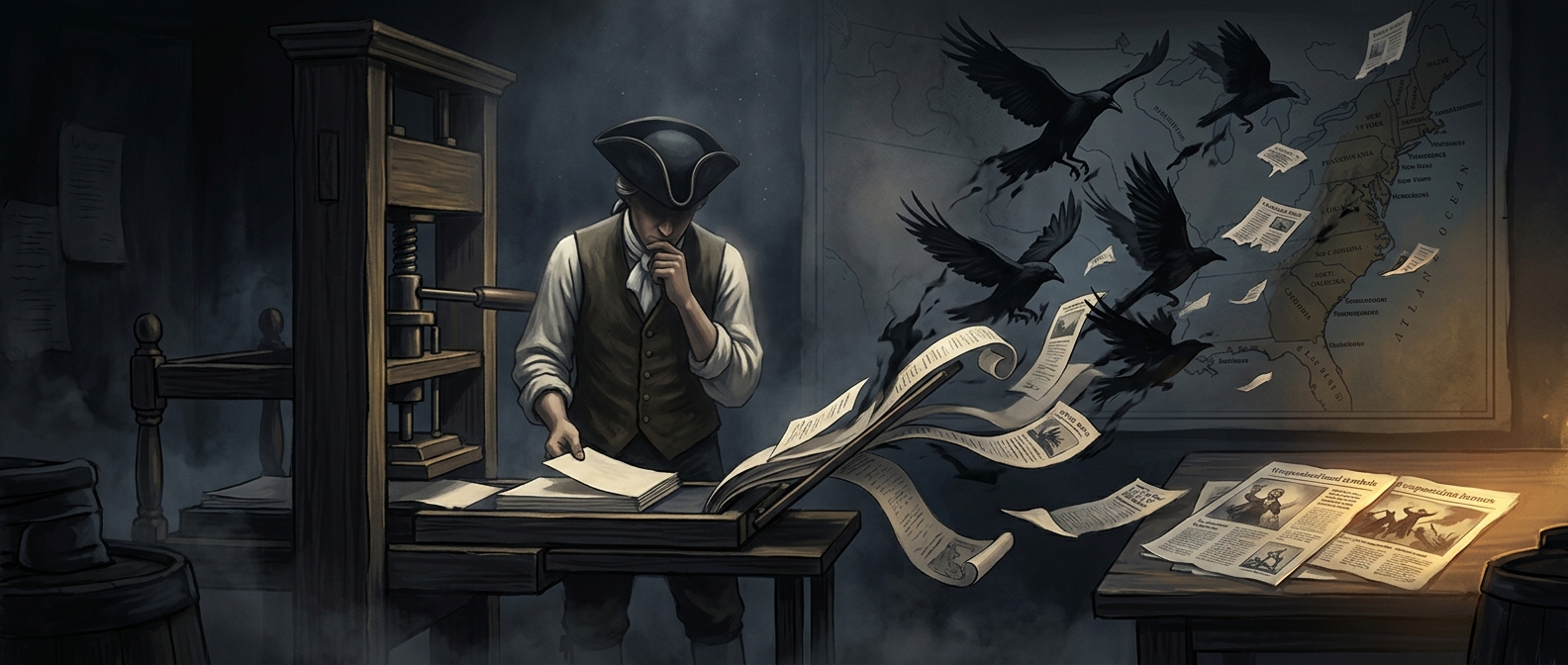
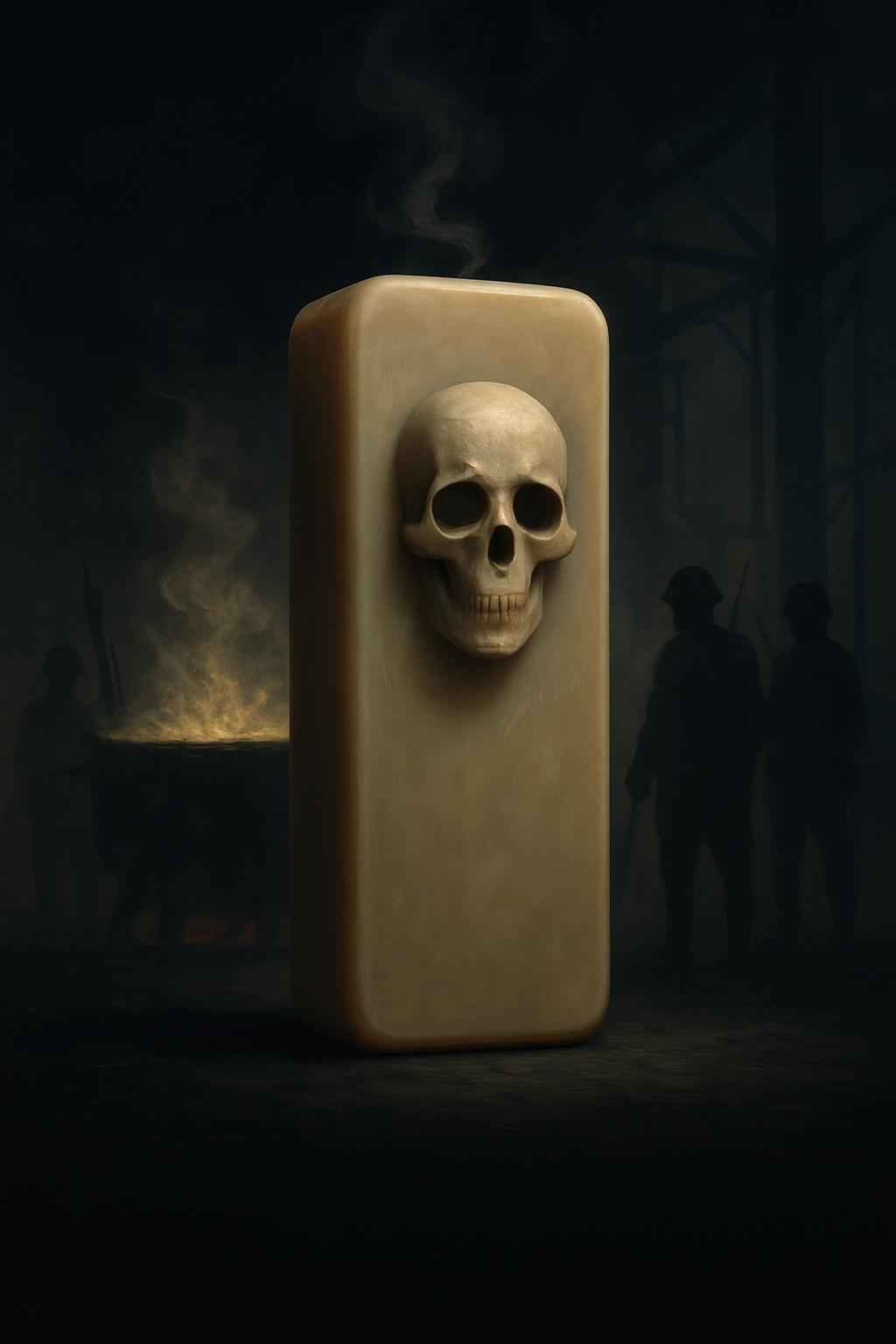
In 1914, as Britain entered the First World War, a British newspaper reported that German troops were boiling the bodies of the dead to make soap. The story was fabricated, but its power came from making a vast, distant conflict feel physically immediate. Readers did not have to picture troop movements or political rivalries; they could picture a corpse being treated as raw material.
That image also gave anger a clear target. It portrayed German forces not merely as enemies on a battlefield but as people capable of a violation of the dead. In a war already generating fear and outrage, the report offered a vivid reason to see the fight as a moral emergency.
How Outrage Could Become Enlistment
Recruiting appeals ask individuals to turn a public crisis into a personal decision. A concrete atrocity story can bridge that gap: it makes the threat memorable, gives indignation an apparent cause, and suggests that joining the fight is a way to answer it. The newspaper’s falsehood therefore had a real effect—not because the claim was true, but because it could shape what readers felt and did.
The episode shows why wartime misinformation can matter even after it is exposed or disproved. A fabricated image can help direct genuine emotion toward a particular enemy, and that emotion can influence choices far beyond the newspaper page.