How Wartime Publicity Turned Conflict Into a Story
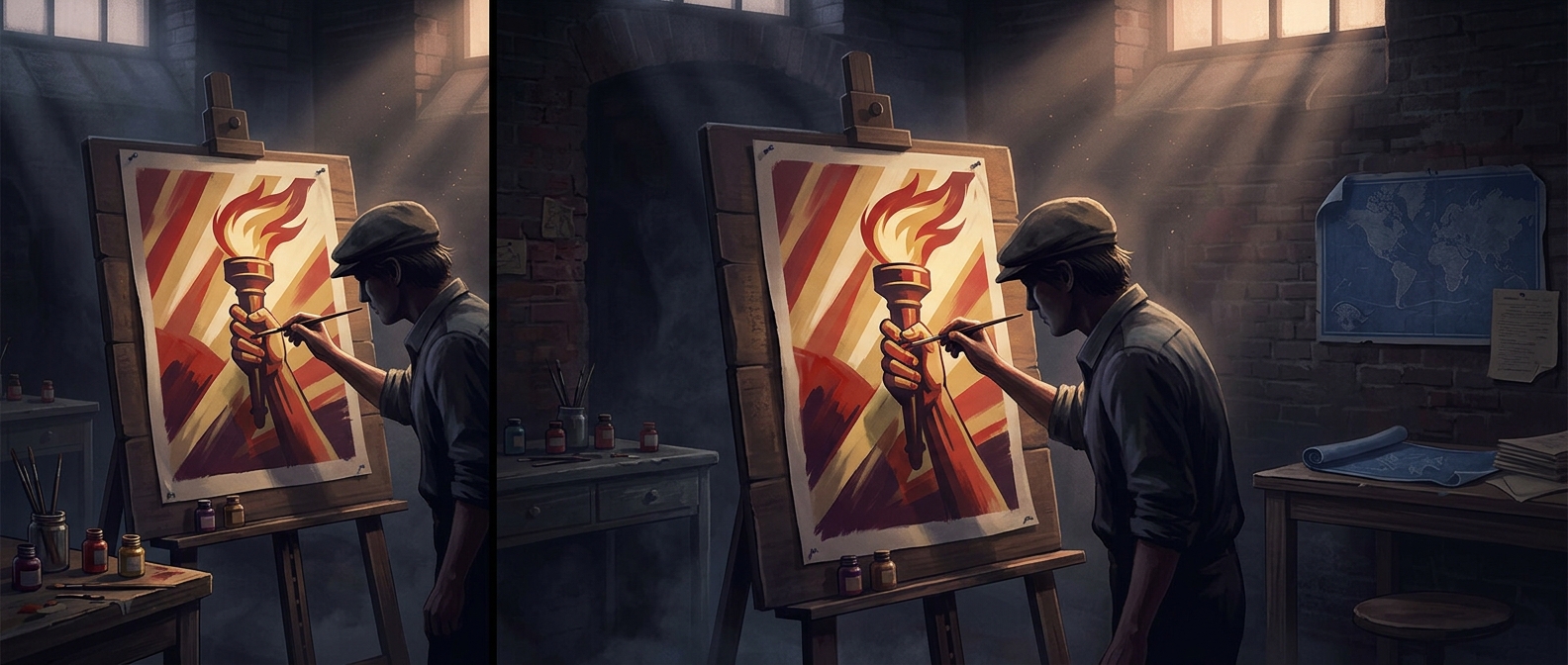
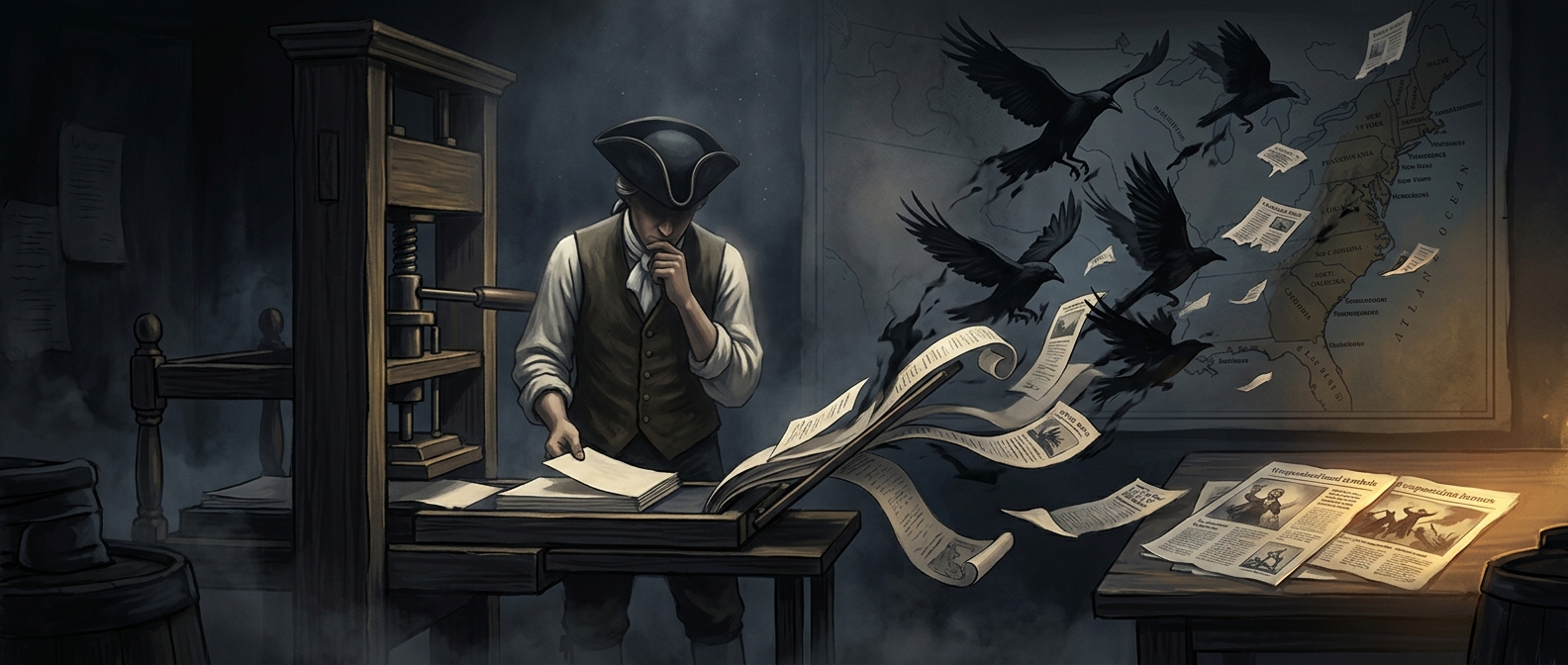
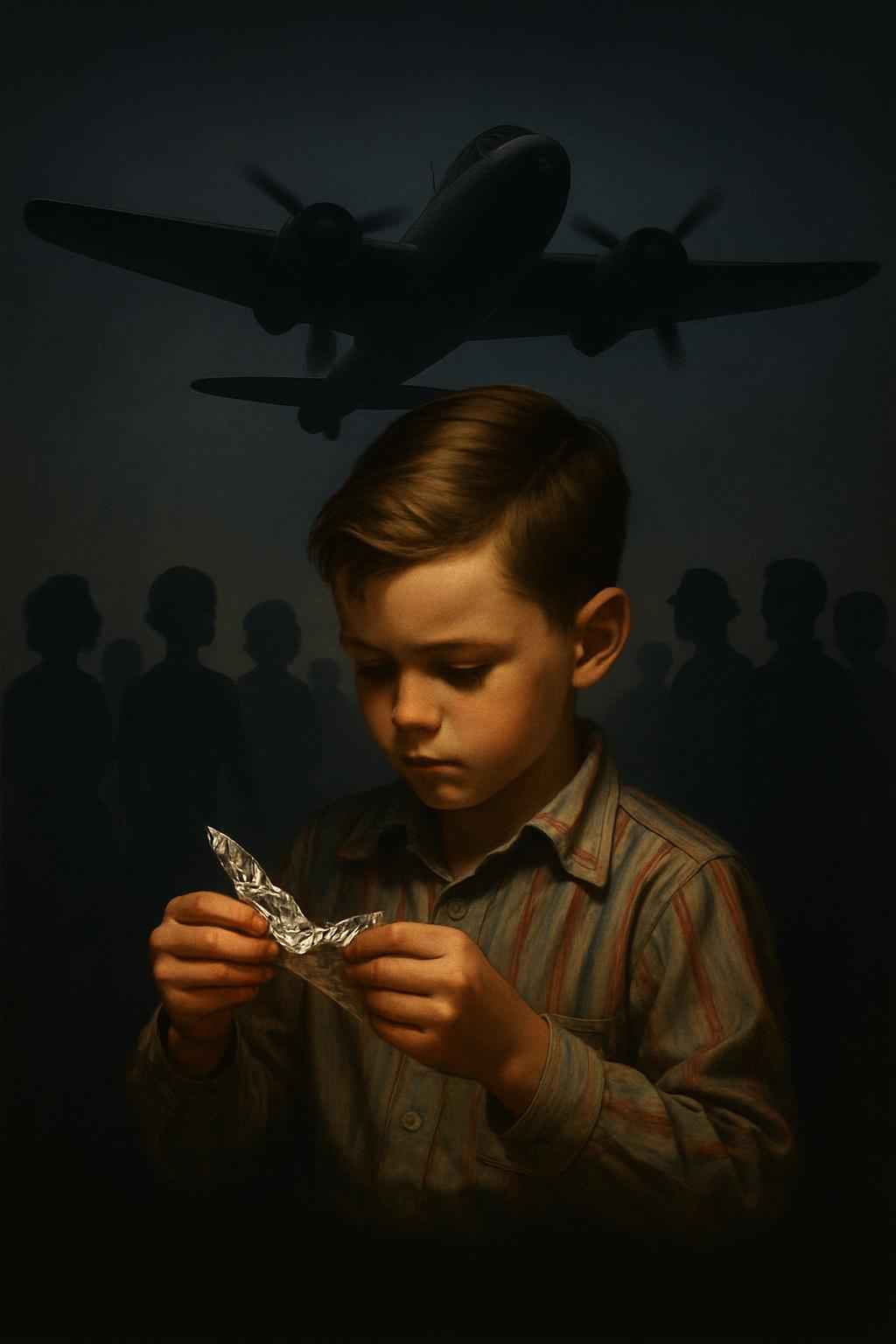
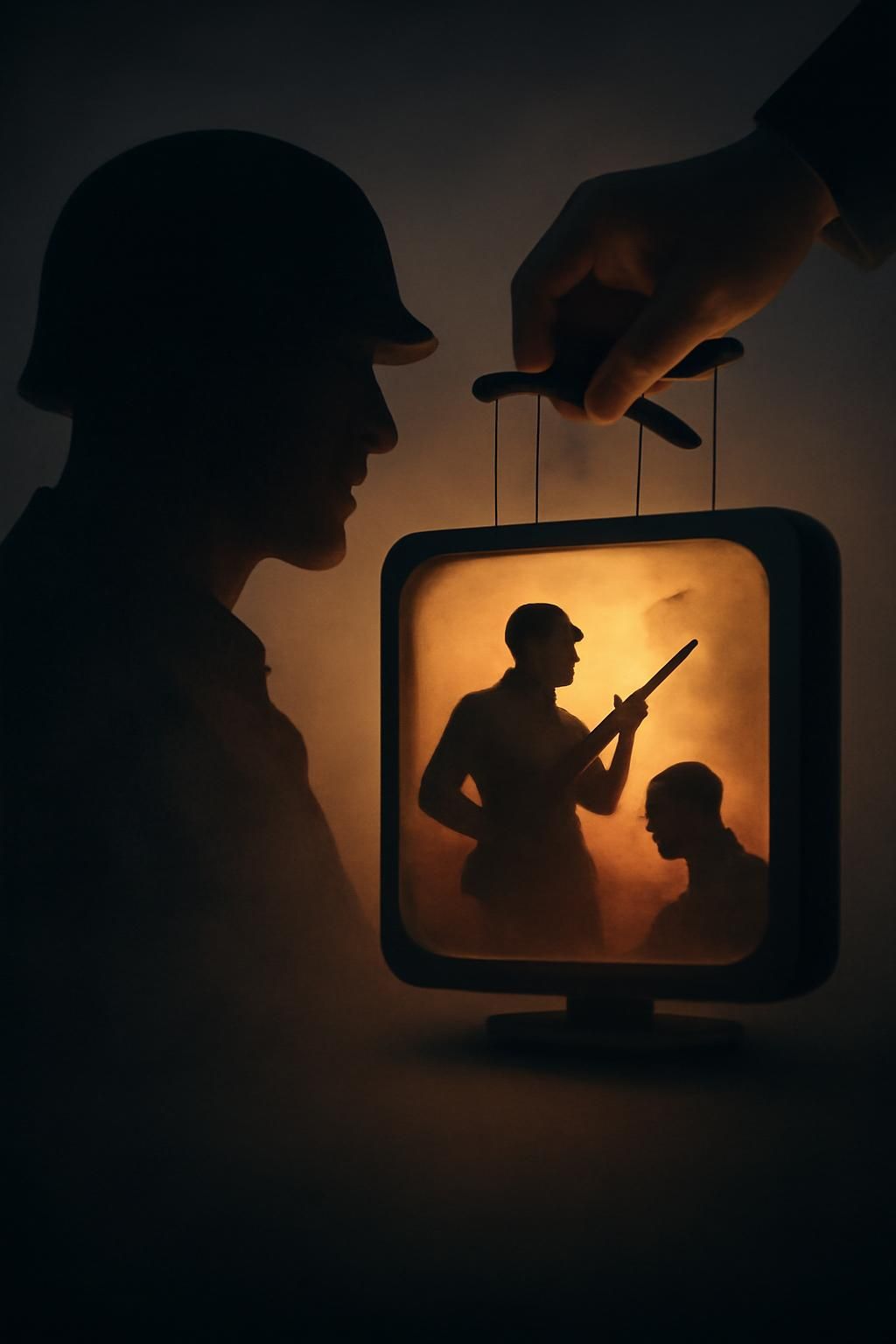
A government seeking support for a war faced a problem: the reasons for fighting could be tangled, while the public encountered the conflict in fragments—through headlines, posters, speeches, and photographs. Publicity workers made those fragments fit a repeatable account. They chose which events to highlight, gave them a moral frame, and returned to the same words and images until the frame felt familiar.
That work did not require every image to be fabricated. A real photograph could still mislead if it showed only one moment, left out what happened before it, or was paired with a caption that assigned blame. Staged scenes could make an abstract promise—courage, unity, sacrifice—look like something a viewer could see and remember. The crucial technique was often selection and framing, not outright invention.
Why Simple Messages Traveled Further
War produces uncertainty and conflicting accounts. Public communication has to compete for attention, and a short moral contrast is easier to reproduce than a long explanation of shifting alliances, military decisions, and civilian costs. Posters could be read at a glance; newsreels could give distant events a vivid, seemingly immediate form. Repetition across different media made the same interpretation harder to miss.
The result was not total control over what people believed. Audiences could doubt official accounts, and events on the ground could contradict them. But publicity helped set the terms of debate: which sacrifices seemed necessary, which actions counted as honorable, and whose suffering remained outside the frame. A war’s public story could therefore outlast the campaign that first made it persuasive.