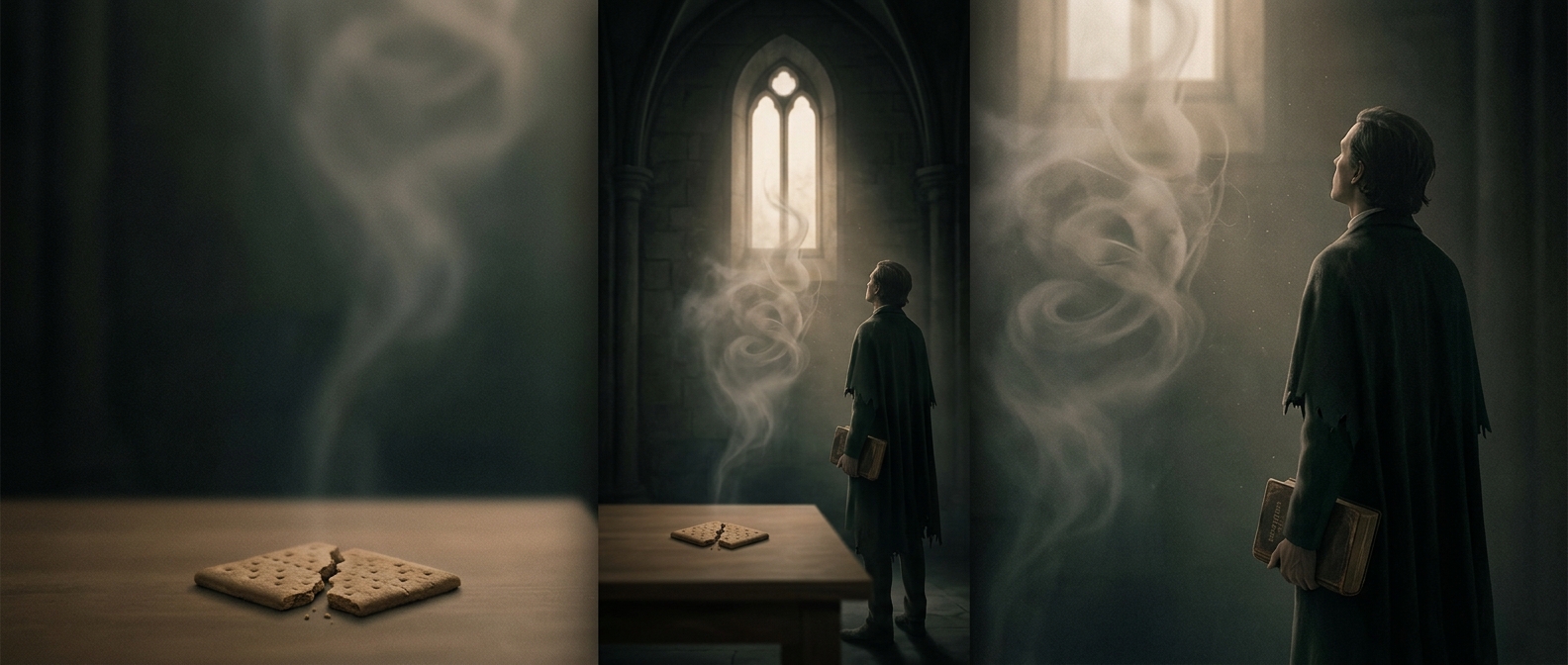
A biscuit designed for self-control
In the 1830s, Presbyterian minister Sylvester Graham urged Americans to treat diet as part of moral discipline. He argued that rich, highly seasoned foods could inflame the body and encourage sexual desire. His alternative was plain food made from whole grains, including a coarse wheat flour that came to be known as graham flour.
The biscuit associated with his ideas was meant to be simple and unsweetened—not a treat to heighten pleasure, but a staple within a restrained way of eating. Graham’s theory reflected the era’s belief that appetite and morality were closely connected; it was not a demonstrated way to control sexual desire.
From reform food to dessert ingredient
Graham crackers outlived the reform movement, but their purpose changed as commercial versions developed into familiar sweetened snacks. Their mild flavor and crisp texture made them useful beyond the diet Graham had promoted: crushed into crusts, eaten with toppings, or paired with other sweets.
That shift is especially clear in a s’more. The cracker’s sturdy, relatively plain layers hold melted chocolate and marshmallow together, making a portable sandwich out of ingredients chosen for sweetness and indulgence. A food once promoted as a curb on desire became the frame for a famously gooey dessert.