Why Gorbachev’s Pizza Hut Ad Turned Politics Into a Punchline
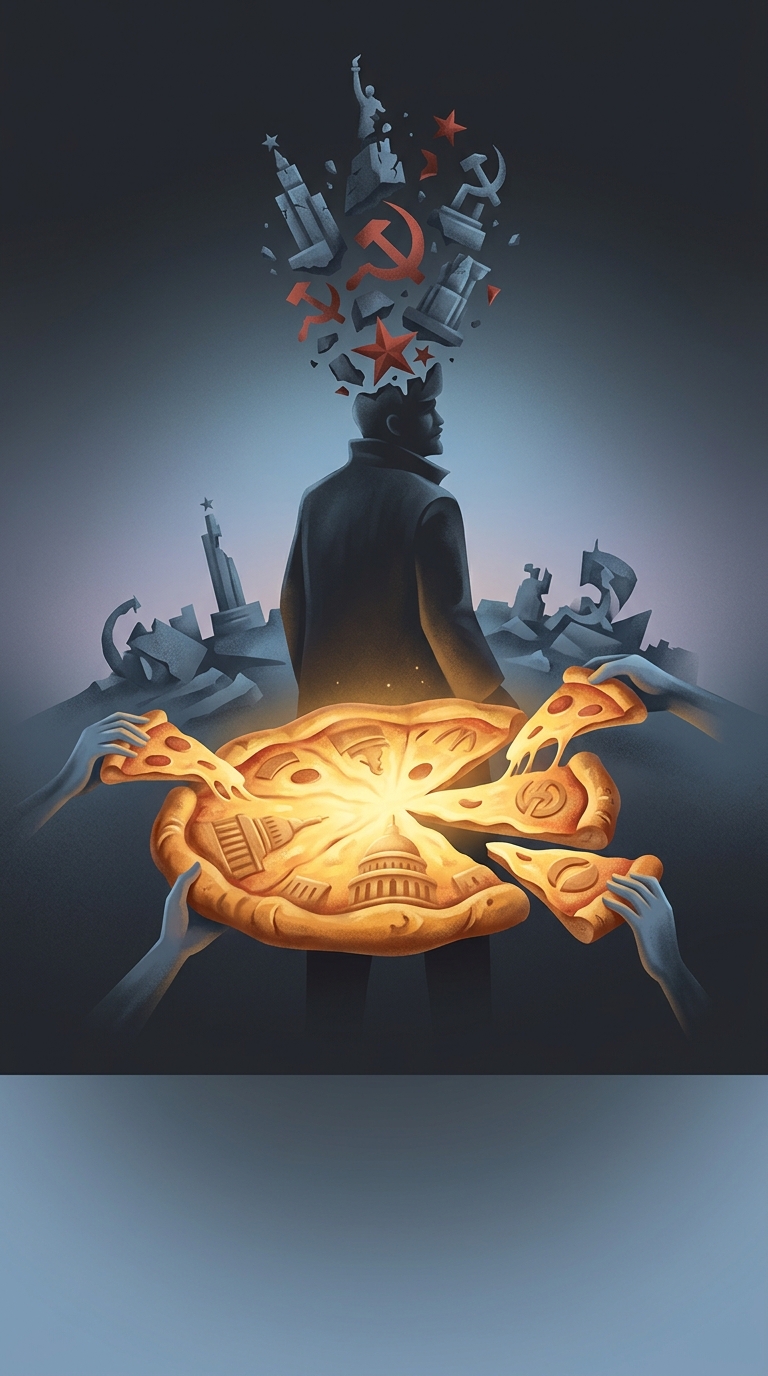
The commercial’s oddness was part of its design. Rather than simply show Mikhail Gorbachev eating pizza, it made his presence spark an argument among diners: had his leadership brought freedom, or had it brought hardship and disorder? The debate ends when someone points out that, at least, it brought Pizza Hut. The restaurant becomes a comic shorthand for a larger change in Soviet life.
That joke depended on a real transformation. Under Gorbachev, reforms loosened state control and opened space for public debate; during his final years in power, the Soviet Union broke apart. The arrival of an American fast-food chain in Moscow offered a visible, everyday sign of the new access to Western businesses and consumer goods. A pizza restaurant could stand in for a political upheaval too large to explain in a few seconds.
A Former Leader in a New Kind of Marketplace
For Gorbachev, appearing in an advertisement was also a practical choice. The reported fee was intended to support his political foundation, while the commercial placed a former head of state inside a distinctly commercial setting. He was no longer speaking as the leader of a superpower; he was lending his recognizable face to a company selling a product that had once represented a very different economic world.
The ad’s humor did not settle the argument over his legacy. Instead, it let opposing judgments sit side by side, then delivered a punchline that reduced the historic shift to something diners could recognize. That is why the image stuck: the man associated with the Soviet Union’s end was selling a meal made possible by the world that followed it.