A closer look
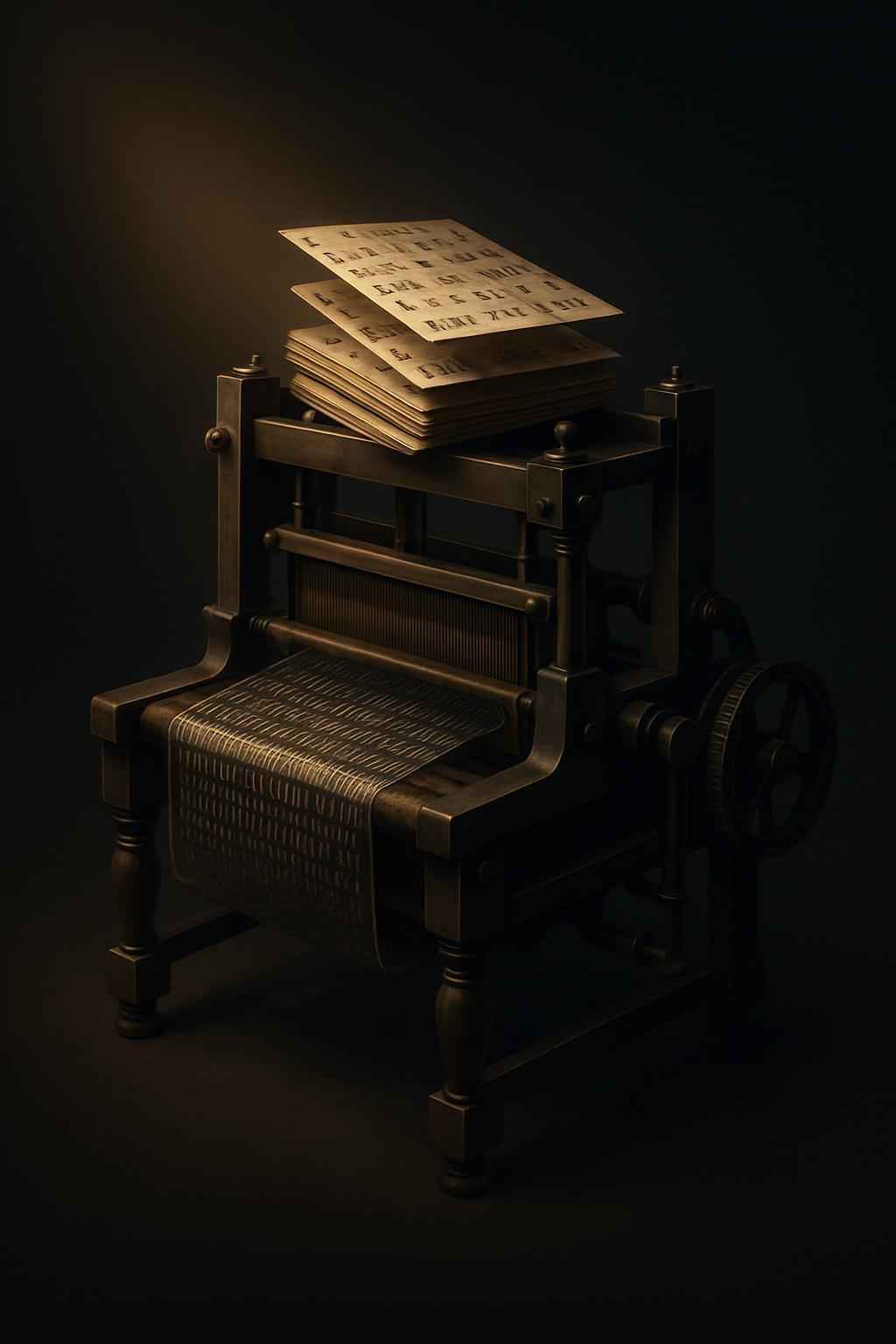
In 1830, a Belgian weaver named Joseph Jacquard invented a way to control looms using punched cards. Factory owners scoffed—it looked too fragile, too mechanical for serious weaving. Yet that humble set of holes in cardboard became the great-great-grandparent of modern computing. Charles Babbage saw Jacquard’s design and thought, 'What if numbers were threads?' Nearly two centuries later, we click, code, and store digital futures built on the same logic: commands encoded as instructions—even binary still echoes that first loom. Every algorithm we run is, in a sense, the ghost of textile ambition turned electric. History hides its revolutions in quiet gears and patient needles.