A closer look
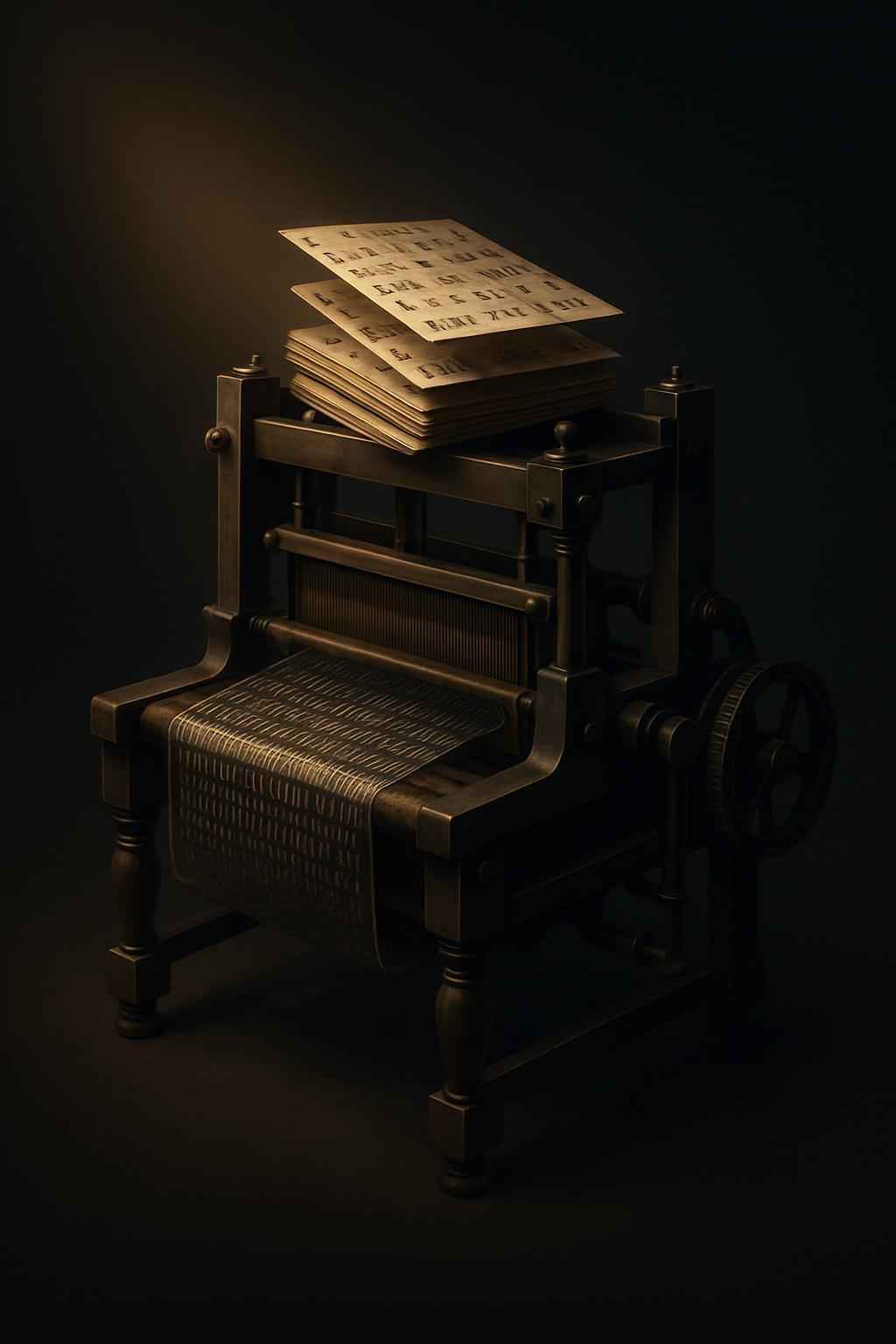
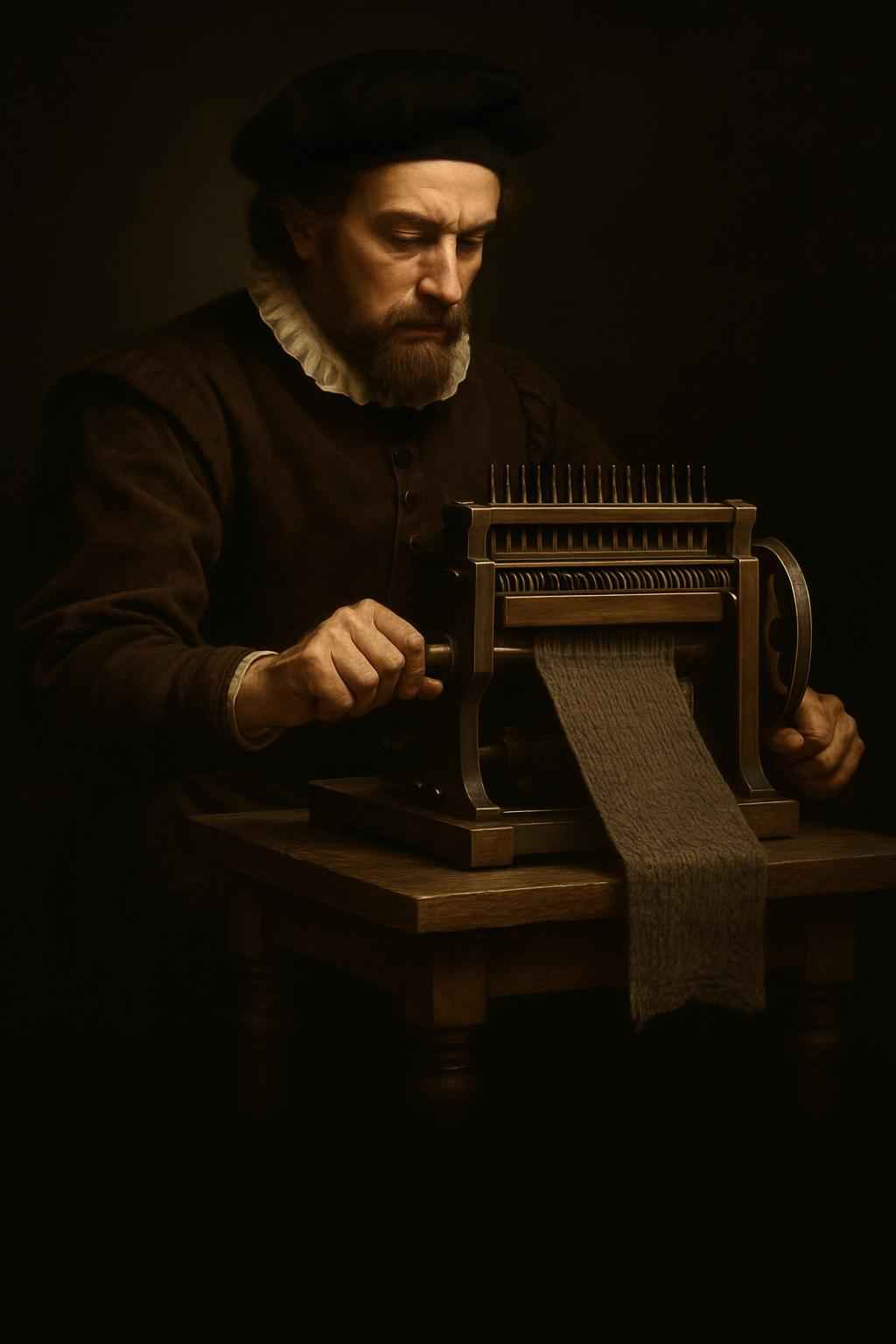
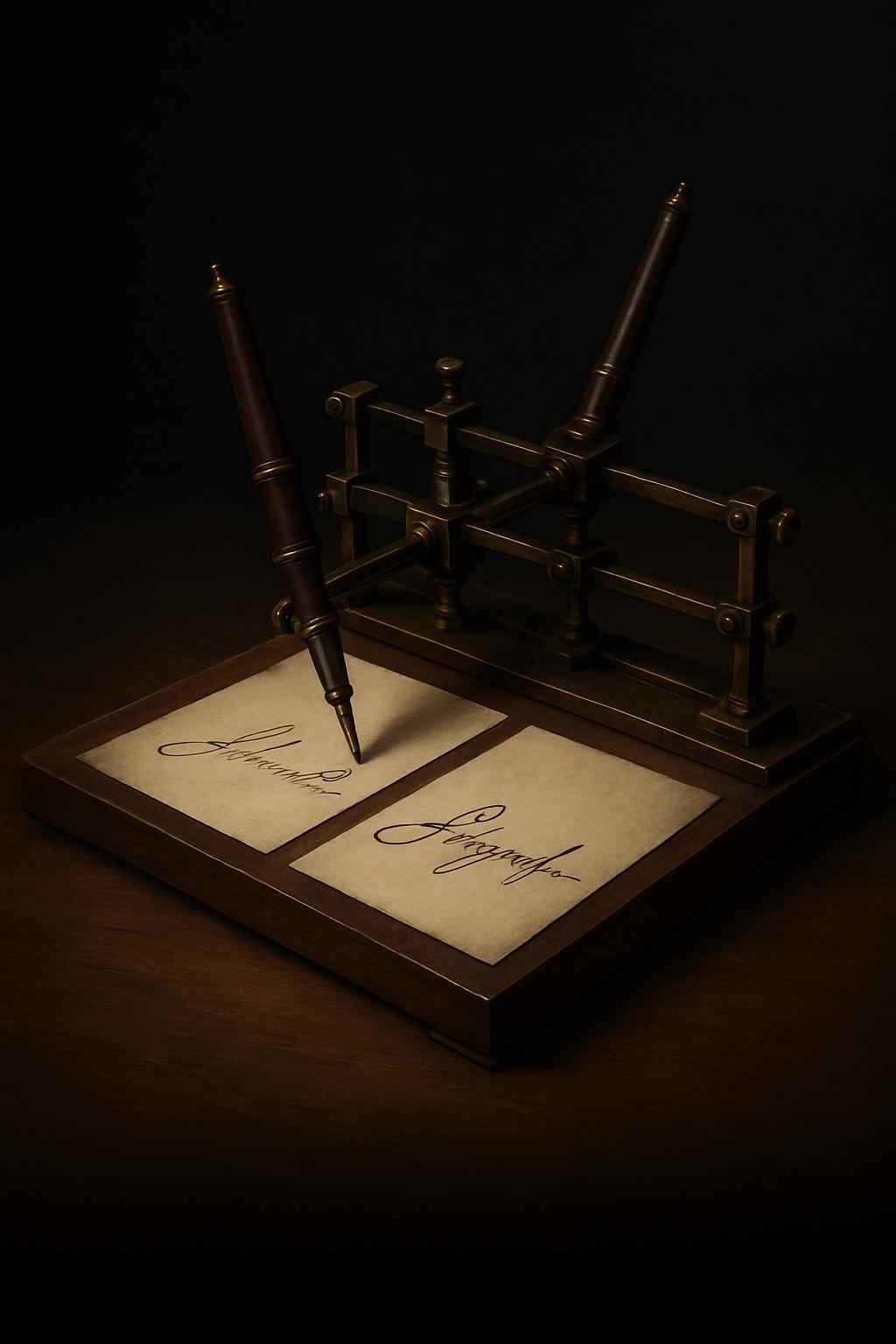
In 1795, the Paris police seized a curious device: a machine that could duplicate signatures almost perfectly. Its inventor, a forgotten clockmaker named Jean Senebier, called it a 'polygraph'. Long before photocopiers, it let one hand replicate another’s writing in real time with twin pens. U.S. presidents later used a refined version to copy letters instantly. Why did history bury it? Because every bureau that adopted the tool suddenly faced a crisis — officials could no longer prove what was 'original'. Bureaucracy needed scarcity to stay legitimate, so the device faded. A relic whispering that the copy’s power has always threatened the gatekeepers of truth.