A closer look
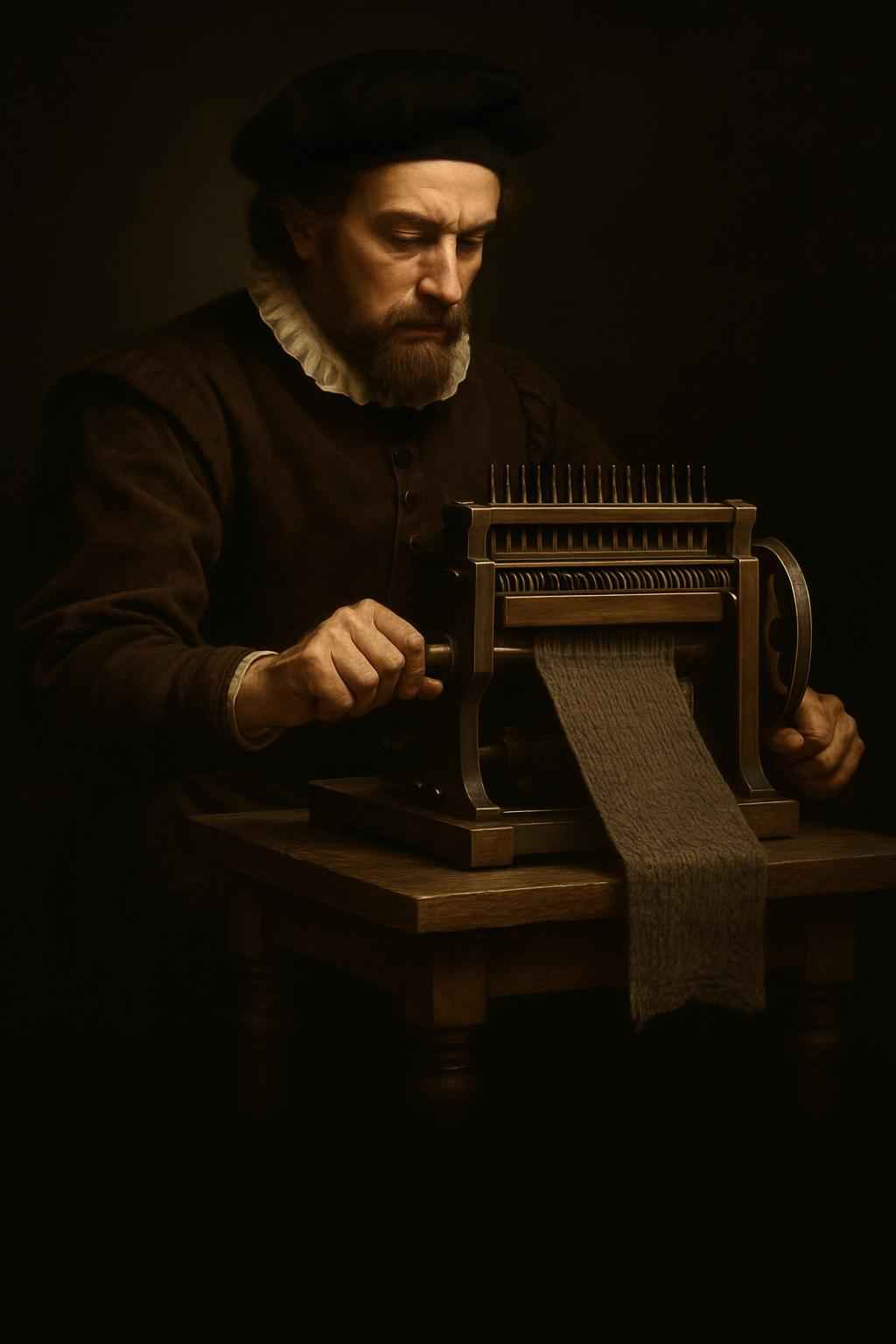
In 1589, an Englishman named William Lee invented the knitting machine — a device promising to clothe the poor faster than hands ever could. Queen Elizabeth I refused to patent it, saying, “It would undo my poor subjects.” She feared an automation revolt centuries before Silicon Valley’s rise. Lee’s machine faded; hand-knitters survived a while longer. But his story prefigures our modern dilemma: every leap forward threatens someone’s livelihood. History’s hidden rhythm? Innovation first thrills elites, then panics the masses, then finally morphs into a new normal no one remembers living without. Next time you scroll past a story about robots taking jobs, remember Lee’s clacking needles. We’ve been arguing about technology and dignity since the Tudor age — and the pattern still knits on.